

An Overflowing Sink Is Usually a System Failure, Not a Surface Clog
Nathanael Jolteus • February 5, 2026

When water starts rising out of a sink instead of draining away, the instinct is to grab a plunger or assume it’s a simple clog.


That assumption often makes things worse.


A sink overflowing emergency usually means wastewater cannot move through the drain system properly. In South Florida homes, this frequently signals a blocked main drain, failing pipe, or sewer restriction, especially when water backs up quickly or looks dirty.


This guide explains what to do immediately, why sink overflows escalate fast, and when this becomes a same-hour plumbing emergency.


FIRST: Stop Running Water Immediately

Do this right away.

  • turn the faucet OFF

  • stop using all other sinks, toilets, showers, and appliances

  • do not “test” nearby drains

Every fixture you use adds pressure to the blockage.


Why Sinks Overflow Suddenly

Overflowing sinks are a symptom, not the cause.

1. Main Drain Line Restriction

This is the most common cause.

Restrictions come from:

  • grease and food buildup

  • soap and debris accumulation

  • partial pipe collapse

  • internal corrosion in older pipes

When the drain can’t move water forward, it comes back up.


2. Sewer Line Pressure Backup

If the sewer line is stressed:

  • pressure builds in the system

  • air and water reverse direction

  • sinks become release points

This often happens before toilets or tubs overflow.


3. Collapsing Cast Iron Pipes (Very Common in South Florida)

Older cast iron drains:

  • rust internally

  • narrow over time

  • trap waste and debris

Sink overflows are frequently the first visible warning of cast iron failure.


4. Multiple Fixtures Draining at Once

If the sink overflows when:

  • a dishwasher drains

  • a washing machine empties

  • another sink runs

…the system is overloaded and failing to vent or drain correctly.


🚫 What NOT to Do When a Sink Overflows

❌ Do NOT keep running water

❌ Do NOT plunge aggressively

❌ Do NOT pour chemical drain cleaners

❌ Do NOT ignore dirty or foul-smelling water

❌ Do NOT assume it’s just food or hair


These actions often trigger wider backups or sewage overflows.


Health Risks of Overflowing Sink Water

If the water is:

  • gray

  • cloudy

  • foul-smelling

…it likely contains wastewater contaminants.

Avoid:

  • skin contact

  • food prep in the area

  • letting water spread to cabinets or floors

Why This Escalates Faster in South Florida

South Florida plumbing systems are more vulnerable because:

  • slab foundations trap backup water

  • humidity accelerates bacterial growth

  • older neighborhoods have aging drains

  • heavy rain stresses sewer systems

What starts as a sink issue often spreads to other fixtures quickly.


Hidden Damage Sink Overflows Cause

Even brief overflows can lead to:

  • water under cabinets

  • moisture behind walls

  • mold growth near kitchens or bathrooms

  • flooring damage spreading into adjacent rooms

  • repeat backups within days

The visible water is only part of the problem.


When This Is a SAME-HOUR Emergency

Call an emergency plumber immediately if:

  • water rises quickly

  • water smells like sewage

  • multiple sinks or drains act up

  • toilets gurgle or bubble

  • backups repeat

  • the home has older plumbing

These are pre-sewer-backup warning signs.


How Emergency Plumbers Handle Sink Overflow Emergencies

At Leading Plumbing Services, emergency response includes:

  • stopping active overflows

  • clearing main drain or sewer restrictions

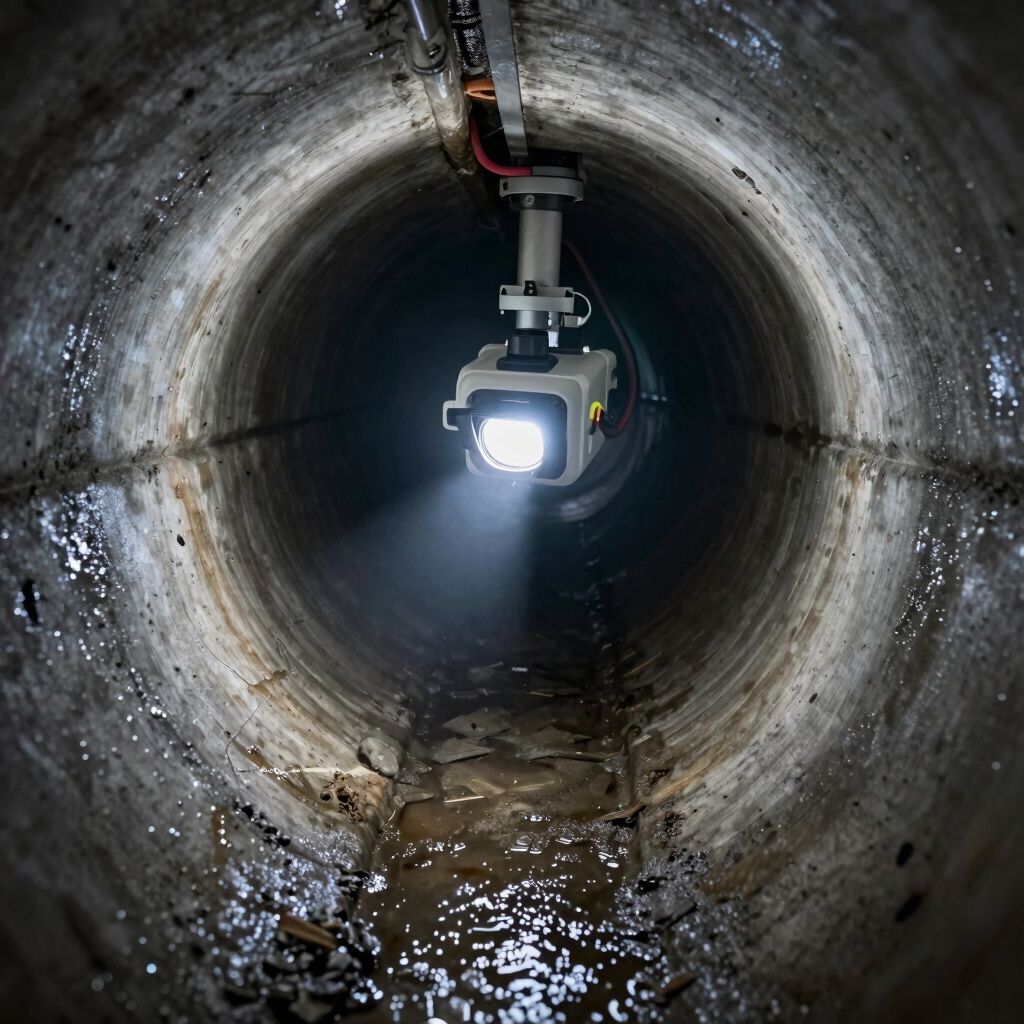
  • camera inspection to locate failures

  • identifying cast iron or root issues

  • restoring proper drainage

  • preventing repeat overflows

We fix the system failure, not just the sink.


Why Waiting Almost Guarantees a Bigger Backup

Homeowners who delay often face:

  • sewage backing up into sinks and tubs

  • contaminated cabinets and flooring

  • mold remediation

  • emergency sewer repairs

  • insurance complications

Clearing a drain early is simple. Cleaning up sewage is not.


South Florida Emergency Reality

In South Florida, sink overflowing emergencies are one of the most common early indicators of serious drain or sewer problems. Homes that act immediately often avoid full sewage events.


Homes that wait rarely do.


Final Emergency Guidance

If your sink is overflowing, stop using all plumbing and call a professional immediately.


This is your system warning you before wastewater spreads through the home.


Call/Text Leading Plumbing Services now for 24/7 emergency sink and main drain backup response:


561 506 6159

By Nathanael Jolteus • October 8, 2026
You expect plumbing problems to announce themselves in the bathroom. A clogged toilet. A backed-up shower. A leaking sink. But sometimes, the first warning of a damaged sewer line appears somewhere you wouldn't expect. Your living room smells like sewage. Or there's a persistent foul odor near a bedroom wall. No obvious leak. No overflowing drain. Just a smell that wasn't there before. Why Would a Sewer Problem Show Up Away From the Bathroom? Because your home's drainage system doesn't end at the bathroom door. Drain and sewer pipes can run beneath floors, through walls, and under a home's foundation. If a pipe cracks, separates, or develops a failed connection, wastewater or sewer gases may escape outside the intended drainage system. That doesn't automatically mean you have a broken sewer pipe. But it does mean the smell deserves an explanation. Three Details That Change the Diagnosis The smell gets worse after someone uses water. If an odor becomes noticeably stronger after showers, laundry, or other drainage activity that timing is worth reporting. 2. Multiple drains are behaving strangely. One slow sink could be a localized clog. Several slow drains, recurring backups, or unusual gurgling may indicate a problem farther along the drainage system. 3. The odor keeps returning. A dry drain trap, venting issue, damaged drain connection, or sewer-line problem could all be possibilities. The important thing is not to assume the source without investigating. What If the Sewer Pipe Is Actually Broken Beneath the House? That's where professional diagnosis becomes particularly valuable. Depending on the situation, a plumber may use drain cameras, testing, and other diagnostic methods to locate a suspected failure. The appropriate repair depends on the pipe's condition, location, accessibility, and extent of damage. NOT every underground sewer problem requires tearing up the entire floor. And not every damaged pipe can be repaired without excavation. The diagnosis determines the options. When Does This Become an Emergency? A sewer odor alone doesn't always mean an immediate plumbing emergency. But the situation becomes more urgent when you notice: -sewage backing up into the home. -wastewater appearing on floors around drains -multiple fixtures backing up simultaneously -suspected sewage contamination of living spaces. If sewage is entering the home, stop using affected plumbing fixtures, avoid contact with wastewater, and keep children and pets away from contaminated areas. Arrange prompt professional help. If a strong, unexplained gas-like odor is present, don't assume it's sewer gas. Leave the area and contact the appropriate gas utility or emergency services from a safe location. The Mistake That Makes Diagnosis Harder Trying to cover up the smell. Air fresheners might make the room more comfortable temporarily. They won't repair a damaged sewer connection. And repeatedly pouring drain chemicals into the plumbing isn't a substitute for identifying the problem. Instead , pay attention to where the odor appears, when it becomes stronger, and whether your drains are behaving differently. Those observations can help narrow the investigation. South Florida Sewer Line Problems? Get the Source Identified. If you're experiencing unexplained sewer odors, recurring drain backups, or signs of a damaged underground drain line, Leading Plumbing Services can help investigate the plumbing problem and determine the appropriate next steps. Call or text Leading Plumbing Services: 561 506 6159 Serving homeowners and businesses throughout South Florida. "The most important plumbing warning isn't always the one you can see. Sometimes it's the one you can't stop smelling." Author : Nathanael Jolteus
By Nathanael Jolteus • September 25, 2026
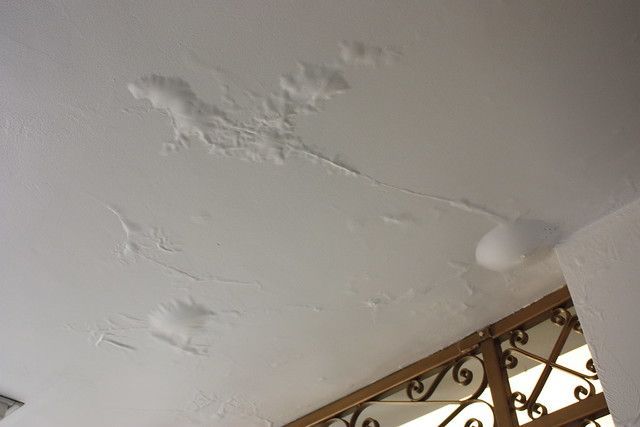
The house is quiet... No shower running. No washing machine. No faucets. But above you? You hear water. Not rain. Something closer to a hiss, trickle, or steady rush inside the attic. This is one plumbing mystery you don't want to solve by waiting for water to appear through the ceiling. First Comes the Sound A concealed water line can leak before you see a single stain downstairs. Depending on where the failure occurs, water may initially collect or travel through insulation and building materials. Then comes the next clue. A faint ceiling stain. Bubbling paint. A wet wall. Or , in a larger failure, water suddenly entering the living space. If you hear unexplained running water when the house isn't using any, investigate immediately. Then Comes the Question: Is It Actually Plumbing? Not every attic water problem is a broken pipe. Possible sources can include plumbing, HVAC-related drainage, or exterior water intrusion. Timing helps. Only happens during rain? Exterior water intrusion deserves consideration. Appears around HVAC operation? The air-conditioning system may need to be investigated. Continues during dry weather with plumbing fixtures off? A concealed plumbing leak becomes more concerning. Don't guess based on the wet spot alone. Suspect an Attic Plumbing Leak in South Florida? Leading Plumbing Services can help determine whether the problem is plumbing-related, locate the source, and repair the affected water line. Call or text Leading Plumbing Services at 561 506 6159 "If you can hear the leak before you can see it, that's an opportunity and NOT a reason to wait" Author : Nathanael Jolteus