


Leading Plumbing Services, LLC Blog
Engaging blog posts covering plumbing and drain services.
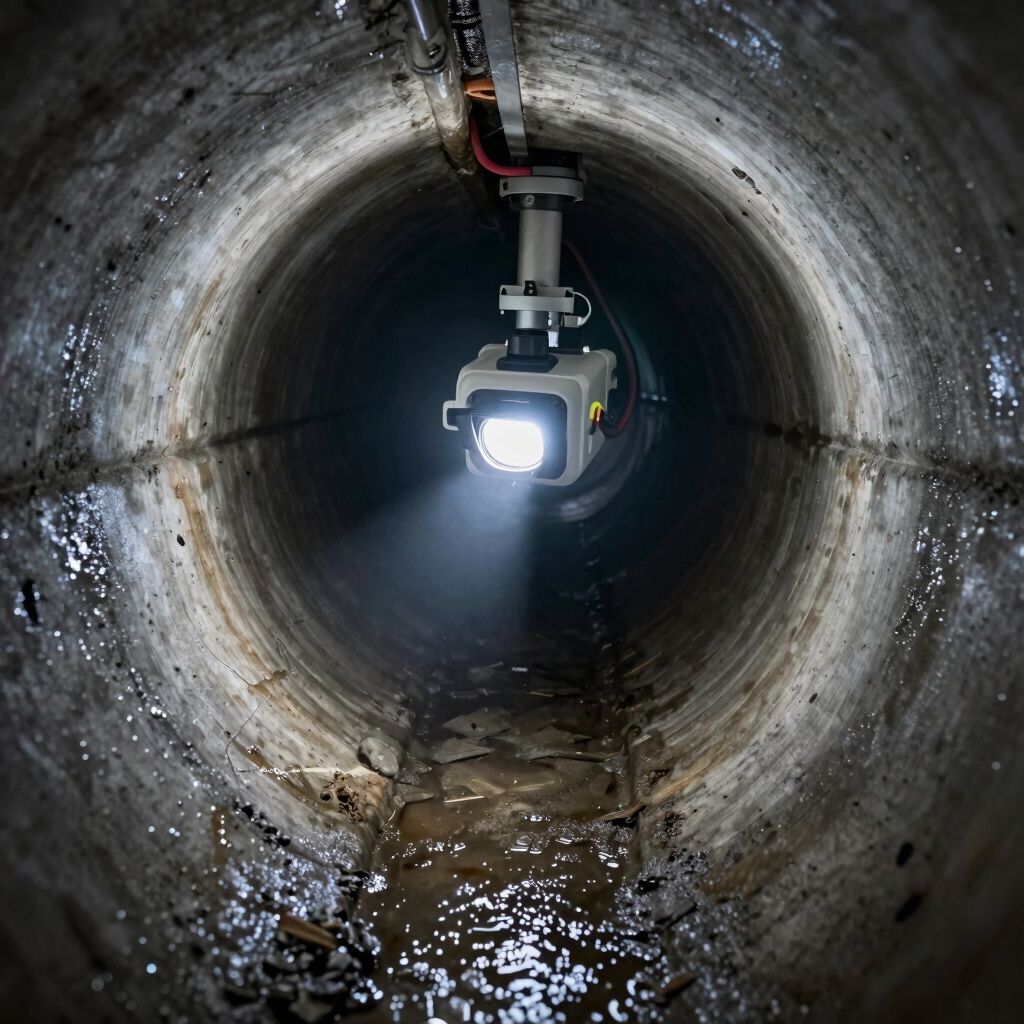
You expect plumbing problems to announce themselves in the bathroom. A clogged toilet. A backed-up shower. A leaking sink. But sometimes, the first warning of a damaged sewer line appears somewhere you wouldn't expect. Your living room smells like sewage. Or there's a persistent foul odor near a bedroom wall. No obvious leak. No overflowing drain. Just a smell that wasn't there before. Why Would a Sewer Problem Show Up Away From the Bathroom? Because your home's drainage system doesn't end at the bathroom door. Drain and sewer pipes can run beneath floors, through walls, and under a home's foundation. If a pipe cracks, separates, or develops a failed connection, wastewater or sewer gases may escape outside the intended drainage system. That doesn't automatically mean you have a broken sewer pipe. But it does mean the smell deserves an explanation. Three Details That Change the Diagnosis The smell gets worse after someone uses water. If an odor becomes noticeably stronger after showers, laundry, or other drainage activity that timing is worth reporting. 2. Multiple drains are behaving strangely. One slow sink could be a localized clog. Several slow drains, recurring backups, or unusual gurgling may indicate a problem farther along the drainage system. 3. The odor keeps returning. A dry drain trap, venting issue, damaged drain connection, or sewer-line problem could all be possibilities. The important thing is not to assume the source without investigating. What If the Sewer Pipe Is Actually Broken Beneath the House? That's where professional diagnosis becomes particularly valuable. Depending on the situation, a plumber may use drain cameras, testing, and other diagnostic methods to locate a suspected failure. The appropriate repair depends on the pipe's condition, location, accessibility, and extent of damage. NOT every underground sewer problem requires tearing up the entire floor. And not every damaged pipe can be repaired without excavation. The diagnosis determines the options. When Does This Become an Emergency? A sewer odor alone doesn't always mean an immediate plumbing emergency. But the situation becomes more urgent when you notice: -sewage backing up into the home. -wastewater appearing on floors around drains -multiple fixtures backing up simultaneously -suspected sewage contamination of living spaces. If sewage is entering the home, stop using affected plumbing fixtures, avoid contact with wastewater, and keep children and pets away from contaminated areas. Arrange prompt professional help. If a strong, unexplained gas-like odor is present, don't assume it's sewer gas. Leave the area and contact the appropriate gas utility or emergency services from a safe location. The Mistake That Makes Diagnosis Harder Trying to cover up the smell. Air fresheners might make the room more comfortable temporarily. They won't repair a damaged sewer connection. And repeatedly pouring drain chemicals into the plumbing isn't a substitute for identifying the problem. Instead , pay attention to where the odor appears, when it becomes stronger, and whether your drains are behaving differently. Those observations can help narrow the investigation. South Florida Sewer Line Problems? Get the Source Identified. If you're experiencing unexplained sewer odors, recurring drain backups, or signs of a damaged underground drain line, Leading Plumbing Services can help investigate the plumbing problem and determine the appropriate next steps. Call or text Leading Plumbing Services: 561 506 6159 Serving homeowners and businesses throughout South Florida. "The most important plumbing warning isn't always the one you can see. Sometimes it's the one you can't stop smelling." Author : Nathanael Jolteus
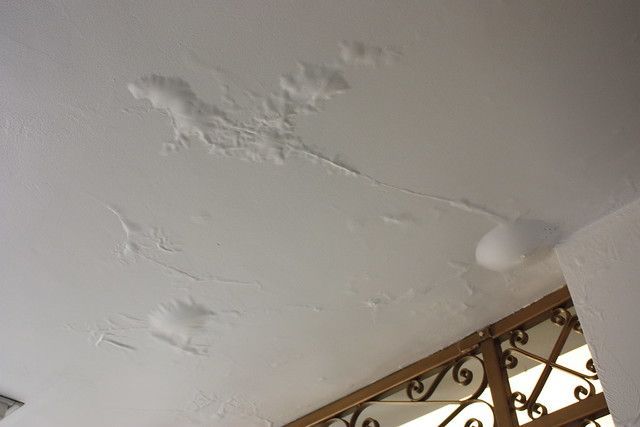
The house is quiet... No shower running. No washing machine. No faucets. But above you? You hear water. Not rain. Something closer to a hiss, trickle, or steady rush inside the attic. This is one plumbing mystery you don't want to solve by waiting for water to appear through the ceiling. First Comes the Sound A concealed water line can leak before you see a single stain downstairs. Depending on where the failure occurs, water may initially collect or travel through insulation and building materials. Then comes the next clue. A faint ceiling stain. Bubbling paint. A wet wall. Or , in a larger failure, water suddenly entering the living space. If you hear unexplained running water when the house isn't using any, investigate immediately. Then Comes the Question: Is It Actually Plumbing? Not every attic water problem is a broken pipe. Possible sources can include plumbing, HVAC-related drainage, or exterior water intrusion. Timing helps. Only happens during rain? Exterior water intrusion deserves consideration. Appears around HVAC operation? The air-conditioning system may need to be investigated. Continues during dry weather with plumbing fixtures off? A concealed plumbing leak becomes more concerning. Don't guess based on the wet spot alone. Suspect an Attic Plumbing Leak in South Florida? Leading Plumbing Services can help determine whether the problem is plumbing-related, locate the source, and repair the affected water line. Call or text Leading Plumbing Services at 561 506 6159 "If you can hear the leak before you can see it, that's an opportunity and NOT a reason to wait" Author : Nathanael Jolteus
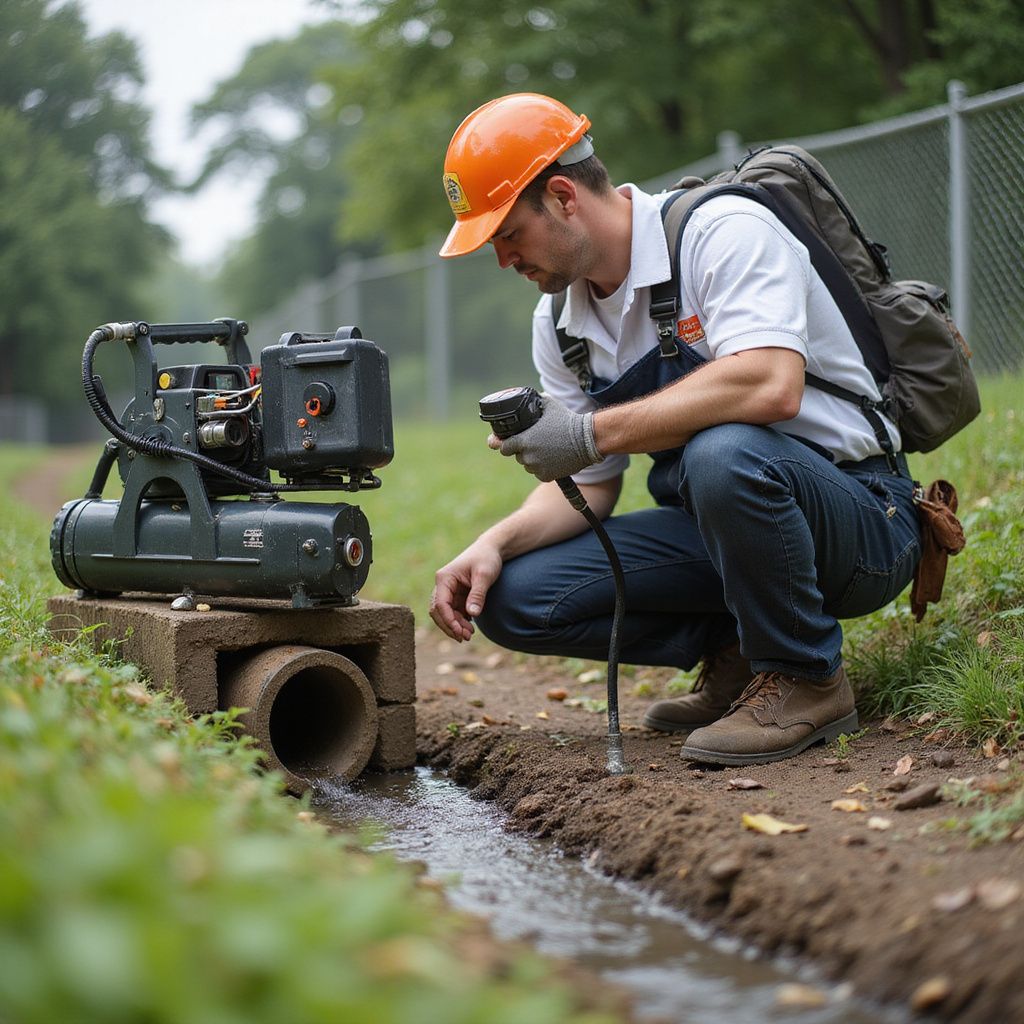
Emergency note for South Florida homeowners: You walk outside and find water pooling (or even bubbling) from the ground near your water meter. Your first instinct might be to open the meter box and start turning things. Don't start there. First, figure out what you actually know. OBSERVATION: Water is collecting near the meter. What it means: Not enough information yet. The leak could potentially involve plumbing on your property, the service connection, irrigation, or utility-owned infrastructure. Where water surfaces isn't always where it escaped. OBSERVATION: The water keeps flowing even though nobody is using anything. What it means: Take it seriously. Turn off normal water-using fixtures and appliances. If your meter continues registering significant usage, that can provide an important clue, but it still doesn't tell you precisely where the failure is. OBSERVATION: Water pressure inside the house suddenly dropped. Now the picture gets more interesting. Unexplained outdoor water plus a sudden pressure change can be consistent with a significant supply-side problem. Look for other signs: -unusually saturated soil; -water running toward the street; -erosion around the wet area; -new sinking or soft ground; or -rapidly increasing water flow. At this point, don't wait several days hoping the ground dries. BEFORE YOU TOUCH THE METER Remember an important distinction: Your home's plumbing and the water utility's infrastructure are not necessarily the same responsibility. Don't force valves, dismantle meter equipment, or attempt to repair components that may belong to the utility. If the suspected leak appears to involve utility equipment or the utility side of the service, contact your water provider. If it's determined to be on the property's plumbing side, that's where a plumber comes in. THIS MOVES FROM "LEAK" TO "EMERGENCY" WHEN... Water is actively gushing. The ground is beginning to wash away. Your home suddenly loses significant water pressure. Water is threatening the building or neighboring property. Or you cannot safely isolated a confirmed private-side leak. That's when the goal changes from : "Where exactly is this coming from?" to: "How do we safely stop additional damage?" Diagnosis follows. DON'T DIG FIRST Here's the frustrating thing about underground water: It travels. The place where water appears at the surface may not sit directly above the failed pipe. Digging immediately at the wettest spot can mean disturbing landscaping or pavement without finding the actual leak. Locate first. Repair second. Excavate only where necessary. THE 3 DETAILS WORTH REPORTING When you call for help, be specific: "The leak appears near the water meter." "Our indoor water pressure has / hasn't changed." "The meter does/doesn't show usage when everything is off." Those three observations are far more useful than: "There's water in my yard." Water Leak Near the Meter in South Florida? If the issue is determined to be on your property's plumbing side, Leading Plumbing Services can help diagnose the service-line problem and determine the appropriate repair. Call or text Leading Plumbing Services at 561 506 6159. If the leak involves utility-owned infrastructure, contact your local water provider. "The meter is where you noticed the problem. That doesn't necessarily mean it's where the problem began." Author: Nathanael Jolteus
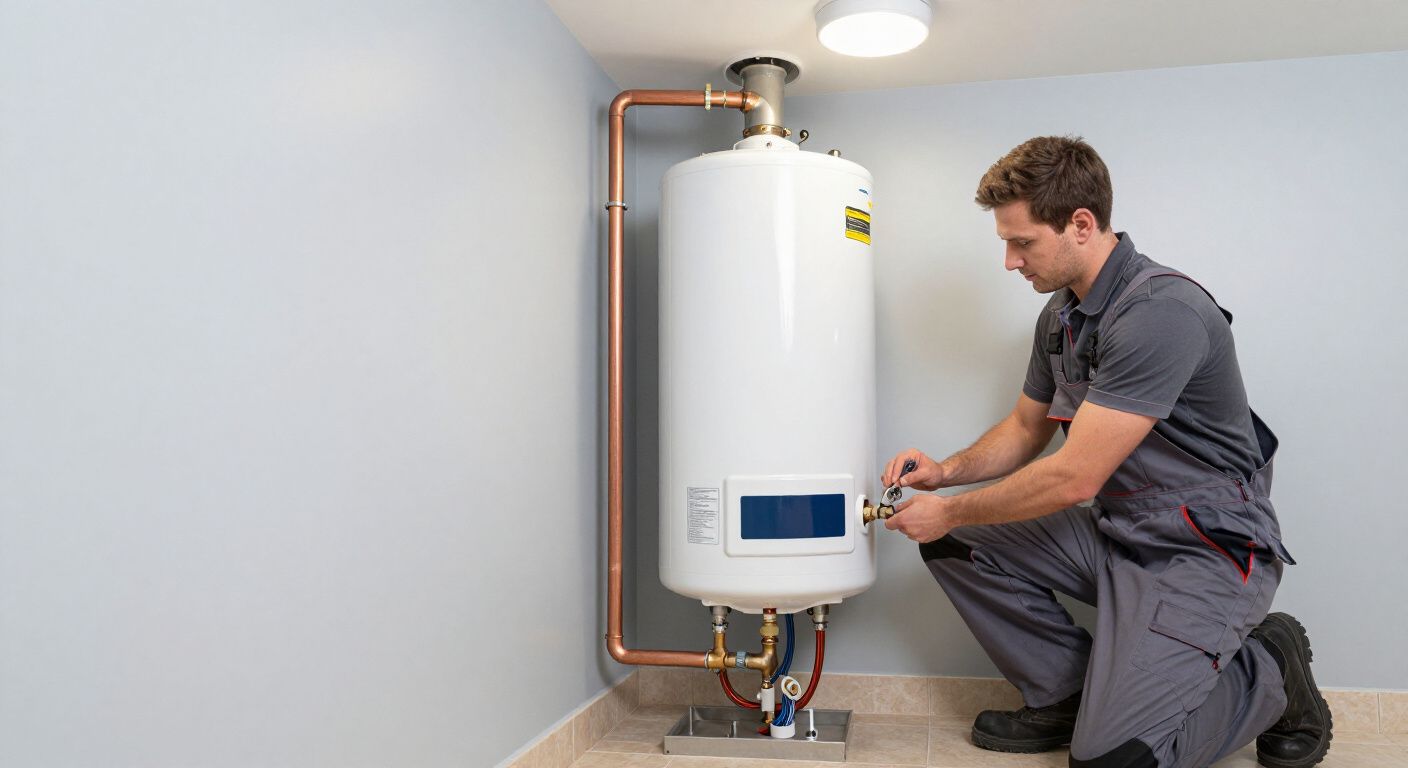
You walk into the garage. There's a puddle underneath the water heater. Diagnosis? "The water heater is leaking." Maybe. But before you start pricing a replacement, there's something worth knowing: Water underneath a water heater doesn't necessarily mean the tank itself failed. Water travels. Let's find the real suspect. Suspect #1: The Tank We'll start with the obvious one. If the tank itself has developed a leak, water may appear around its base and continue returning after you dry the area. A leaking tank can require replacement, but don't make that call based solely on where the puddle ended up. Look higher first. Suspect #2: The Connections Above It Run your eyes upward. Water from a leaking connection above the heater can travel down the side of the tank and collect underneath it. From five feet away? It looks exactly like the heater is leaking from the bottom. A plumber should trace the moisture back to its highest visible point , rather than assuming puddle identifies the failure. Suspect #3: The Relief Valve Your water heater has a temperature-and-pressure relief system designed for safety If water is coming from the relief valve or its discharge piping, don't plug, cap, or block it. The question becomes: Why is it releasing water? The valve itself may need attention, or another condition involving temperature or pressure may need investigation. Either way , disabling the safety device isn't the solution. Suspect #4: The Drain Valve Near the bottom of many tank-style heaters is a drain valve. If moisture originates there, the tank itself may not be what failed. Again: Same puddle. Different repair. Now Let's Change the Question Instead of: "Is my water heater leaking?" Ask: "Where is the highest point where I can actually see water?" That's a much more useful diagnostic question. Dry accessible surfaces if you can safely do so. Then observe where moisture reappears. Don't dismantle , tighten, or open components while trying to investigate. Just gather evidence. When the Investigation Stops There's a point where diagnosing can wait. If water is: pouring out rapidly, spreading across the room, reaching electrical equipment, or the heater is behaving unusually alongside significant leakage, focus on safety and stopping additional damage. For an electrical water heater, water around electrical components creates an additional hazard. Don't touch wet electrical equipment. If you smell gas around a gas-fired heater, leave the area and contact the gas utility or emergency services from a safe location. One More Clue: Does the Puddle Come Back? Dry floor. No puddle. Thirty minutes later? Water again. That's useful information. Recurring water means there's still a source to find, even if the leak itself is hidden or intermittent. Don't let the fact that the floor is temporarily dried convince you the problem repaired itself. Plumbing rarely develops that particular talent. The Verdict A puddle underneath a water heater could mean: Tank failure: potentially replace. Connection leak: potentially repairable. Drain-valve leak: different repair. Relief-valve discharge: requires diagnosis of the valve and system conditions. Same symptom. Very different conclusions. That's why good plumbing work starts with diagnosis not assumptions. Water Heater Leaking in South Florida? If you've discovered water around your water heater, Leading Plumbing Services can trace the actual source and determine what needs to be repaired or replaced. Call or text Leading Plumbing Services at 561 506 6159 "Don't replace a water heater because of where the puddle ended. Find where the water started." Author: Nathanael Jolteus
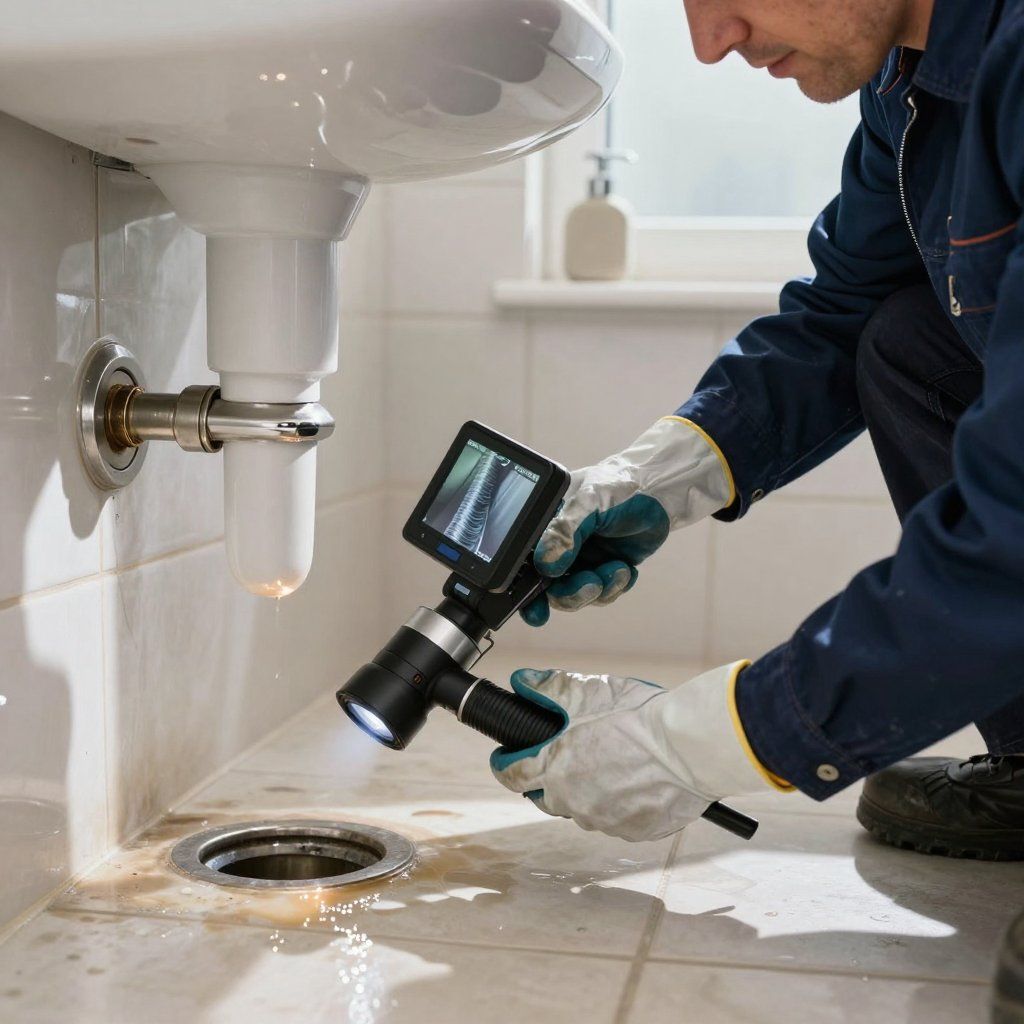
Imagine two homeowners open the cabinet beneath their sinks. Both find water. Same puddle. Same panic. But then something interesting happens. Homeowner A turns off the faucet. The dripping stops. Homeowner B turns off the faucet. The dripping continues. Those two details point toward very different plumbing problems. Puddle A: It Only Leaks When Water Goes Down the Drain Run the faucet and water appears beneath the sink. Stop using it and the leak disappears. Hmmm.... That pattern makes the drainage side worth investigating. Possible sources include: - a loose drain connection -a leaking P-trap; -a failed seal; - damaged drain piping; or -another connection underneath the sink This type of leak often gives you a simple way to limit damage: Stop using that sink until it's repaired. Puddle B: It Leaks Even When Nobody Uses the Sink This deserves more attention. The hot and cold lines supplying the faucet remain under pressure even when the faucet is off. So if water continues appearing underneath the cabinet with everything turned off, the problem may be on the water-supply side. Possible sources include a supply line, shutoff valve, faucet connection, or nearby pressurized pipe. Now "don't use the sink" may not be enough. The water is already flowing without you. Here's the 30-Second Test Dry the cabinet. Don't run the faucet. Watch. It stays dry? Now briefly use the sink. If the leak appears only while water drains, tell your plumber. Water returns without using anything? Treat the possibility of a supply=side leak more seriously. If the leak is actively worsening, isolate the fixture using its shutoff Valves if you can safely do so. If those valves don't stop the water, the home's main shutoff may be necessary. Which Puddle Is The Emergency? Neither location alone determines urgency. The behavior of the water does. Get urgent help if: - water is spraying -the leak won't stop -a shutoff valve fails; -the cabinet is rapidly flooding; -water is entering the wall or flooring; or -electrical equipment is getting wet. A small drain leak that stops completely when you stop using the sink is usually easier to contain. An uncontrolled pressurized leak is another story. One Puddle. Two Very Different Questions. Instead of telling the plumber: "My sink is leaking" Tell them: "It only leaks when the sink drains." Or: "It keeps leaking even when we aren't using anything." That's a much better starting point. Because good plumbing diagnosis isn't just about where you found the water. It's about when the water appears. Under-Sink Leak in South Florida? Leading Plumbing Services can determine whether the leak is coming from the drain, P-trap, supply line , shut off valve, faucet connection, or the surrounding plumbing. Call or text Leading Plumbing Services: 561-506-6159 Same cabinet. Same puddle. Completely different plumbing problem. Author: Nathanael Jolteus