

I Tried to Drain My Water Heater. Now the Valve Won't Stop Leaking.
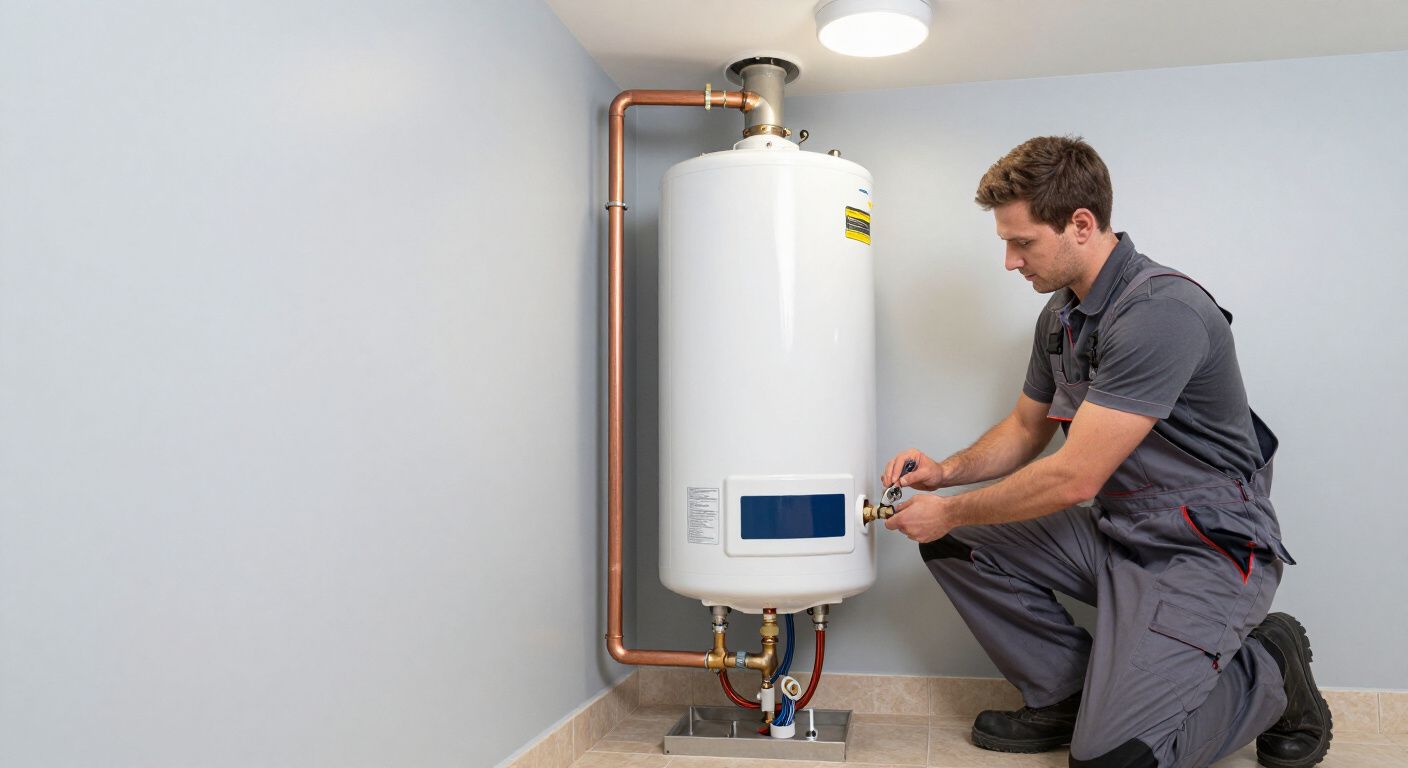
It was supposed to be a simple maintenance job.
Drain some water from the heater. Flush out sediment. Close the valve. Get on with my day.
Except the last part didn't happen.
I turned the drain valve closed, disconnected the hose, and watched water continue dripping onto the garage floor.
I tried closing it again.
Still leaking.
That's when I realized something important.
A water heater drain valve that won't close isn't just an inconvenience. It can become a flooding problem.
The Mistake I Almost Made
My first thought was to grab a wrench and tighten everything.
But forcing a damaged or aging valve can make matters worse.
The drain valve sits near the bottom of many tank-style water heaters. If its seal fails or the valve becomes damaged, water may continue escaping even after you've attempted to close it.
And because the tank holds a substantial amount of water, ignoring an active leak isn't a great plan.
What I Should Have Done First
The priority isn't figuring out how to force the valve shut.
It's controlling the water safely.
If your water heater drain valve is leaking:
- Stop operating the damaged valve. Don't repeatedly force it tighter.
- Shut off the water supply to the heater, if you can safely identify and operate its dedicated shutoff.
- Keep water away from electrical equipment. Don't touch wet electrical components.
- Contact a plumber if the leak continues or the valve cannot be safely isolated.
If water is actively escaping and you cannot isolate the heater, the home's main water shut off may be necessary.
For a significant leak, the heater may also need to be safely taken out of operation according to its manufacturer's instructions. Avoid operating an electric heater with a potentially empty tank.
Here's What Surprised Me
Closing the cold-water supply doesn't necessarily make every drip stop immediately.
Water already inside the tank may continue escaping through the damaged valve.
That's why a plumber needs to assess the valve, the remaining water, and the safest way to repair the problem.
Sometimes the drain valve can be replaced.
Other times , the heater's age, condition, or surrounding damage may affect the recommendation.
A leaking drain valve doesn't automatically mean you need an entirely new water heater.
When a Small Leak Becomes an Emergency
A slow drip into a properly positioned container is different from water rapidly spreading across your garage.
Get urgent help if water is flowing continuously, the leak is worsening, the shutoff won't work, or water is approaching electrical equipment or finished living spaces.
And don't attempt to remove a drain valve while the tank is hot or pressurized. Hot water can cause serious burns.
The Lesson
Routine maintenance is supposed to prevent problems.
But occasionally , maintenance reveals a component that was already close to failing.
If your water heater drain valve starts leaking, don't turn a manageable repair into a much larger problem by forcing it.
Control the water. Protect the surrounding area. Get the valve evaluated.
Water Heater Drain Valve Leaking in South Florida?
Leading Plumbing Services helps South Florida homeowners diagnose water heater leaks, faulty plumbing connections, and other urgent plumbing problems.
Call or text: 561 506 6159
"Sometimes the emergency isn't what broke. It's what happens when you keep trying to force it to work".