


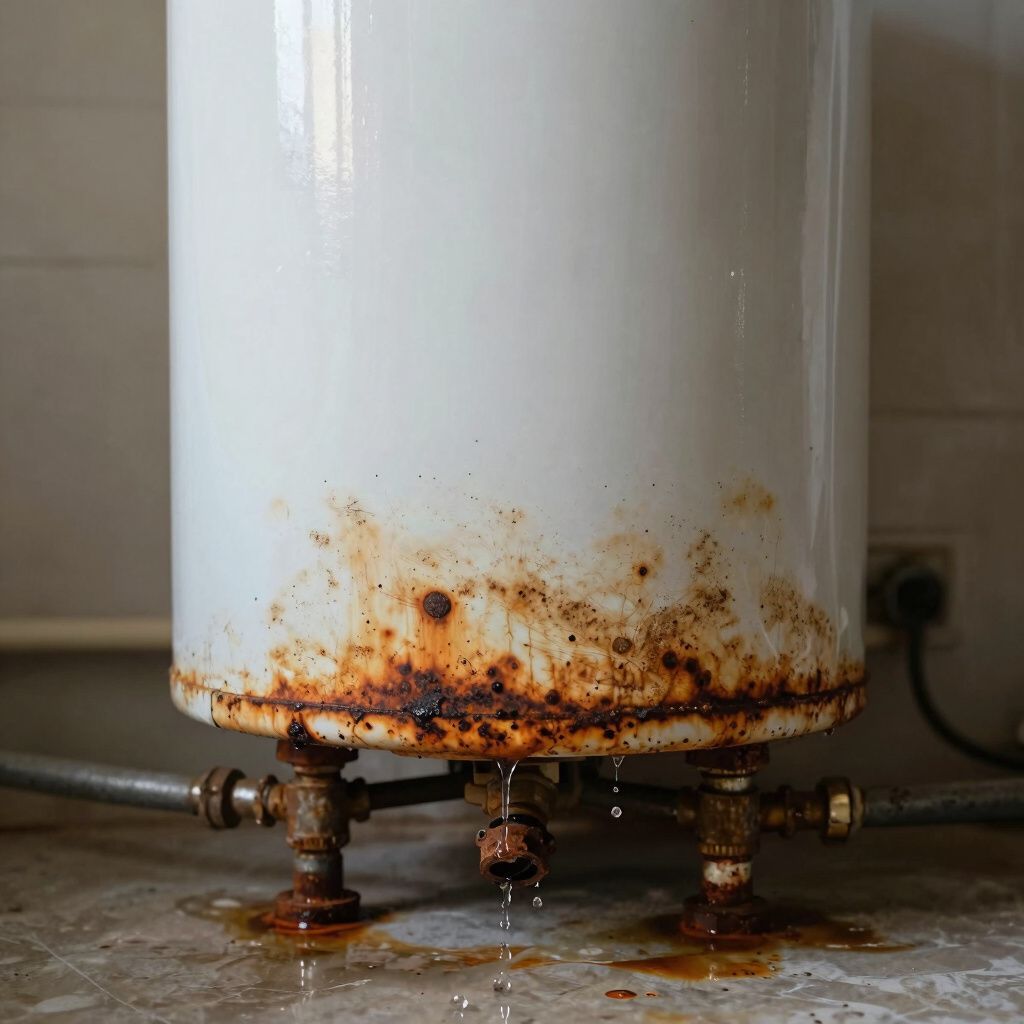
Your Outdoor Tankless Water Heater Is Dripping. Is It Just Rainwater?
Nathanael Jolteus • October 22, 2026

"It rained last night. That's probably why there's water underneath it."


Fair assumption.


In South Florida, an outdoor tankless water heater can get wet without having a plumbing problem.


But there's an important different between rainwater draining off equipment and water escaping from a plumbing connection.


And confusing the two can mean overlooking a leak.


Myth: If It Only Happens After Rain, It's Harmless

Not necessarily.


Rainwater can collect on exterior surfaces and drip after a storm.


But rain can also make an existing leak harder to recognize.


Here's a better question:


Does the dripping continue after the surrounding equipment has dried?


If it does, it's worth investigating.


Myth: Water Beneath the Heater Means the Unit Is Broken


Not always.


The source could be a supply connections, fitting, valve, or another component near the heater.


Certain tank-less systems also produce condensate  during normal operation, which should be handled through the appropriate drainage arrangement.


The location of the puddle doesn't establish which component is responsible.


Myth: A Small Leak Can Wait Indefinitely


A slow drip may seem insignificant.


But an active pressurized plumbing leak can worse, and water reaching electrical components creates additional concerns.


Look for changes in the leak's behavior.


Is it getting heavier?


Is water spraying from a connection?


Is moisture entering the building?


Has the heater started displaying an error or stopped delivering hot water?


Those details matter more than the puddle's size alone.


What Should You Do?

Start with observation, not disassembly.


If conditions are safe, look for where the water first appears.


Don't remove the heater's cover or attempt to tighten pressurized connections.


If water is actively escaping, isolate the water supply using a clearly identified shutoff if you can do so safely.


Avoid touching wet electrical equipment.


If you smell gas, leave the area and contact the gas utility or emergency services from a safe location.


A rapidly worsening leak, water entering the home, or water reaching electrical components deserves urgent attention.


The South Florida Takeaway

Outdoor plumbing equipment lives through rain, humidity, heat and storms.


That makes it especially important to distinguish normal exterior moisture from a genuine plumbing failure.


The goal isn't to assume every drip is an emergency.


It's to recognize the one that shouldn't be ignored.


Outdoor Tankless Water Heater Leaking In South Florida?


Leading Plumbing Services can help investigate water leaks involving tank-less water heater plumbing connections and determine the appropriate next steps.


Call or text: 561-506-6159


Serving homeowners and businesses throughout South Florida.


"Rainwater eventually stops. A plumbing leak may not. Know the difference."


Author: Nathanael Jolteus


By Nathanael Jolteus • October 23, 2026
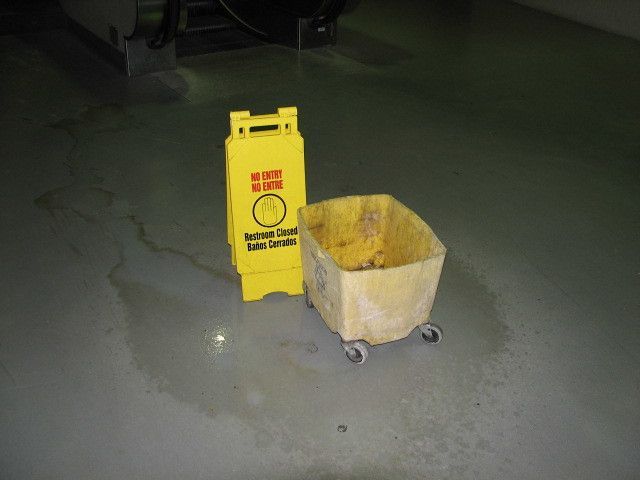
The bathtub was only half full. Nobody splashed water into the floor. The faucet worked normally. The drain seemed fine. Yet downstairs, a wet spot appeared on the ceiling. The surprising culprit? A small opening near the top of the bathtub that most homeowners rarely think about. It's called the bathtub overflow drain. And when something goes wrong behind it, an ordinary bath can turn into a hidden plumbing leak. The Hole Nobody Pays Attention To Look near the upper inside wall of your bathtub. You'll usually see a round cover or opening. That's part of the overflow assembly, designed to route excess water into the tub's drainage system. But there's something important to understand: The overflow isn't simply a hole in the tub. It's connected to plumbing behind the wall. If a gasket, deteriorates, a connection loosens, or the overflow piping becomes damaged, water entering that assembly may escape into the surrounding structure. Sometimes the first visible evidence appears in the room below. The Clue Is When the Ceiling Gets Wet Consider three different situations. Water appears while the bathtub is filling. A supply connections, faucet assembly, or another plumbing component may be involved. Water appears when the tub fills high enough to reach the overflow opening. The overflow assembly becomes an important suspect. Water appears when the bathtub drains. The drain connection or downstream piping may deserve closer investigation. These patterns aren't definitive diagnoses, but they can help a plumber narrow down the source. Why This Leak Is Easy to Miss Unlike a broken faucet, an overflow leak can remain hidden. Water may travel behind the tub, soak building materials, and eventually appear through drywall. By the time you notice staining downstairs, moisture may already be present in places you cannot see. And because the bathtub still seems functional, it's tempting to keep using it. That's the mistake to avoid. What Should You Do Right Now? If you suspect a bathtub overflow leak, stop using the tub until the source is identified. Don't deliberately fill it again to reproduce the leak , especially if water has already reached the ceiling below. Keep people away from sagging or heavily saturated drywall, and avoid wet electrical fixtures. If the leak continues even when the bathtub isn't being used, there may be a separate pressurized plumbing issue requiring more urgent attention. A plumber can inspect the overflow assembly, drain connections, and surrounding plumbing to determine what's actually failing. Does the Entire Bathtub Need Replacing? Not necessarily. Some overflow leaks involve a gasket or connection that can be repaired without replacing the bathtub. Other situations may require more extensive access or repairs, particularly if hidden water damage has occurred. The key is finding the source before deciding on the solution. Bathtub Overflow Leak in South Florida? If water is appearing beneath your bathroom, around the bathtub, or through the ceiling below, Leading Plumbing Services can help identify the plumbing problem and determine the appropriate repair. Call or text: 561 506 6159 Serving homeowners and businesses throughout South Florida. "The bathtub doesn't have to overflow for its overflow drain to leak." Author: Nathanael Jolteus
By Nathanael Jolteus • October 20, 2026
Field Note: Laundry room. South Florida home. Washing machine hasn't run in hours. There's water on the floor. The washing machine looks fine. The hoses are dry. No obvious appliance leak. But there's moisture around the drain opening behind the machine. And the homeowner has one very reasonable question: "Where is the water coming from if the washer isn't even running?" Here's what that clue can tell us. Observation 01: The Machine Is Off A washing machine typically discharges wastewater through a drain hose into a standpipe or another approved drainage connection. But that drain may connect to piping shared with other fixtures. If there's a blockage downstream, wastewater from another fixture can sometimes back up toward the laundry drain. The washer doesn't necessarily have to be running for water to appear there. Observation 02: The Problem Gets Worse When Someone Showers Now we have a useful pattern. If water rises in the laundry standpipe when another fixture drains, that suggests the issue may involve shared drainage piping. It doesn't prove exactly where the blockage is. But it changes the investigation from an appliance problem to a possible plumbing drainage problem. Observation 03: There's a Gurgling Sound Gurgling can occur when air and water are moving abnormally through drainage piping. A partial obstruction, venting problem , or other drainage issue may be involved. One sound doesn't establish a diagnosis. But combined with wastewater backing up, its worth taking seriously. Observation 04: The Water Smells Like Sewage This is where the response changes. If wastewater is backing up into your laundry room, avoid contact with it. Keep children and pets away from the affected area. Stop using plumbing fixtures that may be contributing to the backup until the problem is evaluated. Don't run another laundry cycle just to see whether it happens again. The Immediate Decision Water is actively overflowing? Stop using the washer and other affected fixtures. The water keeps returning when other drains are used? A shared drain obstruction may need professional attention. The floor is contaminated with wastewater? Avoid contact and arrange prompt plumbing service and appropriate cleanup. Water is near electrical outlets or appliances? Stay clear of electrical hazards. Don't touch wet electrical equipment. What the Plumber Needs to Determine The objective isn't simply to make the standing water disappear. It's to identify why wastewater is returning. That may involve inspecting the laundry standpipe, checking connected drainage piping, locating an obstruction, or evaluating a larger drain-line problem. The correct repair depends on what the investigation reveals. Final Field Note A washing machine drain that overflows while the washer is operating may indicate a drainage-capacity or blockage problem. But a laundry drain that backs up while the machine is completely off tells a different story. Something else may be sending water toward that opening. And that's a clue worth reporting. Laundry Room Drain Backing Up in South Florida? If wastewater is coming out of your washing machine drain, Leading Plumbing Services can help identify the source of the drainage problem and determine the appropriate repair. Call or text Leading Plumbing Services: 561 506 6159 Serving South Florida homeowners and businesses. "The most revealing clue isn't always where the water appears. Sometimes it's which appliance wasn't running when it happened." Author: Nathanael Jolteus