

5 Signs that It’s Time to Replace Your Toilet
Leading Plumbing Services • December 29, 2024
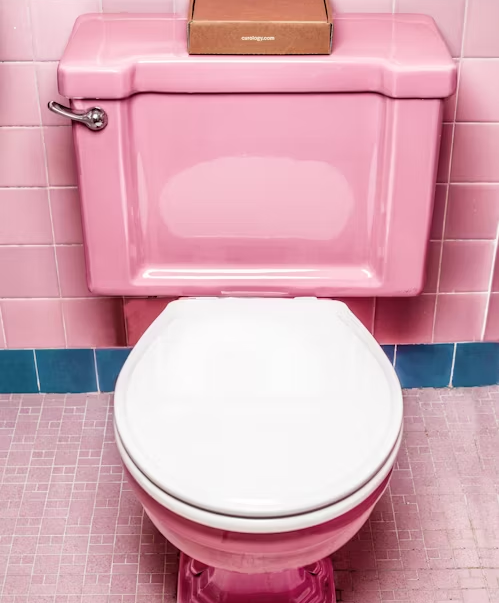
A pink toilet with a box on top of it in a bathroom.

Your toilet is one of the most frequently used fixtures in your home, and while it’s built to last for many years, it won’t last forever. Over time, wear and tear can lead to inefficiency, leaks, and other issues. Knowing the signs that it’s time to replace your toilet can save you from costly repairs and water waste. At Leading Plumbing Services, we provide expert toilet replacement in the greater West Palm Beach area. Here are five warning signs that it’s time to replace your toilet.


Frequent Clogs

If your toilet is constantly clogging, even with normal use, it may indicate an underlying issue. Older toilets often have less efficient flushing mechanisms that struggle to handle waste effectively. Frequent clogs indicate that your toilet is no longer up to modern standards, making replacement a practical solution.


Persistent Leaks

A leaking toilet can waste gallons of water daily and increase your utility bills. If you notice water pooling around the base or hear the sound of water running continuously, it’s a sign of a problem. While some leaks can be repaired, persistent or severe leaks may mean the toilet is too damaged to fix and should be replaced.


Cracks in the Porcelain

Visible cracks in the toilet bowl or tank are a clear sign that it’s time for a replacement. Even small cracks can worsen, leading to water leaks and potential damage to your bathroom floor. Inspect your toilet regularly, and if you notice any cracks, it’s likely best to replace it before the problem escalates.


Constant Running Water

A toilet that runs constantly after flushing can indicate a problem with internal components like the flapper or fill valve. While these parts can often be replaced, if the problem persists despite repairs, it may be more cost-effective to invest in a new, water-efficient toilet that eliminates the issue entirely.


Inefficient Water Usage

Older toilets typically use significantly more water per flush than modern models.. Upgrading to a low-flow toilet can save water and reduce your monthly utility costs, making it a smart and environmentally-friendly choice.


Toilet Replacement in West Palm Beach, FL

When you need a plumber in West Palm Beach and the surrounding area, contact Leading Plumbing Services at  561-506-6159. Feel free to give us a call to make an appointment for your plumbing needs!
By Nathanael Jolteus December 18, 2025
The bill looks wrong the moment you open it. Same household. Same routines. No guests. No extra usage. Yet your water bill suddenly doubled , or worse. A sudden high water bill is one of the clearest indicators of a plumbing problem that’s already active. In most cases, the extra water isn’t being used, it’s being lost somewhere you can’t see. In South Florida homes, this is one of the most common reasons homeowners discover hidden leaks. 1. Hidden Toilet Leaks (Most Common Cause) Toilets are the #1 cause of unexplained water spikes. Common issues include: leaking flappers phantom flushing silent tank-to-bowl leaks These leaks often make no noise and leave no visible water ,but they can waste thousands of gallons per month . 2. Underground or Slab Leaks Slab leaks occur beneath the concrete foundation. They cause: constant water loss pressure changes warm spots on floors higher bills without visible leaks South Florida’s older copper piping and shifting soil make slab leaks more common than people realize. 3. Irrigation System Leaks Sprinkler systems fail quietly. Look for: broken sprinkler heads cracked underground lines zones running longer than programmed soggy patches in the yard Irrigation leaks often account for the largest sudden bill increases. 4. Faucet or Fixture Drips That Add Up One dripping faucet seems minor , until it runs 24/7. Multiple small leaks: compound quickly run unnoticed overnight add hundreds of gallons per month The total impact is often underestimated. 5. Water Heater Leaks A leaking water heater doesn’t always flood. Slow leaks may: drain through a pan evaporate seep into the slab leak only when heating These leaks still register on the water meter continuously. 6. Outdoor Hose Bibs and Spigots Outdoor faucets are often overlooked. Common issues: leaking hose bibs cracked connections hoses left pressurized leaks inside the wall Because they’re outside, these leaks can go unnoticed for weeks. 7. How to Confirm a Leak Right Now Try this simple test: ✔ turn off all water inside and outside ✔ check the water meter ✔ wait 15–30 minutes ✔ check the meter again If the meter moves → you have an active leak. 8. Why Sudden Bill Spikes Matter Ignoring a sudden spike can lead to: worsening leaks structural damage mold growth higher repair costs insurance complications Early detection saves thousands. 9. What NOT to Do ❌ Don’t assume the city made a mistake ❌ Don’t ignore one high bill ❌ Don’t wait for visible water damage ❌ Don’t guess which fixture is leaking Bills spike for a reason. 10. When to Call a Plumber Immediately Call a professional if: the meter moves when water is off the bill jumped significantly no usage habits changed pressure seems different warm floor spots appear toilets refill randomly These point to hidden leaks , not billing errors. 11. What We Do (Professional Leak Detection) At Leading Plumbing Services , we: perform whole-home leak detection inspect toilets and fixtures test irrigation systems locate slab and underground leaks check water heater integrity verify meter movement stop water loss at the source We don’t guess , we find it. 12. Prevention Tips To avoid surprise water bills: ✔ monitor monthly usage ✔ address small leaks immediately ✔ service irrigation systems regularly ✔ listen for phantom toilet refills ✔ schedule periodic plumbing inspections Awareness is the best defense. South Florida Homeowner Reality In South Florida, a sudden high water bill almost always traces back to a hidden leak, not increased usage. The sooner it’s found, the less damage it causes. Final Thoughts If your water bill jumped unexpectedly, your plumbing system is already leaking somewhere. Catching it early can prevent costly damage and stop thousands of gallons from being wasted . Call/Text us today for professional leak detection: (561) 506-6159
By Nathanael Jolteus December 18, 2025
Most plumbing problems don’t announce themselves with a flood. They start with a sound , subtle, irregular, easy to ignore. A gurgling noise from your shower drain is one of those warnings. It’s not random, and it’s not air “just moving through the pipes.” That sound means your drainage system is struggling to balance air and water , and in South Florida homes, it often appears before slow drains, odors, or backups. 1. What Gurgling Actually Is Your plumbing system needs air to drain properly. When water flows: air should move freely through vent pipes pressure stays balanced wastewater exits smoothly Gurgling happens when air gets trapped and is forced back through the drain instead of venting properly. 2. Partial Drain Blockage (Most Common Cause) A gurgling shower drain often means there’s a partial obstruction downstream. Common culprits include: hair and soap buildup biofilm inside pipes grease migration from kitchens mineral scale narrowing the line Water still drains, but airflow is restricted. 3. Vent Pipe Restrictions If your plumbing vent is blocked or restricted: air can’t escape upward pressure pulls air through fixtures instead drains gurgle during use Vent issues can be caused by debris, buildup, or improper venting, and they’re more common than people realize. 4. Why the Shower Gurgles When Other Fixtures Run If your shower gurgles when: the toilet flushes the washing machine drains another sink empties …it points to a shared drain or branch line issue , not a problem isolated to the shower. That’s an early system-level warning. 5. Cast Iron Drain Pipes (South Florida Factor) Many South Florida homes still have cast iron drains. Over time, cast iron: corrodes internally flakes and scales traps debris restricts airflow This creates the perfect conditions for gurgling sounds. 6. Gurgling vs Normal Pipe Noise Normal sounds: brief ticking light expansion noises Problem sounds: bubbling gurgling sucking noises repeated air movement If it happens consistently, it’s not normal. 7. Why Ignoring Gurgling Is Risky Gurgling is often the first stage of a bigger problem. If ignored, it can progress to: slow drains recurring clogs sewage odors water backing up into the tub full sewer backups Early action prevents emergencies. 8. DIY Checks You Can Safely Do You can: ✔ note when the gurgling occurs ✔ check if multiple drains are affected ✔ observe drainage speed ✔ listen after flushing nearby fixtures If the pattern repeats, the issue isn’t random. 9. What NOT to Do ❌ Don’t pour chemical cleaners down the drain ❌ Don’t ignore recurring sounds ❌ Don’t assume it’s “just air” ❌ Don’t wait for a backup to confirm By the time water backs up, the problem is already advanced. 10. When to Call a Plumber Call a professional if: gurgling happens daily multiple fixtures make noise slow drainage develops sewer smells appear backups have occurred before the home has older plumbing These indicate restricted airflow or drainage. 11. What We Do (Professional Diagnosis) At Leading Plumbing Services , we: inspect shower and branch drains clear hair and biofilm buildup check venting and airflow camera-inspect drain lines identify cast iron deterioration restore proper drainage balance We address the cause, not just the sound. 12. Long-Term Prevention To prevent gurgling drains: ✔ address slow drains early ✔ schedule periodic professional drain cleaning ✔ avoid flushing non-drain-safe materials ✔ inspect older drain systems ✔ correct venting issues Prevention keeps drains quiet and reliable. South Florida Homeowner Reality In South Florida, a shower drain gurgling is often the earliest warning of a developing drain or sewer issue. Homeowners who act at this stage usually avoid the worst damage. Final Thoughts If your shower drain is gurgling , your plumbing system is asking for attention, quietly. Fixing the airflow or blockage now can prevent slow drains, odors, and backups later. Call/Text us today for drain and vent inspection: (561) 506-6159