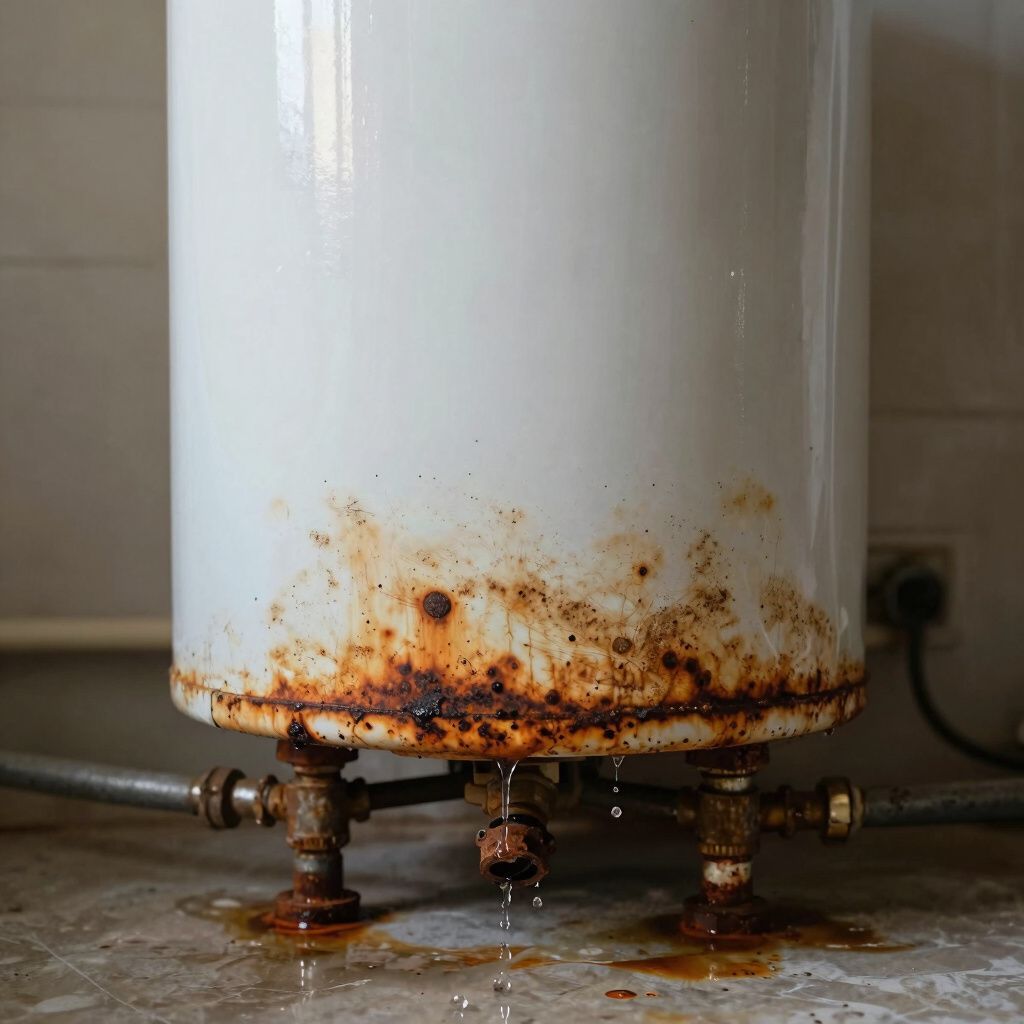


A Toilet Leaking at the Base Is Not a Simple Plumbing Leak
Nathanael Jolteus • January 30, 2026

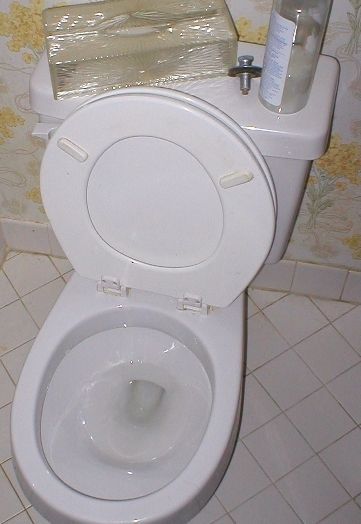
Water pooling around the base of a toilet often looks minor at first ,a little moisture, a damp floor, maybe an occasional odor. Many homeowners wipe it up and move on.


That’s a mistake.


A toilet leaking at the base emergency usually means the seal between the toilet and the sewer line has failed.


When that happens, wastewater can escape under the toilet and soak directly into flooring, subfloors, and even the slab , often without obvious flooding.


This guide explains what to do immediately, why toilet base leaks are dangerous, and when this becomes a same-hour plumbing emergency.


FIRST: Stop Using the Toilet Immediately

This is critical.

  • do not flush

  • keep weight off the toilet

  • stop using nearby fixtures if odors or gurgling occur

Every flush pushes wastewater past a failed seal.


Why Toilets Leak at the Base

Base leaks almost always indicate a failure below the fixture.

1. Failed Wax Ring or Seal

The wax ring creates a gas- and water-tight seal.

It can fail due to:

  • age and compression

  • improper installation

  • toilet movement or rocking

  • floor settling

Once compromised, sewage leaks under the toilet, not into the bowl.


2. Loose or Broken Toilet Bolts

If the toilet isn’t secured:

  • movement breaks the seal

  • leaks worsen over time

  • cracks can form in the toilet base

Rocking toilets are an emergency warning sign.


3. Cracked Toilet Base (Porcelain Failure)

Hairline cracks can:

  • leak intermittently

  • worsen under weight or pressure

  • allow sewage to seep directly into flooring

These failures require replacement, not repair.


4. Drain Flange or Pipe Damage (Common in Older South Florida Homes)

Older systems may have:

  • corroded cast iron flanges

  • cracked drain connections

  • uneven flange height from flooring changes

This causes repeated seal failures and leaks.


🚫 What NOT to Do When Water Appears Around the Toilet


❌ Do NOT keep flushing

❌ Do NOT caulk around the base

❌ Do NOT tighten bolts aggressively

❌ Do NOT ignore sewage odors

❌ Do NOT assume it’s condensation


Sealing the outside traps contamination underneath.


Health Risks of Toilet Base Leaks

Leaks at the base may release:

  • raw sewage

  • bacteria and pathogens

  • sewer gas

Contamination can spread:

  • under tile or vinyl

  • into grout lines

  • beneath baseboards

Bathrooms are high-risk environments for rapid bacterial growth.


Why This Escalates Faster in South Florida

South Florida homes are especially vulnerable because:

  • slab foundations absorb contamination

  • humidity accelerates mold growth

  • older cast iron flanges are common

  • bathrooms are often centrally located

A small base leak here can become widespread damage quickly.


Hidden Damage Toilet Base Leaks Cause

Even without visible flooding, base leaks can lead to:

  • rotting subfloors

  • loose or sinking toilets

  • mold under flooring

  • structural weakening around the drain

  • repeated sewage odors

By the time flooring feels soft, damage is already advanced.


When This Is a SAME-HOUR Emergency

Call an emergency plumber immediately if:

  • water appears after flushing

  • sewage odors are present

  • the toilet rocks or shifts

  • flooring feels spongy

  • leaks repeat after wiping

  • the home has older plumbing

These indicate active sewer exposure, not a minor leak.


How Emergency Plumbers Handle Toilet Base Emergencies

At Leading Plumbing Services, emergency response includes:

  • stopping active sewage leakage

  • removing the toilet safely

  • inspecting the flange and drain

  • replacing seals or damaged components

  • correcting height or alignment issues

  • ensuring a sanitary, leak-free reset

We restore containment and sanitation, not just stop moisture.


Why Waiting Turns a Simple Fix Into Structural Repair

Homeowners who delay often face:

  • floor replacement

  • mold remediation

  • drain flange repairs

  • toilet replacement

  • insurance complications

Replacing a seal early is simple. Rebuilding floors is not.


South Florida Emergency Reality

In South Florida, toilet base leak emergencies are one of the most common sources of hidden sewage damage , especially in homes with older drains or recent flooring changes.


The water you see is only part of the problem.


The contamination you don’t see is the real risk.


Final Emergency Guidance


If water or sewage is seeping from the base of your toilet, stop using it immediately and call a professional. Toilet base leaks expose your home to contamination , and they never fix themselves.


Call/Text Leading Plumbing Services now for 24/7 emergency toilet base and sewer seal repair:


(561) 506 6159

By Nathanael Jolteus • October 23, 2026
The bathtub was only half full. Nobody splashed water into the floor. The faucet worked normally. The drain seemed fine. Yet downstairs, a wet spot appeared on the ceiling. The surprising culprit? A small opening near the top of the bathtub that most homeowners rarely think about. It's called the bathtub overflow drain. And when something goes wrong behind it, an ordinary bath can turn into a hidden plumbing leak. The Hole Nobody Pays Attention To Look near the upper inside wall of your bathtub. You'll usually see a round cover or opening. That's part of the overflow assembly, designed to route excess water into the tub's drainage system. But there's something important to understand: The overflow isn't simply a hole in the tub. It's connected to plumbing behind the wall. If a gasket, deteriorates, a connection loosens, or the overflow piping becomes damaged, water entering that assembly may escape into the surrounding structure. Sometimes the first visible evidence appears in the room below. The Clue Is When the Ceiling Gets Wet Consider three different situations. Water appears while the bathtub is filling. A supply connections, faucet assembly, or another plumbing component may be involved. Water appears when the tub fills high enough to reach the overflow opening. The overflow assembly becomes an important suspect. Water appears when the bathtub drains. The drain connection or downstream piping may deserve closer investigation. These patterns aren't definitive diagnoses, but they can help a plumber narrow down the source. Why This Leak Is Easy to Miss Unlike a broken faucet, an overflow leak can remain hidden. Water may travel behind the tub, soak building materials, and eventually appear through drywall. By the time you notice staining downstairs, moisture may already be present in places you cannot see. And because the bathtub still seems functional, it's tempting to keep using it. That's the mistake to avoid. What Should You Do Right Now? If you suspect a bathtub overflow leak, stop using the tub until the source is identified. Don't deliberately fill it again to reproduce the leak , especially if water has already reached the ceiling below. Keep people away from sagging or heavily saturated drywall, and avoid wet electrical fixtures. If the leak continues even when the bathtub isn't being used, there may be a separate pressurized plumbing issue requiring more urgent attention. A plumber can inspect the overflow assembly, drain connections, and surrounding plumbing to determine what's actually failing. Does the Entire Bathtub Need Replacing? Not necessarily. Some overflow leaks involve a gasket or connection that can be repaired without replacing the bathtub. Other situations may require more extensive access or repairs, particularly if hidden water damage has occurred. The key is finding the source before deciding on the solution. Bathtub Overflow Leak in South Florida? If water is appearing beneath your bathroom, around the bathtub, or through the ceiling below, Leading Plumbing Services can help identify the plumbing problem and determine the appropriate repair. Call or text: 561 506 6159 Serving homeowners and businesses throughout South Florida. "The bathtub doesn't have to overflow for its overflow drain to leak." Author: Nathanael Jolteus
By Nathanael Jolteus • October 22, 2026
"It rained last night. That's probably why there's water underneath it." Fair assumption. In South Florida, an outdoor tankless water heater can get wet without having a plumbing problem. But there's an important different between rainwater draining off equipment and water escaping from a plumbing connection. And confusing the two can mean overlooking a leak. Myth: If It Only Happens After Rain, It's Harmless Not necessarily. Rainwater can collect on exterior surfaces and drip after a storm. But rain can also make an existing leak harder to recognize. Here's a better question: Does the dripping continue after the surrounding equipment has dried? If it does, it's worth investigating. Myth: Water Beneath the Heater Means the Unit Is Broken Not always. The source could be a supply connections, fitting, valve, or another component near the heater. Certain tank-less systems also produce condensate during normal operation, which should be handled through the appropriate drainage arrangement. The location of the puddle doesn't establish which component is responsible. Myth: A Small Leak Can Wait Indefinitely A slow drip may seem insignificant. But an active pressurized plumbing leak can worse, and water reaching electrical components creates additional concerns. Look for changes in the leak's behavior. Is it getting heavier? Is water spraying from a connection? Is moisture entering the building? Has the heater started displaying an error or stopped delivering hot water? Those details matter more than the puddle's size alone. What Should You Do? Start with observation, not disassembly. If conditions are safe, look for where the water first appears. Don't remove the heater's cover or attempt to tighten pressurized connections. If water is actively escaping, isolate the water supply using a clearly identified shutoff if you can do so safely. Avoid touching wet electrical equipment. If you smell gas, leave the area and contact the gas utility or emergency services from a safe location. A rapidly worsening leak, water entering the home, or water reaching electrical components deserves urgent attention. The South Florida Takeaway Outdoor plumbing equipment lives through rain, humidity, heat and storms. That makes it especially important to distinguish normal exterior moisture from a genuine plumbing failure. The goal isn't to assume every drip is an emergency. It's to recognize the one that shouldn't be ignored. Outdoor Tankless Water Heater Leaking In South Florida? Leading Plumbing Services can help investigate water leaks involving tank-less water heater plumbing connections and determine the appropriate next steps. Call or text: 561-506-6159 Serving homeowners and businesses throughout South Florida. "Rainwater eventually stops. A plumbing leak may not. Know the difference." Author: Nathanael Jolteus