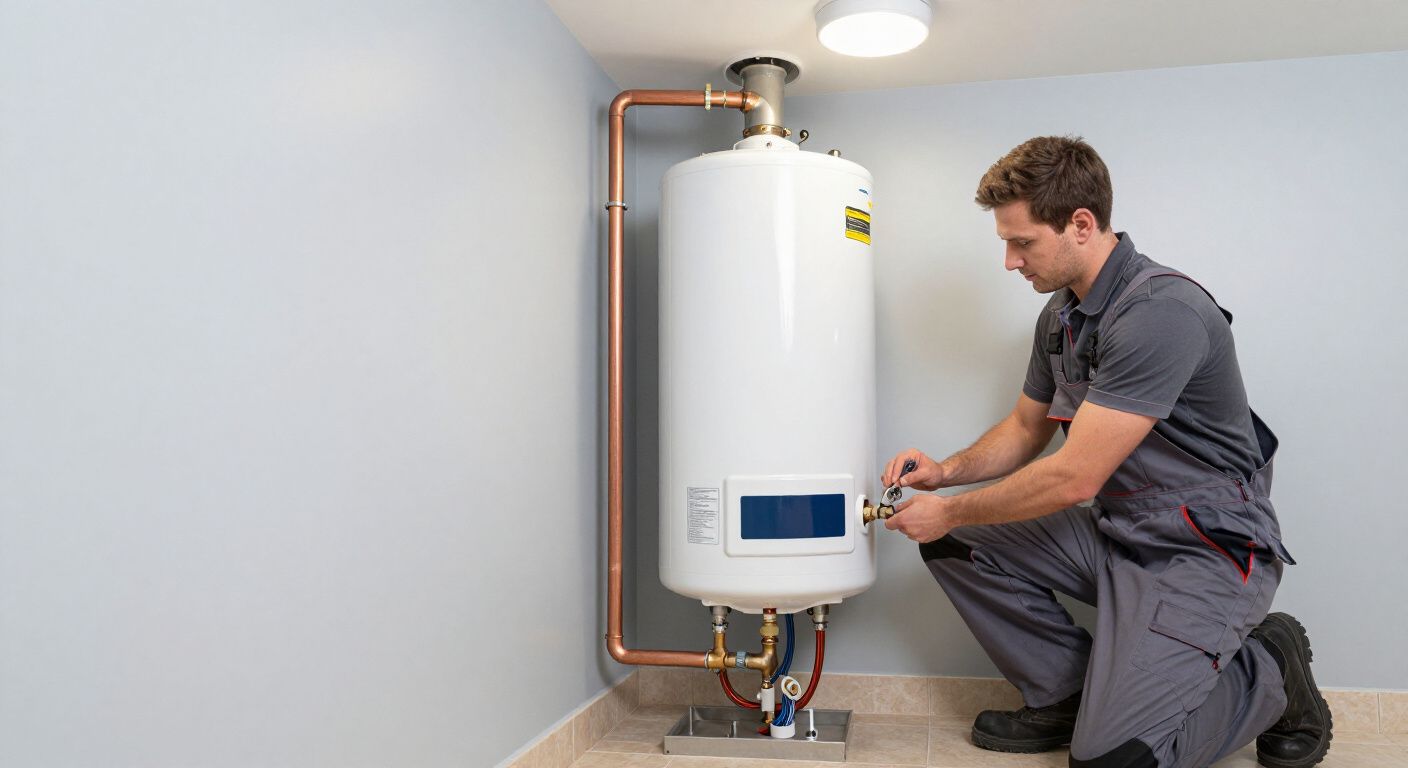


Hot Water Smells Bad? Here’s What’s Causing the Odor and How to Fix It Safely
If your hot water smells bad, whether it’s a rotten egg odor, metallic smell, or musty scent, that’s a clear sign something is happening inside your plumbing system or water heater.
In South Florida, this problem is extremely common due to mineral-heavy water, high humidity, and aging water heaters that develop sediment and bacterial growth faster than homeowners expect.
Let’s break down the real causes and what you should do next.
1. Rotten Egg Smell = Bacteria in the Water Heater
The most common bad smell from hot water is a sulfur or rotten egg odor.
This usually comes from:
- bacteria reacting with the anode rod
- sediment buildup inside the tank
- stagnant hot water sitting too long
Heating the water releases the odor more strongly than cold water.
2. If Cold Water Smells Fine but Hot Water Smells Bad
This detail matters.
If only hot water smells, the problem is almost always:
- inside the water heater
- not the city water supply
- not your pipes
This points directly to a water heater issue.
3. Metallic or Rusty Smell
A metallic smell often means:
- internal tank corrosion
- rust forming inside the heater
- deteriorating anode rod
- aging tank lining
This is common in heaters over 8 years old.
4. Musty or Earthy Smell
Musty smells can come from:
- bacterial growth in the tank
- sediment holding moisture
- biofilm forming inside hot water lines
In South Florida’s humidity, bacteria multiply quickly.
5. Why This Happens Faster in South Florida
Our climate accelerates odor problems because:
- minerals settle faster
- tanks stay warm year-round
- humidity encourages bacterial growth
- heaters run more frequently
Many Florida homeowners experience hot water odor years earlier than expected.
6. Is Smelly Hot Water Dangerous?
Usually not immediately, but it shouldn’t be ignored.
Bad odors can indicate:
- bacterial growth
- decaying metal components
- deteriorating water heater lining
If water looks cloudy, brown, or oily → stop using it and call a professional.
7. DIY Steps That May Help (Short-Term)
You can try:
✔ running hot water for several minutes
✔ flushing a small amount from the tank
✔ cleaning faucet aerators
✔ checking water heater age
If the smell returns quickly, the issue is deeper.
8. Why Bleach or Chemicals Are a Bad Idea
Pouring chemicals into a water heater can:
- damage internal components
- void warranties
- corrode valves
- create unsafe conditions
Odor problems require proper service , not guesswork.
9. When the Anode Rod Is the Culprit
The anode rod protects your tank from rust.
When it:
- breaks down
- reacts with minerals
- becomes coated in bacteria
…it creates strong odors.
Replacing the anode rod often eliminates smells entirely.
10. When Replacement Is the Better Option
You may need a new heater if:
- tank is 10+ years old
- odor persists after flushing
- water heater leaks
- rust is visible
- hot water runs out quickly
- popping or rumbling noises occur
At that point, repairs are often temporary.
11. What We Do (Professional Fix)
At Leading Plumbing Services, we:
- inspect water heater condition
- flush sediment properly
- sanitize tank if needed
- replace failing anode rods
- test water quality
- inspect hot water lines
- recommend repair vs replacement honestly
We eliminate the odor at the source.
12. How to Prevent Future Odors
✔ flush water heater annually
✔ replace anode rod every 3–5 years
✔ address popping noises early
✔ monitor water quality
✔ service heaters before failure
Preventive maintenance saves money and headaches.
Final Thoughts
If your hot water smells bad, your water heater is telling you something is wrong , whether it’s bacteria, sediment, or corrosion inside the tank.
Addressing it early prevents:
- worsening odors
- water quality issues
- premature heater failure
- emergency replacements
Call/Text us today for hot water odor diagnosis and repair:
(561) 506-6159