

When the Water Reaches the Rim, Seconds Matter
Nathanael Jolteus • February 18, 2026

You flush.


The water rises higher than usual.


It doesn’t stop.


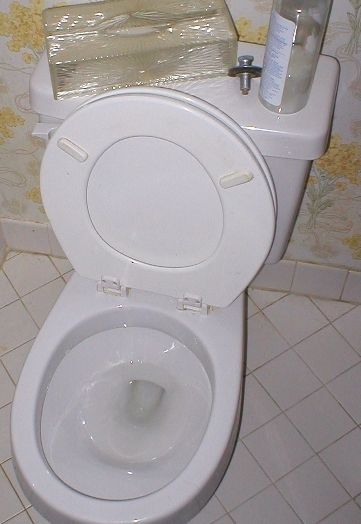
When a toilet begins to overflow onto the bathroom floor, this is not just a clog, it’s a system pressure event. A toilet overflowing emergency can involve anything from a simple blockage to a main sewer restriction.


In South Florida slab homes, where toilets often sit at one of the lowest drainage points, overflow may signal a deeper drain failure.


This guide explains what to do immediately, what causes toilet overflows, and when this becomes a same-hour plumbing emergency.


FIRST: Stop the Water Immediately

Before anything else:

  • remove the tank lid

  • push the flapper valve closed

  • turn off the shutoff valve behind the toilet

  • avoid flushing again

Stopping the refill flow prevents continued flooding.


Why Toilets Overflow

Overflow happens when water cannot exit fast enough.

1. Localized Bowl Blockage

Common causes include:

  • excess toilet paper

  • foreign objects

  • hygiene products

These typically affect only one fixture.


2. Main Drain Line Restriction

If the main drain is partially blocked:

  • flushing increases pressure

  • wastewater cannot move downstream

  • water rises back into the bowl

This often affects multiple fixtures.


3. Sewer Line Collapse or Root Intrusion

In older South Florida homes:

  • cast iron pipes corrode

  • roots infiltrate cracks

  • debris accumulates

Toilet overflow may be the first visible sign.


4. Septic System Overload (If Applicable)

If the septic tank is full:

  • wastewater has nowhere to go

  • flushing triggers immediate backup

Rainfall can worsen this condition.


🚫 What NOT to Do During a Toilet Overflow


❌ Do NOT keep flushing

❌ Do NOT use chemical drain cleaners

❌ Do NOT ignore sewage odors

❌ Do NOT attempt aggressive plunging if multiple drains are slow

❌ Do NOT delay cleanup

Overflow water may contain contaminants.


Health Risks of Toilet Overflows

If the water is:

  • discolored

  • foul-smelling

  • backing up repeatedly

…it may contain sewage.

Avoid contact and disinfect surfaces immediately.


Warning Signs It’s More Than a Simple Clog

Call immediately if:

  • multiple drains are slow

  • shower water rises when flushing

  • floor drains bubble

  • backups occur after rain

  • sewage smell is present

These indicate system-wide restriction.


Why This Escalates Faster in South Florida

South Florida homes are especially vulnerable because:

  • slab foundations conceal drain deterioration

  • aging cast iron remains common

  • high groundwater adds pressure

  • heavy rain stresses sewer systems

Here, a toilet overflow can quickly turn into a broader backup.


When This Is a SAME-HOUR Emergency

Call an emergency plumber immediately if:

  • water spills repeatedly

  • multiple fixtures are affected

  • overflow continues after shutoff

  • sewage enters the bathroom

  • the home is 20+ years old

  • previous drain issues exist

These indicate deeper drainage failure.


How Emergency Plumbers Handle Toilet Overflow Emergencies

At Leading Plumbing Services, emergency response includes:

  • isolating the blockage source

  • clearing localized or main drain obstructions

  • camera inspecting sewer lines

  • identifying pipe deterioration

  • restoring safe drainage

  • preventing repeat overflows

We resolve the underlying pressure issue — not just the bowl.


Why Waiting Makes the Next Flush Worse

Homeowners who delay often face:

  • repeat flooding

  • contaminated flooring

  • mold growth

  • emergency sewer replacement

  • costly cleanup

Addressing the blockage early prevents full-system failure.


South Florida Emergency Reality

In South Florida, toilet overflowing emergencies are one of the most common visible signs of deeper drain trouble,  especially in older slab homes.

The toilet isn’t just clogged.

It may be warning you.


Final Emergency Guidance

If your toilet is overflowing, shut off the water immediately and call a professional if the issue persists. Overflow events escalate quickly, and the next flush could be worse.


Call/Text Leading Plumbing Services now for 24/7 emergency toilet overflow and drain repair:


561 506 6159


By Nathanael Jolteus February 18, 2026
You turn on the kitchen sink, barely a stream. The shower pressure is weak. Toilets refill slowly. A sudden low water pressure emergency affecting the entire home is rarely random. When pressure drops across multiple fixtures at once, it often signals: a main water line issue a hidden leak a partially closed valve a failing pressure regulator or an underground break In South Florida homes, where aging underground lines and pressure fluctuations are common, a sudden drop in pressure is often an early warning sign. This guide explains what to check immediately and when this becomes a same-hour plumbing emergency. FIRST: Determine If It’s Isolated or System-Wide Quickly check: kitchen sink bathroom sink shower outdoor spigot If all fixtures are weak, the issue is system-wide. If only one fixture is weak, it’s likely localized. If system-wide, act promptly. Common Causes of Sudden Low Water Pressure 1. Main Water Line Leak or Break If a supply line underground cracks: water escapes before reaching the house pressure drops instantly the water meter may spin rapidly This is one of the most serious causes. 2. Failing Pressure Regulator Many South Florida homes use pressure-reducing valves (PRVs). If the regulator fails: pressure may suddenly drop flow may fluctuate appliances may behave unpredictably PRV failures are common in aging systems. 3. Partially Closed Main Valve After plumbing work or storms: the main valve may not be fully open flow becomes restricted pressure weakens throughout the house This is simple but important to verify. 4. Hidden Interior Leak If a pipe leaks inside walls or under the slab: pressure drops moisture may not be visible immediately water bills may rise Hidden leaks often reveal themselves through pressure changes first. 5. Municipal Supply Issue Occasionally: city maintenance nearby line breaks hydrant usage can temporarily reduce pressure. If neighbors are unaffected, the issue is likely internal. 🚫 What NOT to Do During Sudden Pressure Loss ❌ Do NOT ignore system-wide pressure changes ❌ Do NOT adjust heater temperature ❌ Do NOT assume it will resolve itself ❌ Do NOT continue heavy water use ❌ Do NOT delay inspection if the meter spins Pressure loss is a symptom, not the problem. Warning Signs It’s an Active Emergency Call immediately if you notice: water meter spinning with fixtures off wet spots in the yard ceiling or wall stains sudden water bill spike gurgling in pipes pressure dropping rapidly These indicate possible active leakage. Why This Escalates Faster in South Florida South Florida homes face added risk because: sandy soil allows fast underground erosion slab foundations conceal early damage older copper and galvanized lines remain common humidity slows drying of hidden leaks Here, pressure loss often precedes visible flooding. When This Is a SAME-HOUR Emergency Call an emergency plumber immediately if: pressure drops suddenly everywhere water is pooling outdoors the meter runs continuously fixtures sputter with air pressure fluctuates rapidly your home is over 20 years old These indicate supply system failure. How Emergency Plumbers Diagnose Sudden Pressure Loss At Leading Plumbing Services , emergency response includes: checking main shutoff valves evaluating pressure regulator function inspecting for hidden leaks testing the main supply line isolating affected sections restoring stable pressure safely We identify the root cause before damage spreads. Why Waiting Can Turn Low Pressure Into Structural Damage Homeowners who delay often face: slab erosion wall saturation foundation instability rising water bills emergency excavation Low pressure today can mean flooding tomorrow. South Florida Emergency Reality In South Florida, sudden low water pressure emergencies are often the first visible sign of underground supply problems , especially in older neighborhoods. When pressure changes instantly, something changed in the system. Final Emergency Guidance If water pressure drops suddenly throughout your home, don’t ignore it. Check the meter and call a professional if pressure does not return quickly. Hidden leaks and supply failures worsen by the hour. Call/Text Leading Plumbing Services now for 24/7 emergency pressure diagnosis and leak detection: 561 506 6159
By Nathanael Jolteus February 17, 2026
You walk into the garage and see water pooling near the water softener. It’s not spraying. It’s not coming from the ceiling. It’s coming from the unit. A water softener leaking emergency is often mistaken for a minor drip, but softener failures can release large volumes of water quickly, especially during regeneration cycles. In South Florida, where softeners run frequently due to mineral-heavy water, system leaks are more common than homeowners realize. This guide explains what to do immediately, what causes softener leaks, and when this becomes a same-hour plumbing emergency. FIRST: Bypass or Shut Off the Softener Immediately Most softeners have a bypass valve. switch the system to BYPASS mode if unsure, shut off the main water supply unplug the softener stop any active regeneration cycle Stopping flow prevents further flooding. Why Water Softeners Start Leaking Softener systems contain multiple internal components that can fail. 1. Cracked Resin Tank The main tank may: develop stress cracks weaken over time leak at the base seam If water seeps from the tank body, replacement is often required. 2. Brine Tank Overflow The salt tank may overflow due to: stuck float valves malfunctioning refill controls clogged brine lines Overflow can flood the surrounding area quickly. 3. Failed O-Rings or Valve Seals Internal seals degrade from: constant pressure mineral buildup age This leads to steady dripping or pooling. 4. High Water Pressure (Common in South Florida) Excess pressure stresses: softener control heads internal valves tank fittings Pressure-related failures are frequent in this region. 🚫 What NOT to Do During a Softener Leak ❌ Do NOT ignore pooling water ❌ Do NOT keep the system regenerating ❌ Do NOT assume it’s condensation ❌ Do NOT leave the system pressurized ❌ Do NOT delay if the garage floor is wet Softener leaks can release significant water volume. Hidden Damage Water Softener Leaks Cause Even slow leaks can result in: garage flooding drywall damage baseboard swelling mold growth corrosion of nearby appliances slab moisture intrusion Moisture spreads quickly in humid climates. Why This Escalates Faster in South Florida South Florida homes face added risk because: softeners regenerate frequently mineral content is high slab foundations conceal early moisture humidity slows evaporation Here, small softener leaks often become structural moisture problems. When This Is a SAME-HOUR Emergency Call an emergency plumber immediately if: water spreads rapidly across the garage the brine tank overflows pressure fluctuates in the home water continues flowing in bypass the unit is older than 8–10 years the leak started suddenly These indicate active component failure. How Emergency Plumbers Handle Softener Leak Emergencies At Leading Plumbing Services, emergency response includes: isolating the softener system diagnosing tank vs valve failure repairing damaged connections replacing cracked tanks evaluating pressure levels preventing repeat flooding We address the source of failure and protect surrounding structures. Why Waiting Makes Repairs More Expensive Homeowners who delay often face: soaked drywall mold remediation slab moisture issues replacement of adjacent appliances full system replacement under emergency conditions Early intervention prevents secondary damage. South Florida Emergency Reality In South Florida, water softener leaking emergencies are increasingly common as systems age under constant mineral stress. The puddle you see may be the beginning of a larger failure. Final Emergency Guidance If your water softener is leaking or overflowing, switch it to bypass immediately and call a professional. Softener leaks don’t fix themselves, and flooding spreads quickly. Call/Text Leading Plumbing Services now for 24/7 emergency water softener repair and flooding prevention: 561 506 6159