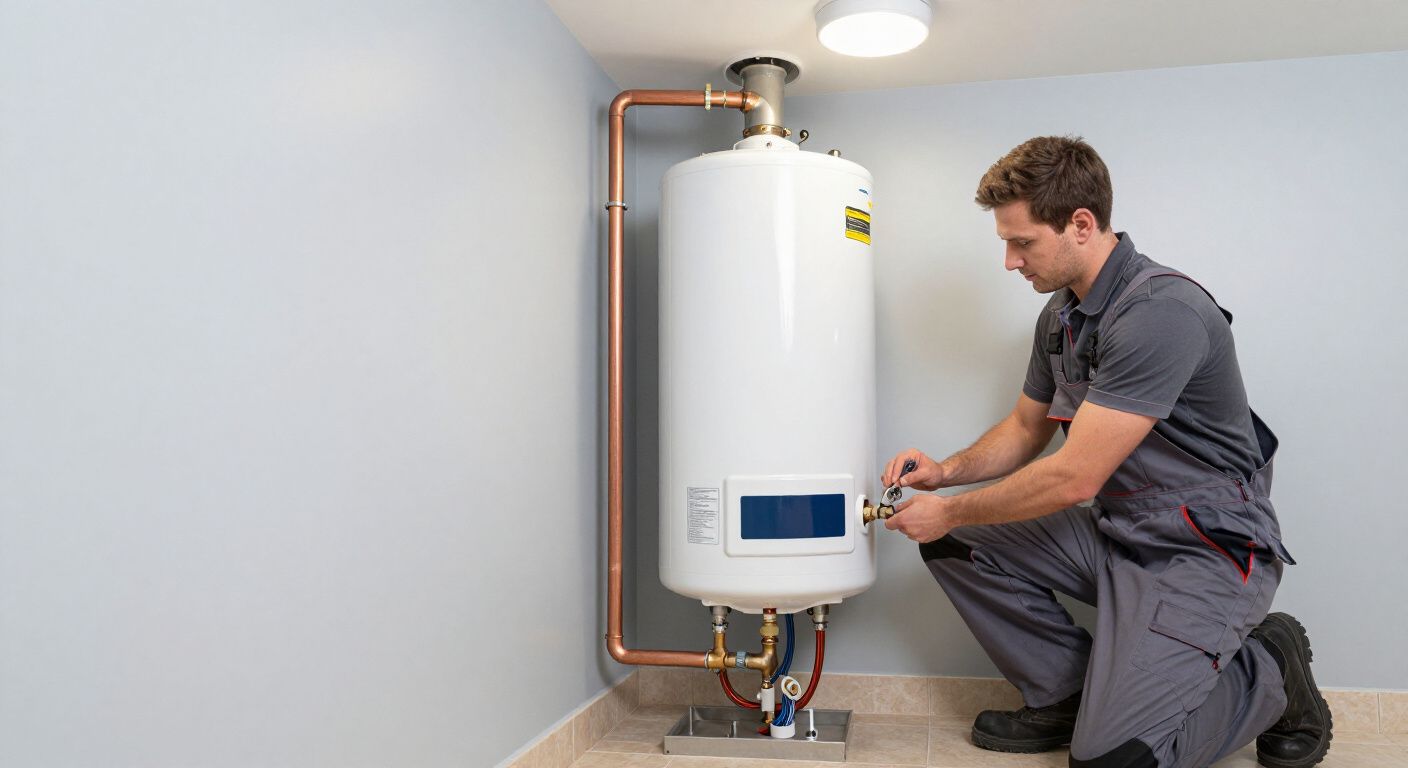


If Your Water Heater Is Making Loud Noises, It’s Under Stress
Nathanael Jolteus • January 4, 2026

Water heaters are designed to operate quietly. So when you suddenly hear loud banging, popping, rumbling, or knocking, your system is telling you something is wrong.


A water heater making loud noise emergency isn’t just annoying, it often signals dangerous pressure, overheating, or internal damage that can escalate into leaks, valve discharge, or tank failure if ignored.


This guide explains what those sounds mean, what to do immediately, and when this becomes a same-hour plumbing emergency.


FIRST: Shut Off Power or Gas to the Water Heater

Before investigating:

Electric water heater

  • turn off the breaker labeled “water heater”

Gas water heater

  • turn the gas control valve to OFF

Do not allow a noisy heater to continue heating under stress.


What the Noises Usually Mean (Emergency Causes)

1. Loud Popping or Crackling Sounds

This is the most common, and dangerous, noise.

Usually caused by:

  • heavy sediment buildup

  • overheating trapped water

  • steam bubbles exploding under sediment

Sediment acts like insulation, forcing the heater to overheat internally.


2. Banging or Knocking Sounds

Banging often indicates:

  • rapid pressure changes

  • expanding metal from overheating

  • failing internal components

This is frequently a precursor to leaks or relief valve discharge.


3. Deep Rumbling or Roaring

Rumbling suggests:

  • advanced sediment accumulation

  • excessive burner activity

  • poor heat transfer

The longer this continues, the faster the tank deteriorates.


4. Hissing or Screeching

Hissing may signal:

  • water flashing into steam

  • pressure escaping

  • failing valves

This is a do-not-ignore sound.


🚫 What NOT to Do When a Water Heater Gets Loud


❌ Do NOT raise the temperature

❌ Do NOT ignore the noise

❌ Do NOT keep using hot water heavily

❌ Do NOT assume flushing once fixes it

❌ Do NOT restart repeatedly


These actions often accelerate failure.


Why Loud Water Heaters Are Common in South Florida

South Florida water heaters fail faster due to:

  • mineral-heavy water

  • rapid sediment buildup

  • year-round usage

  • high humidity accelerating corrosion

Many heaters here develop dangerous sediment layers years earlier than expected.


Hidden Damage Loud Noises Often Indicate

Behind loud water heater noises, we often find:

  • extreme sediment accumulation

  • internal tank corrosion

  • stressed welds and seams

  • unsafe pressure levels

  • failing heating elements or burners

Noise is often the last warning before a leak or rupture.


When This Is a SAME-HOUR Emergency

Call an emergency plumber immediately if:

  • noises appeared suddenly

  • sounds are loud or violent

  • relief valve is dripping

  • hot water output changed abruptly

  • the heater is 6–8+ years old

  • you smell gas or burning

These indicate active system failure, not routine wear.


How Emergency Plumbers Handle Noisy Water Heaters

At Leading Plumbing Services, emergency response includes:

  • safely shutting down the unit

  • inspecting for pressure and temperature issues

  • evaluating sediment levels

  • checking relief valves and expansion tanks

  • determining safe repair vs replacement

  • preventing leaks or rupture

We treat loud noises as a safety warning, not a nuisance.


Why Waiting Makes Failure More Likely

Homeowners who delay often face:

  • tank leaks or rupture

  • flooding

  • emergency replacements

  • water damage

  • insurance complications

Once a heater gets loud, deterioration accelerates quickly.


South Florida Emergency Reality

In South Florida, water heater noise emergencies are one of the most ignored warning signs, until a leak or flood forces immediate action.


Homes that act early usually avoid water damage entirely.


Those that wait rarely do.


Final Emergency Guidance

If your water heater is making loud popping, banging, or rumbling noises, shut it off immediately and call a professional. These sounds are not normal, they’re your system warning you before failure.


Call/Text Leading Plumbing Services now for 24/7 emergency water heater diagnosis and repair:


(561) 506 6159


By Nathanael Jolteus January 8, 2026
Seeing water drip from a ceiling or stain drywall is terrifying. Many homeowners immediately assume a roof leak, but in South Florida, one of the most common causes is actually an AC drain line backup . An AC drain line backup emergency occurs when condensation from the air conditioner can’t drain properly. That water then overflows into ceilings, walls, or floors, often causing widespread damage before the source is identified. This guide explains what to do immediately , why AC drains back up so often in South Florida, and when this becomes a same-hour plumbing emergency. FIRST: Turn Off the Air Conditioner Immediately This is critical. turn the AC system OFF at the thermostat do not let it continue running continued operation creates more condensation As long as the AC runs, more water is being produced. Why AC Drain Lines Back Up (Emergency Causes) 1. Algae and Sludge Blockage AC drain lines constantly carry moisture. In South Florida: heat + humidity = algae growth sludge builds up inside the drain flow slows, then stops Once blocked, water overflows into the home. 2. Disconnected or Broken Drain Lines Drain lines can: disconnect in attics crack over time shift during maintenance Water then dumps directly into ceilings or walls. 3. Clogged Condensate Traps Traps can clog with: dirt algae debris When the trap fails, drainage stops completely. 4. Improper Drain Installation (Common in Older Homes) Improper slope or routing can: trap water cause repeated backups overwhelm the system during heavy use These issues often worsen suddenly. 🚫 What NOT to Do During an AC Drain Backup ❌ Do NOT keep the AC running ❌ Do NOT poke holes in ceilings ❌ Do NOT assume it’s harmless condensation ❌ Do NOT ignore water stains ❌ Do NOT delay inspection AC drain water spreads silently and damages fast. Hidden Damage AC Drain Backups Cause Even brief overflows can lead to: soaked insulation ceiling collapse risk mold growth in attics damage inside walls flooring damage below Most of this damage occurs before dripping becomes obvious. Why This Escalates Faster in South Florida South Florida homes face higher risk because: AC systems run year-round humidity accelerates algae growth attics trap moisture slab homes hide water migration AC drain emergencies are far more common here than in cooler climates. When This Is a SAME-HOUR Emergency Call an emergency plumber immediately if: water is dripping from ceilings drywall is sagging or bubbling water stains appeared suddenly the AC drain pan is overflowing water spreads to multiple rooms the system shut itself off repeatedly These are do-not-wait situations. How Emergency Plumbers Handle AC Drain Emergencies At Leading Plumbing Services , emergency response includes: stopping active water damage clearing clogged drain lines inspecting traps and drain routing repairing or reconnecting drain lines testing proper flow helping prevent repeat backups We stop the water and fix the cause. Why Waiting Makes Damage Multiply Homeowners who delay often face: ceiling replacement mold remediation insulation removal structural repairs insurance complications Clearing a drain early is simple. Repairing ceilings is not. South Florida Emergency Reality In South Florida, AC drain line backup emergencies are one of the most common hidden causes of interior water damage, especially during hot, humid months when AC systems run nonstop. Most homeowners don’t realize the danger until water appears overhead. Final Emergency Guidance If water is dripping from your ceiling and the AC has been running, turn the system off immediately and call a professional. AC drain backups don’t resolve on their own , they soak, spread, and collapse materials fast. Call/Text Leading Plumbing Services now for 24/7 emergency AC drain and water damage prevention: (561) 506 6159
By Nathanael Jolteus January 8, 2026
If you smell gas in your home, especially near a water heater, stove, dryer, or utility area , this is not a situation to investigate casually. A gas line leak emergency poses an immediate risk of: explosion fire carbon monoxide exposure Unlike water leaks, gas leaks can escalate without visible warning . What you smell may be a small leak or the early sign of a rapidly worsening failure. This guide explains exactly what to do right now , what causes gas leaks in South Florida homes, and when this becomes a same-hour emergency. FIRST: Leave the Area and Do NOT Use Anything Electrical This is critical. If you smell gas: do not turn lights on or off do not use phones inside the area do not operate appliances do not ignite flames open doors and windows only if safe If the smell is strong, leave the home immediately . SECOND: Shut Off the Gas Supply If You Can Safely Do So Only if it’s accessible and safe: locate the gas shutoff valve turn the valve a quarter turn until perpendicular to the line If you’re unsure, do not attempt it , leave the area and call for help. Why Gas Leaks Happen (Emergency Causes) 1. Failing Gas Connections or Flex Lines Gas appliances often use flexible connectors. Over time they can: corrode crack loosen fail at fittings Water heaters are a common source. 2. Aging or Improperly Installed Gas Lines Older homes may have: outdated piping deteriorating fittings improper repairs Small failures can worsen rapidly. 3. Appliance Valve or Regulator Failure Gas valves and regulators can fail due to: wear pressure irregularities internal component breakdown This often causes intermittent gas smells that worsen suddenly. 4. Impact or Vibration Damage Gas lines can be damaged by: appliance movement construction or renovations vehicle impact (garages) Even small shifts can break seals. 🚫 What NOT to Do If You Smell Gas ❌ Do NOT “wait and see” ❌ Do NOT light matches or candles ❌ Do NOT flip switches ❌ Do NOT try DIY gas repairs ❌ Do NOT re-enter a strong-smelling area Gas emergencies are not DIY situations. Health and Safety Risks of Gas Leaks Gas exposure can lead to: dizziness nausea headaches loss of consciousness fire or explosion Children, pets, and elderly occupants are especially vulnerable. Why Gas Emergencies Escalate Faster in South Florida South Florida homes face unique risks because: many appliances are located in garages or enclosed spaces humidity accelerates corrosion older homes have aging infrastructure renovations sometimes disturb gas lines Gas leaks here often occur without prior warning signs. When This Is a SAME-HOUR Emergency Call emergency services and a professional immediately if: the gas smell is strong or persistent you hear hissing near a gas line appliances shut off unexpectedly the smell worsens over time anyone feels dizzy or ill the home has older gas piping These are do-not-delay situations. How Emergency Plumbers Handle Gas Line Emergencies At Leading Plumbing Services , emergency response includes: locating and isolating the leak testing gas lines and fittings repairing or replacing failed components pressure testing the system ensuring code-compliant, safe restoration coordinating with gas utilities if required Safety is the priority , repairs come second. Why Waiting Is Extremely Dangerous Homeowners who delay often face: emergency evacuations fire department intervention property damage appliance loss serious injury risks Gas leaks do not stabilize on their own. South Florida Emergency Reality In South Florida, gas line leak emergencies frequently originate near water heaters, dryers, and stoves , often in garages or utility rooms where smells go unnoticed at first. If you smell gas, your home is already warning you. Final Emergency Guidance If you smell gas inside your home, leave the area immediately and call a professional. Do not investigate, do not delay, and do not attempt repairs yourself. Call/Text Leading Plumbing Services now for 24/7 emergency gas line detection and repair: 561 506 6159