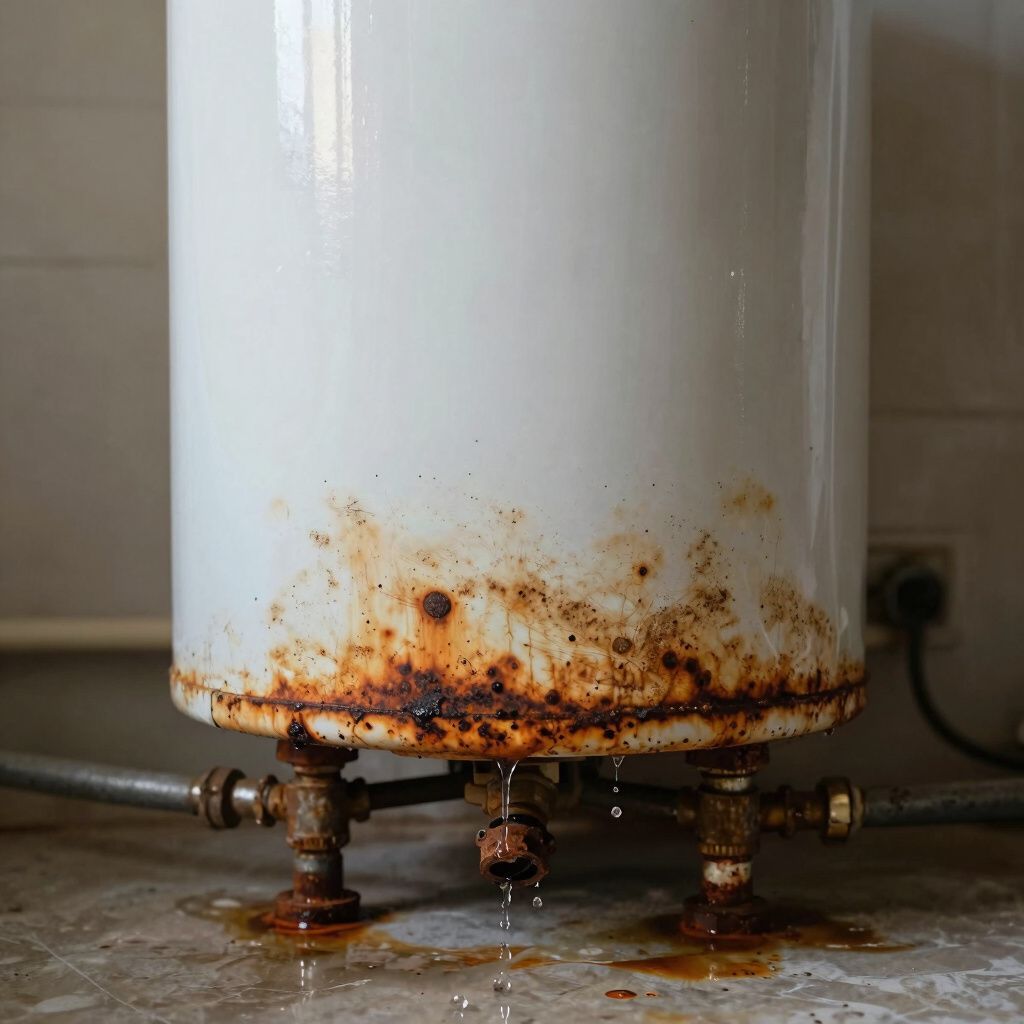


The Little Valve Under Your Sink Is Leaking. Here's When to Worry
Nathanael Jolteus • September 5, 2026

You reach under the sink for something and notice a puddle.


Then you see it: water collecting around the small shutoff valve coming out of the wall.

It may only be dripping now,  but a leaking shutoff valve, also called an angle stop, deserves attention because it's connected directly to your home's pressurized water supply.


Here's what to do.

FIRST: Figure Out How Serious the Leak Is

A few drops around the valve stem is different from water spraying from the connection.


If it's actively spraying or the leak is getting worse:


-Stop using the fixture.

-Put a container or towels underneath if safe.

-Don't repeatedly open and close an old or corroded valve.

-Shut off the home's main water supply if you cannot control the leak locally.


If water is reaching an electrical outlet or appliance, keep away from affected area and address the electrical hazard safely.


WHY Do Shutoff Valves Start Leaking?

These valves can sit untouched for years. Then one day they're operated and suddenly begin dripping.


Possible causes include:


A worn valve stem or seal. Internal components deteriorate with age.


A leaking connection. Water may be escaping where the valve connects to the supply pipe or fixture supply line.


Corrosion. An older valve or connection can weaken enough to begin leaking.


A failing supply line nearby. Sometimes the valve isn't actually the source. Water from the flexible supply line above it runs downward and makes the valve appear responsible.


That last possbility is why finding the exact leak point matters.


When Is This an Emergency?

Call a plumber promptly if:

-water is spraying instead of dripping

-the valve won't completely shut off;

- the valve looks heavily corroded;

-the leak suddenly becomes worse;

-the wall or cabinet is getting wet;

-the connected supply line is bulging or damaged; or

- you can't stop the water


A slow drip may not require a middle-of-the-night response, but it shouldn't be forgotten either. Water leaking inside a cabinet can damage wood, drywall and flooring before the problem looks serious from the outside.


DON'T DO THIS


If an old valve feels stuck, don't put excessive force on it with pliers.


The goal is to stop a leak, not turn an aging valve or connection into a broken pressurized line.


If you're unsure, isolate the home's water supply and have the valve inspected.


A Small Part Can Still Cause a Big Mess

Shutoff Valves are easy to overlook because they're small.


But they're also supposed to be your first line of defense when a toilet, faucet or appliance develops a leak.


If the shutoff itself doesn't work when you need it, you lose that protection.


That's a good reason to repair a leaking or unreliable valve before the next plumbing problem happens.


Need a Plumber for a Leaking Shutoff Valve in South Florida?


Leading Plumbing Services can identify whether the leak is coming from the valve, connection or supply line and repair the actual source.


Call or text Leading Plumbing Services @ 561 506 6159


If water is actively escaping and the fixture valve won't stop it, shut off the main water supply if you can safely do so and get plumbing help as soon as possible.


Author:
 Nathanael Jolteus


By Nathanael Jolteus • October 23, 2026
The bathtub was only half full. Nobody splashed water into the floor. The faucet worked normally. The drain seemed fine. Yet downstairs, a wet spot appeared on the ceiling. The surprising culprit? A small opening near the top of the bathtub that most homeowners rarely think about. It's called the bathtub overflow drain. And when something goes wrong behind it, an ordinary bath can turn into a hidden plumbing leak. The Hole Nobody Pays Attention To Look near the upper inside wall of your bathtub. You'll usually see a round cover or opening. That's part of the overflow assembly, designed to route excess water into the tub's drainage system. But there's something important to understand: The overflow isn't simply a hole in the tub. It's connected to plumbing behind the wall. If a gasket, deteriorates, a connection loosens, or the overflow piping becomes damaged, water entering that assembly may escape into the surrounding structure. Sometimes the first visible evidence appears in the room below. The Clue Is When the Ceiling Gets Wet Consider three different situations. Water appears while the bathtub is filling. A supply connections, faucet assembly, or another plumbing component may be involved. Water appears when the tub fills high enough to reach the overflow opening. The overflow assembly becomes an important suspect. Water appears when the bathtub drains. The drain connection or downstream piping may deserve closer investigation. These patterns aren't definitive diagnoses, but they can help a plumber narrow down the source. Why This Leak Is Easy to Miss Unlike a broken faucet, an overflow leak can remain hidden. Water may travel behind the tub, soak building materials, and eventually appear through drywall. By the time you notice staining downstairs, moisture may already be present in places you cannot see. And because the bathtub still seems functional, it's tempting to keep using it. That's the mistake to avoid. What Should You Do Right Now? If you suspect a bathtub overflow leak, stop using the tub until the source is identified. Don't deliberately fill it again to reproduce the leak , especially if water has already reached the ceiling below. Keep people away from sagging or heavily saturated drywall, and avoid wet electrical fixtures. If the leak continues even when the bathtub isn't being used, there may be a separate pressurized plumbing issue requiring more urgent attention. A plumber can inspect the overflow assembly, drain connections, and surrounding plumbing to determine what's actually failing. Does the Entire Bathtub Need Replacing? Not necessarily. Some overflow leaks involve a gasket or connection that can be repaired without replacing the bathtub. Other situations may require more extensive access or repairs, particularly if hidden water damage has occurred. The key is finding the source before deciding on the solution. Bathtub Overflow Leak in South Florida? If water is appearing beneath your bathroom, around the bathtub, or through the ceiling below, Leading Plumbing Services can help identify the plumbing problem and determine the appropriate repair. Call or text: 561 506 6159 Serving homeowners and businesses throughout South Florida. "The bathtub doesn't have to overflow for its overflow drain to leak." Author: Nathanael Jolteus
By Nathanael Jolteus • October 22, 2026
"It rained last night. That's probably why there's water underneath it." Fair assumption. In South Florida, an outdoor tankless water heater can get wet without having a plumbing problem. But there's an important different between rainwater draining off equipment and water escaping from a plumbing connection. And confusing the two can mean overlooking a leak. Myth: If It Only Happens After Rain, It's Harmless Not necessarily. Rainwater can collect on exterior surfaces and drip after a storm. But rain can also make an existing leak harder to recognize. Here's a better question: Does the dripping continue after the surrounding equipment has dried? If it does, it's worth investigating. Myth: Water Beneath the Heater Means the Unit Is Broken Not always. The source could be a supply connections, fitting, valve, or another component near the heater. Certain tank-less systems also produce condensate during normal operation, which should be handled through the appropriate drainage arrangement. The location of the puddle doesn't establish which component is responsible. Myth: A Small Leak Can Wait Indefinitely A slow drip may seem insignificant. But an active pressurized plumbing leak can worse, and water reaching electrical components creates additional concerns. Look for changes in the leak's behavior. Is it getting heavier? Is water spraying from a connection? Is moisture entering the building? Has the heater started displaying an error or stopped delivering hot water? Those details matter more than the puddle's size alone. What Should You Do? Start with observation, not disassembly. If conditions are safe, look for where the water first appears. Don't remove the heater's cover or attempt to tighten pressurized connections. If water is actively escaping, isolate the water supply using a clearly identified shutoff if you can do so safely. Avoid touching wet electrical equipment. If you smell gas, leave the area and contact the gas utility or emergency services from a safe location. A rapidly worsening leak, water entering the home, or water reaching electrical components deserves urgent attention. The South Florida Takeaway Outdoor plumbing equipment lives through rain, humidity, heat and storms. That makes it especially important to distinguish normal exterior moisture from a genuine plumbing failure. The goal isn't to assume every drip is an emergency. It's to recognize the one that shouldn't be ignored. Outdoor Tankless Water Heater Leaking In South Florida? Leading Plumbing Services can help investigate water leaks involving tank-less water heater plumbing connections and determine the appropriate next steps. Call or text: 561-506-6159 Serving homeowners and businesses throughout South Florida. "Rainwater eventually stops. A plumbing leak may not. Know the difference." Author: Nathanael Jolteus