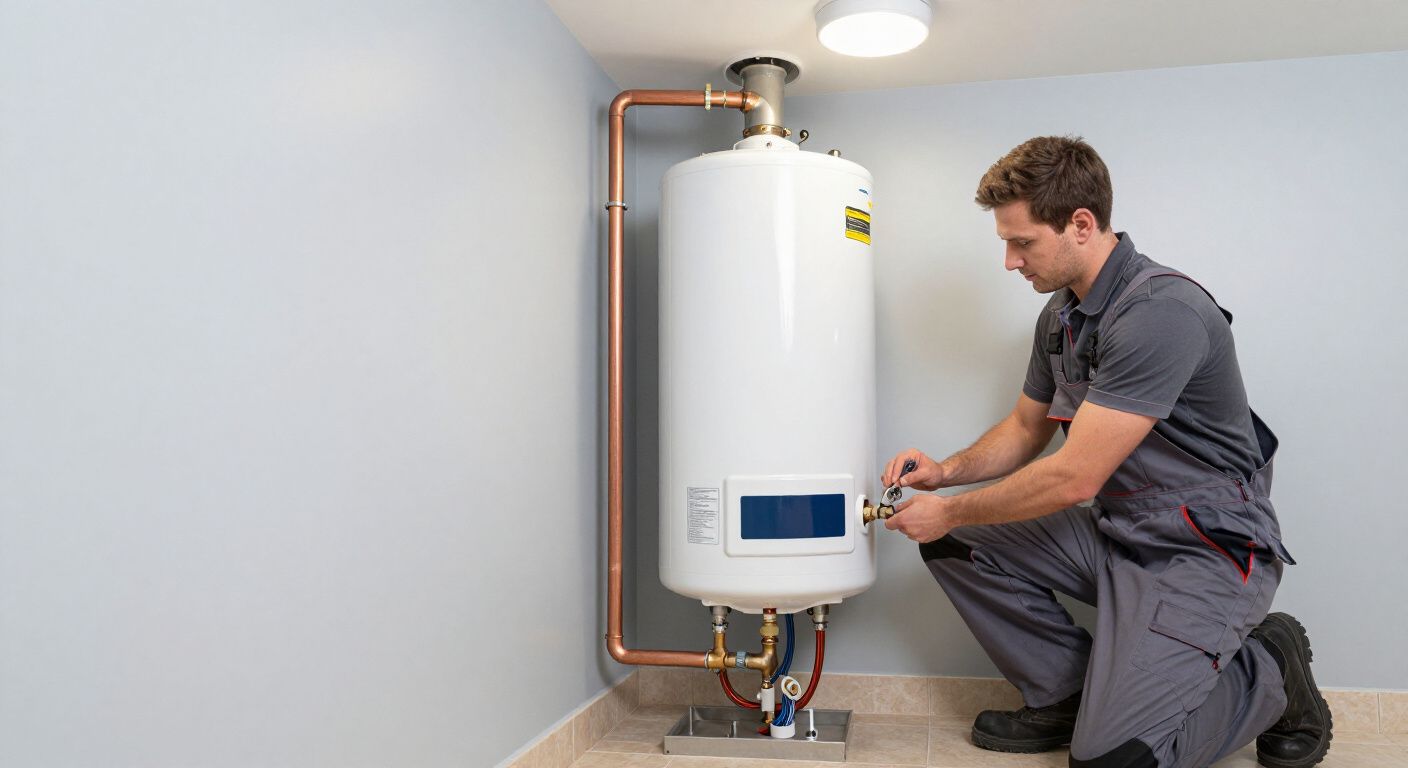


Rust in Your Tap Water? Here’s What It Actually Means for Your Home and Health (South Florida Breakdown)
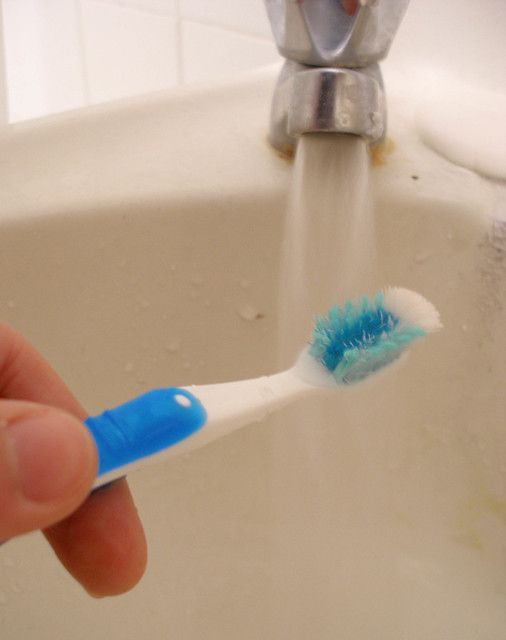
If you’re seeing rust in your tap water, orange, yellow, brownish tint, or metallic taste, that’s a sign something is happening inside your plumbing system or water supply.
While occasional discoloration isn’t always dangerous, it can point to pipe corrosion, sediment in the line, failing water heaters, or even municipal disturbances.
In South Florida, this happens more often than people think.
1. Old Pipes = Rusty Water
If your home is older (especially built before 1990), there’s a good chance your plumbing system includes:
- galvanized steel
- older copper
- mixed-metal plumbing
As pipes corrode, they release rust particles into your water.
Signs:
- brown water after turning on tap
- rust stains in sinks
- yellowish tint
- metallic taste
2. Water Heater Sediment
Inside every water heater:
- minerals
- sediment
- rust flakes
collect over time.
When sediment stirs up, it discolors water.
Signs:
- rusty water only when hot
- yellow or brown tint
- water heater older than 8–10 years
South Florida minerals speed up sediment buildup.
3. Municipal Water Disturbance
Sometimes city water systems are being worked on or flushed.
This spreads rust sediment through neighborhood water lines.
Signs:
- discoloration in multiple homes
- neighbors have same issue
- sudden change in water
4. Corroded Water Heater Tank
If your tank itself is rusting internally, the problem is more serious:
- flakes in water
- metallic smell
- hot water always discolored
- tank older than 10 years
Once tank rusts inside → replacement time.
5. Mixed Plumbing Materials
Older homes often transition from copper to galvanized pipe or vice versa.
Mixed metals = corrosion and rust where metals meet.
6. What Rust Does to Your Home
Rust stains:
- sinks
- tubs
- clothing
- tile
- fixtures
- appliances
Once rust stains surfaces, removing them becomes difficult.
7. Is Rust Dangerous?
Generally, small levels aren’t immediate danger, but:
- bacteria can attach to rust
- rust indicates pipe corrosion
- rust can carry metal particles
- corrosion often equals leaks soon
If rust is heavy or worsening → get plumbing inspected.
8. Health Considerations
Rust itself isn’t highly toxic, but what causes the rust may be:
- corroded metal leaching
- older lead plumbing components
- pipe interior breakdown
Especially concerning in older Florida homes.
9. When You Should Call a Plumber
Call ASAP if:
- rust is constant
- only hot water is rusty
- water heater older than 8 years
- rust increases over time
- stains appear fast
- metallic taste develops
- water smells odd
These often signal internal tank corrosion or failing piping.
10. What We Do (Professional Fix)
At Leading Plumbing Services LLC, we:
- test water quality
- inspect plumbing materials
- flush water heater
- check water heater age
- evaluate corrosion risk
- inspect pipe integrity
- test hot vs cold discoloration
If tank is rusting → we recommend replacement before leaks happen.
11. South Florida-Specific Causes
Rust issues rise because of:
- high mineral content
- older housing stock
- mixed-metal plumbing over the years
- coastal air corrosion
- sediment in municipal system
- high water pressure
Florida accelerates corrosion.
12. Prevention
✔ flush water heater once per year
✔ install water filtration
✔ check water heater age
✔ inspect pipes every 5 years
✔ avoid ignoring discoloration
Rust today → leak tomorrow.
Final Thoughts
Seeing rust in tap water is a warning sign, not just a cosmetic issue.
Whether it’s from the water heater, pipe corrosion, sediment, or municipal issues, it’s worth having a professional look before the problem becomes expensive.
Call/Text us ASAP if your tap water looks rusty:
(561) 506-6159