

Sulfur Smell in Your Water? Here’s Why Your Water Smells Like Rotten Eggs (South Florida Home Guide)
If you notice a sulfur smell in your water, that rotten egg odor, it’s one of the most unpleasant plumbing problems homeowners face.
It can happen suddenly or gradually, and it almost always signals a water quality issue that needs attention.
In South Florida, these smells show up often due to mineral-heavy water, water heater sediment, and bacterial reactions inside plumbing.
Let’s break down the real cause and what to do next.
1. Hydrogen Sulfide Gas in Water
The rotten egg smell comes from hydrogen sulfide gas, which forms due to:
- bacteria in water
- mineral reactions
- water heater sediment
- old plumbing components
Even tiny amounts cause strong odor.
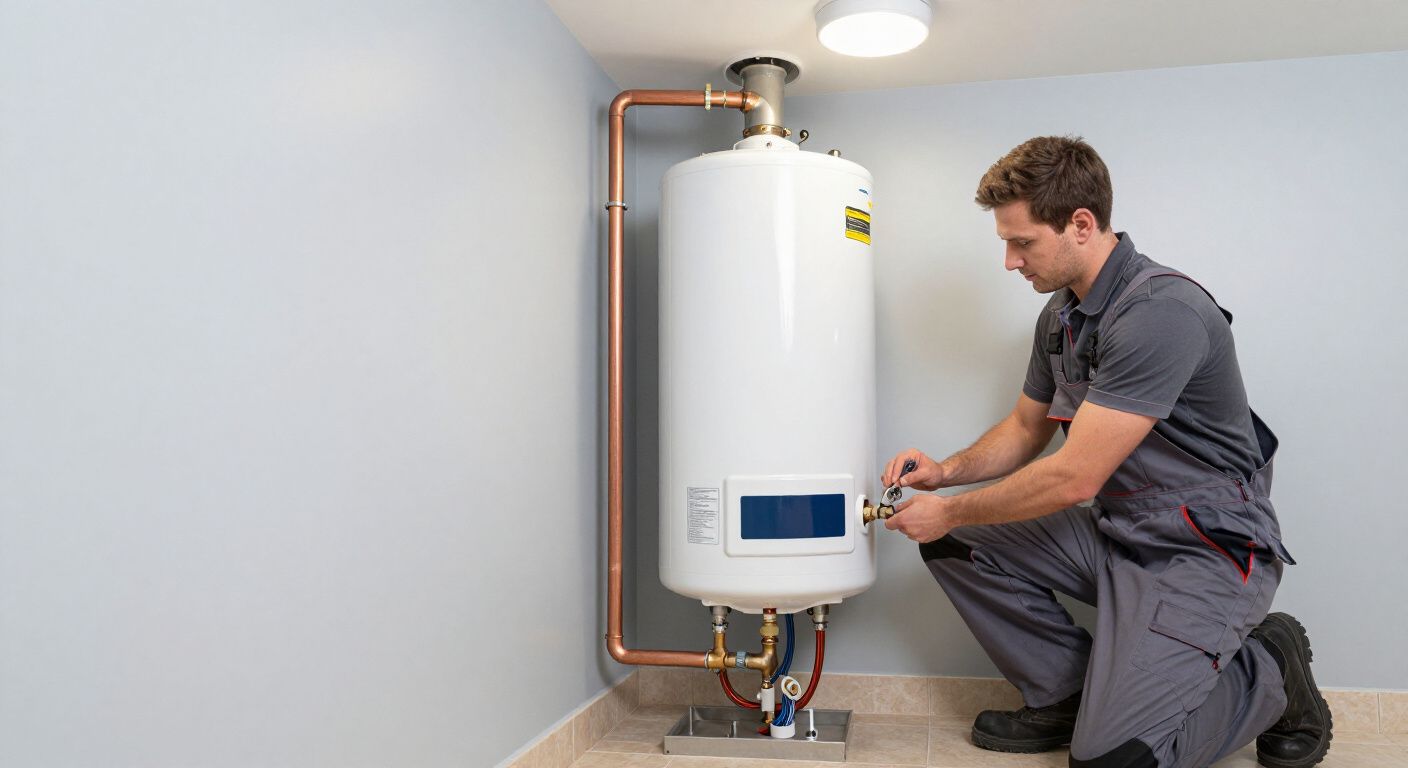
2. If Smell Is ONLY in Hot Water
This is extremely common.
The cause is usually:
- water heater sediment
- bacteria inside tank
- old anode rod
- corrosion in tank
Heating the water releases the smell.
3. If Smell Is in Both Hot and Cold Water
This may indicate:
- well water issues
- incoming water contamination
- bacteria in plumbing system
- municipal water disturbance
A whole-home inspection is recommended.
4. Water Heater Sediment
Sediment builds up inside the tank from:
- minerals
- sand
- corrosion flakes
This reacts with the anode rod and creates sulfur smell.
This is common in Florida due to mineral content.
5. Anode Rod Reaction
Water heaters have an anode rod that protects the tank from corrosion.
When the rod:
- decays
- reacts with sulfur
- corrodes
…your hot water starts smelling like sulfur.
Replacing the rod often solves it.
6. Bacteria in Well Systems (If Applicable)
Homes using well water sometimes experience sulfur smell from:
- iron bacteria
- sulfur bacteria
- stagnant sections in plumbing
A system sanitation is required.
7. Sink Aerators Trap Odor
Sometimes the smell is stronger at certain sinks because aerators collect:
- bacteria
- debris
- mineral particles
Cleaning the aerator can reduce odor temporarily.
8. If Smell Comes From One Bathroom
Then the issue may be:
- drain odor rising up
- bacteria in trap
- sulfur smell from sink, not supply water
Easy to misdiagnose without professional testing.
9. Is It Dangerous?
Usually not, but sulfur smell can indicate:
- high bacterial content
- water heater corrosion
- decaying plumbing components
If water looks dirty or cloudy → stop using immediately.
10. Quick Home Checks
✔ smell cold vs hot water
✔ check multiple sinks
✔ clean faucet aerators
✔ flush water heater 3–5 minutes
✔ inspect water heater age
If smell returns → deeper issue.
11. When to Call a Plumber
Call ASAP if:
- smell is constant
- smell is stronger in hot water
- water heater older than 8 years
- water appears yellow or dirty
- smell worsens after heater runs
- you have guests or need clean water ASAP
Sustained sulfur smell = system problem.
12. What We Do (Professional Fix)
At Leading Plumbing Services, we:
- flush water heater
- sanitize tank
- replace anode rod
- inspect sediment buildup
- test water quality
- clean affected plumbing lines
- inspect incoming water supply
We restore clean, odor-free water.
13. Florida-Specific Issues
In South Florida, sulfur smell is common due to:
- mineral-heavy water
- older water heaters
- bacterial reactions
- high humidity inside heaters
- outdated plumbing lines
Our climate accelerates odor problems.
Final Thoughts
A sulfur smell in water is more than just unpleasant,it’s a warning that your water heater, plumbing system, or water source needs attention.
The sooner you address it, the faster the odor disappears.
Call/Text us immediately for sulfur smell and water quality inspection:
(561) 506-6159