

The Case of the Sink That Filled Itself
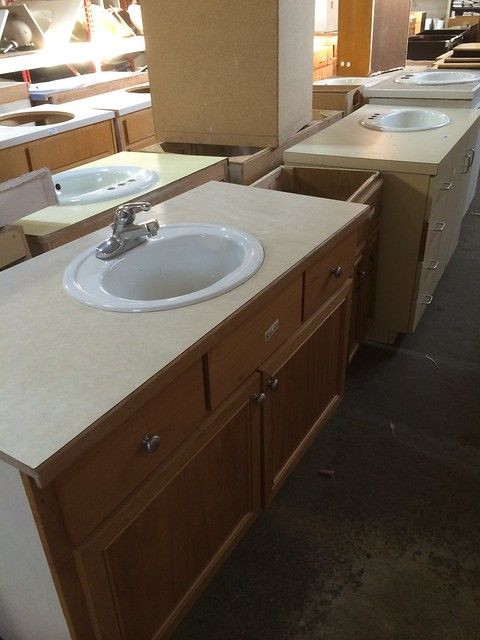
Location: Kitchen
Time: Right after dinner
Homeowner: Confused
Sink faucet: Off
Sink: Somehow filling with dirty water
Then you hear the dishwasher draining.
Mystery solved?
Partly.
If water backs up into your kitchen sink when the dishwasher drains, the dishwasher may not actually be the problem.
Let's investigate.
EVIDENCE #1
The Dishwasher Sends Out a Lot of Water at Once
During its drain cycle, your dishwasher pumps wastewater into the kitchen's drainage system.
Normally, that water disappears without you noticing.
But give it a restricted drain downstream and things change.
Water reaches the restriction.
It can't move away quickly enough.
And suddenly it's appearing somewhere you can see:
your sink.
The dishwasher didn't necessarily create the blockage.
It may have simply exposed it.
EVIDENCE #2
The Sink Was Already Trying to Warn You
Think back over the last few days.
Was the kitchen sink:
-draining more slowly?
-making unusual gurgling sounds?
-holding water for a few seconds before clearing?
-developing recurring odors?
Those symptoms can appear before a drain stops handling normal flow effectively.
Then the dishwasher empties a larger volume of water into the system.
That's when the subtle problem becomes obvious.
SUSPECT #1 : A Kitchen Drain Restriction
Grease, food residue, soap buildup, and other material can gradually reduce drainage capacity.
Eventually, the line may still handle a small stream from the faucet but struggle when the dishwasher discharges.
Small flow: seems fine.
Large discharge: sink starts filing.
That's an important clue.
SUSPECT #2: The Garbage Disposal Area
If your dishwasher connects through a garbage disposal, problems around that part of the drainage setup can also affect how water exits.
And if a disposal was recently installed or replaced, mention that when you call.
Recent changes are useful evidence.
SUSPECT #3: A Larger Drain Problem
Now check the rest of the house.
If it's only the kitchen, the problem may be relatively localized.
But if bathrooms, showers, or other drains are also:
-slow
-gurgling; or
-backing up,
the investigation changes.
You may be dealing with a restriction further downstream.
THE EXPERIMENT YOU SHOULDN'T RUN
You see dirty water in the sink.
So you run the dishwasher again.
"Let's see if it happens twice."
DON'T.
You already have useful evidence.
Repeatedly sending more water toward a drainage system that's struggling can turn a contained sink backup into an overflow.
Until the problem is understood, minimize water use in the affected kitchen.
WHEN THE CASE BECOMES AN EMERGENCY
A slowly draining sink and a kitchen actively flooding are different situations.
Get urgent plumbing help if:
-the sink is close to overflowing;
-wastewater repeatedly returns;
-multiple drains begin backing up;
-water leaks underneath the sink or cabinets;
-sewage-like water appears; or
-you can't use the kitchen without triggering another backup.
If water is approaching electrical appliances or outlets, keep away from the affected area.
CASE CLOSED?
Not when someone simply removes the standing water.
The real question is:
Why couldn't the drainage system accept the dishwasher's discharge?
Clear the restriction.
Check the affected drainage path.
And if the problem keeps returning, investigate why.
That's how you solve the plumbing problem rather than repeatedly cleaning up its evidence.
Kitchen Drain Emergency in South Florida?
If your dishwasher is sending water back into the kitchen sink, Leading Plumbing Services can diagnose whether the problem is at the sink, disposal, drain connection, or farther downstream.
Call or text Leading Plumbing Services at 561 506 6159
Final finding: Your sink probably didn't fill itself. Something downstream gave the water nowhere better to go.
Author: Nathanael Jolteus