

Your Water Pressure Suddenly Feels AMazing. That Might Be a Problem.
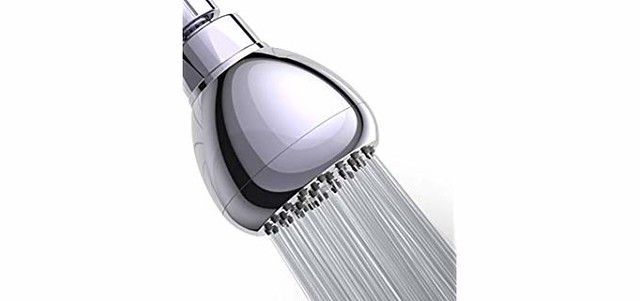
The shower is stronger than usual.
The kitchen faucet practically blasts water into the sink.
For a moment, it feels like an upgrade.
Then you hear a pipe bang when the faucet closes.
A toilet starts making an unfamiliar noise.
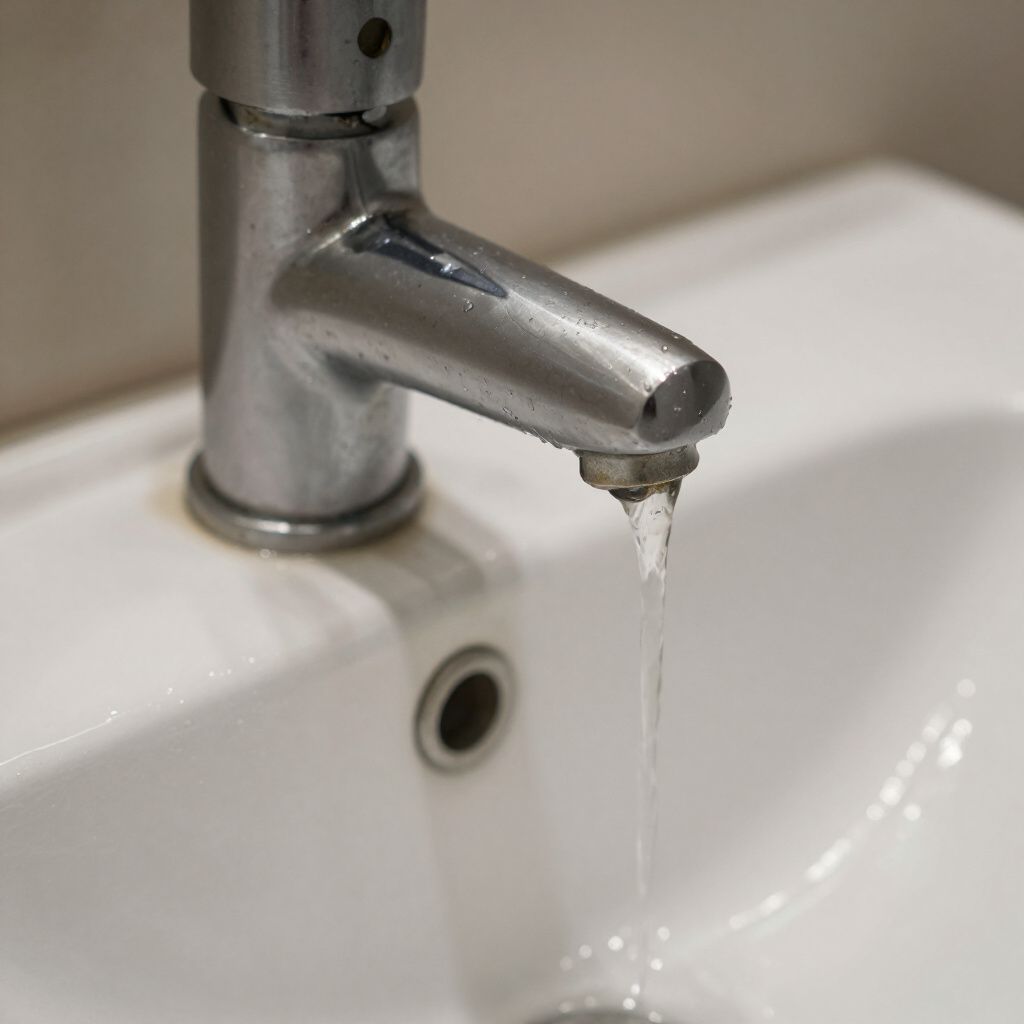
A faucet begins dripping.
Sometimes suddenly high water pressure isn't better water pressure. It's a warning.
Your House Has a Pressure Limit
Think about everything connected to your water supply.
Faucets.
Toilets.
Water heater.
Dishwasher.
Washing machine.
Supply lines.
Valves.
They're all living downstream of the incoming water pressure.
When pressure is higher than the plumbing system or individual components are designed to handle, those components can experience additional stress.
And the weakest one may be where you notice the problem first.
Warning #1: "The Faucets Feel Different".
You know your own house.
If you've used the same shower every morning for years, you'll notice when the pressure suddenly changes.
Don't dismiss a dramatic increase just because the water is still working.
A sudden system-wide change deserves an explanation.
Warning #2: "The Pipes Started Banging"
You close a faucet.
BANG.
Or the washing machine stops filling and you hear the pipes react.
There can be several reasons for plumbing noise, so banging alone doesn't diagnose excessive pressure.
But new plumbing noises appearing alongside noticeably stronger pressure give a plumber more information to work with.
Warning #3: " Little Leaks Are Appearing Everywhere"
First, it's a faucet.
Then a connection underneath the sink.
Then another fixture starts dripping.
One leak can simply be one failed component.
Several problems appearing around the same time?
That's when it's worth asking whether there's a system-level issue contributing to them.
Warning #4:"The Water Heater Is Acting Strange Too"
Pressure problems can involve more than faucets.
If you're also seeing unexpected discharge from the water heater's relief piping or other unusual water-heater behavior, mention it.
Don't cap or block a water heater's temperature-and-pressure relief valve to stop a discharge.
A safety device operating unexpectedly should be diagnosed, not defeated.
So How Do You Know the Actual Pressure?
Not by how powerful the shower feels.
Measure it.
A plumber can test the home's static water pressure and determine whether it's appropriate for the plumbing system.
If the home has a pressure-reducing valve (PRV), that component may also need evaluation.
The important point is simple:
"Don't replace three leaking fixtures before asking whether something upstream is stressing all three."
When High Water Pressure Becomes an Emergency
High pressure itself may be discovered during a routine inspection.
The emergency is often what happens next.
Get urgent plumbing help if you have:
- a burst Supply line;
-a connection actively spraying;
-rapidly spreading water;
-a valve that won't stop a leak;
-unusual water-heater discharge; or
-multiple plumbing failures happening suddenly.
If something bursts, stopping the escaping water becomes the first priority.
The Part Most Homeowners Never See
Plumbing emergencies don't always begin with a dramatic flood.
Sometimes the house whispers first.
A stronger shower.
A new banging sound.
A dripping connection
Another failed valve.
Individually, they may seem unrelated.
Together, they may be worth investigating.
Sudden Water-Pressure Problem in South Florida?
If your home's water pressure has changed dramatically, or you're experiencing repeated pressure-related plumbing problems, Leading Plumbing Services can help.
Call or text Leading Plumbing Services at 561 506 6159 , today.
"Strong water pressure feels great in the shower. Your plumbing may have a very different opinion, though. "
Author:
Nathanael Jolteus