


The Complete Homeowner’s Guide to Water Heater Lifespans : When to Repair vs. Replace
Nathanael Jolteus • December 3, 2025
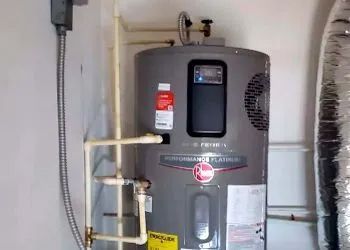
A water heater is one of the most important appliances in your home and one of the easiest to ignore. Most homeowners don’t think about their water heater until it stops working, starts leaking, or floods the garage.
But here’s the truth:
Knowing the age, condition, and warning signs of a failing water heater can save you thousands in damage and emergency repairs.
In this guide, we break down exactly how long water heaters last, when a repair is enough, and when it’s smarter (and cheaper) to replace the unit entirely.
How Long Does a Water Heater Last?
Most water heaters fall into two categories:
1. Traditional Tank Water Heaters
Lifespan: 8–12 years
- Common in most South Florida homes
- Vulnerable to corrosion and mineral buildup
2. Tankless Water Heaters
Lifespan: 15–20 years
- More efficient
- Higher upfront cost but lower long-term cost
Heat, humidity, and mineral-rich water in South Florida can shorten these lifespans, especially if the unit isn’t maintained.
The 6 Warning Signs Your Water Heater Is Failing
Most water heaters fail gradually, giving you small clues before a big issue hits. Here are the signs plumbers look for during inspections:
1. Water Around the Base of the Heater
Even a small puddle means water is escaping from the tank.
Once a tank begins leaking, it cannot be repaired. Full replacement is required.
2. Rusty or Discolored Water
Brown or rusty water usually means:
✔ the tank is corroding
✔ the anode rod has failed
✔ rust is entering your water lines
Corrosion inside the tank is irreversible.
3. Unusual Noises (Cracking, Rumbling, Popping)
Sediment buildup at the bottom of the tank causes the metal to overheat and expand.
This makes your heater:
- less efficient
- more expensive to run
- more likely to fail unexpectedly
4. Inconsistent or Lukewarm Water
If your hot water cuts out quickly or never gets fully hot, the heating element or burner may be failing.
Repairs can help — but if the unit is 10+ years old, replacement is usually smarter.
5. The Water Heater Is Over 10 Years Old
Age is one of the strongest predictors of failure.
If your unit is over a decade old, it’s time to plan for replacement even if it still works.
Think of it like a car with 200,000 miles — it’s running, but for how long?
6. Your Water Heater Needs Frequent Repairs
If you’re calling a plumber every few months, you’re experiencing what we call:
“The Repair Spiral.”
At that point, replacement becomes the more cost-effective option.
Repair vs. Replace : How to Decide
Here’s the rule many plumbers use, and it’s simple:
Repair IF:
The unit is under 8 years old
The issue is a simple valve, thermostat, or heating element
There are no signs of corrosion
The tank is not leaking
Replace IF:
The unit is 10–12+ years old
There is ANY sign of tank leakage
Rust is present in the water
Repairs cost more than 40% of a new unit
Energy bills are increasing due to inefficiency
Why South Florida Homes Need Faster Replacement
The combination of:
-high humidity
-mineral content in local water
-constant AC cycling
-salty air in coastal areas
… means water heaters here undergo more stress than in other states.
It’s common for South Florida water heaters to fail at the lower end of the national lifespan range.
How to Extend the Life of Your Water Heater
Regular maintenance can add years to your water heater:
✔ Flush the tank annually
Prevents sediment buildup that overheats the tank.
✔ Replace the anode rod every 3–5 years
Stops internal corrosion.
✔ Check the pressure relief valve
Ensures the tank can release pressure safely.
✔ Inspect for moisture monthly
Especially in garages or utility closets.
Most homeowners never do these things, that’s why most water heaters fail early.
When to Call a Plumber Immediately
Call a licensed plumber ASAP if you notice:
water pooling around the base
hot water running out in under 5 minutes
popping or banging sounds
rust-colored water
water heater that’s older than 10 years
These are signs your unit is near failure.
Need a Water Heater Inspection? We’re Here to Help.
At Leading Plumbing Services LLC, we offer:
same-day water heater inspections
honest recommendations
transparent pricing
full installation and repair services
photos/video of every diagnosis
We’ll help you decide whether repair or replacement is the smarter long-term move.
Final Thoughts
A water heater is easy to forget, until the day it stops working or starts leaking all over your garage. Knowing what to look for and when to call a professional can save you thousands in avoidable damage.
If your water heater is acting up or nearing the end of its lifespan, don’t wait.
Call/Text us today for a same-day inspection:
561 506 6159

Field Note: Laundry room. South Florida home. Washing machine hasn't run in hours. There's water on the floor. The washing machine looks fine. The hoses are dry. No obvious appliance leak. But there's moisture around the drain opening behind the machine. And the homeowner has one very reasonable question: "Where is the water coming from if the washer isn't even running?" Here's what that clue can tell us. Observation 01: The Machine Is Off A washing machine typically discharges wastewater through a drain hose into a standpipe or another approved drainage connection. But that drain may connect to piping shared with other fixtures. If there's a blockage downstream, wastewater from another fixture can sometimes back up toward the laundry drain. The washer doesn't necessarily have to be running for water to appear there. Observation 02: The Problem Gets Worse When Someone Showers Now we have a useful pattern. If water rises in the laundry standpipe when another fixture drains, that suggests the issue may involve shared drainage piping. It doesn't prove exactly where the blockage is. But it changes the investigation from an appliance problem to a possible plumbing drainage problem. Observation 03: There's a Gurgling Sound Gurgling can occur when air and water are moving abnormally through drainage piping. A partial obstruction, venting problem , or other drainage issue may be involved. One sound doesn't establish a diagnosis. But combined with wastewater backing up, its worth taking seriously. Observation 04: The Water Smells Like Sewage This is where the response changes. If wastewater is backing up into your laundry room, avoid contact with it. Keep children and pets away from the affected area. Stop using plumbing fixtures that may be contributing to the backup until the problem is evaluated. Don't run another laundry cycle just to see whether it happens again. The Immediate Decision Water is actively overflowing? Stop using the washer and other affected fixtures. The water keeps returning when other drains are used? A shared drain obstruction may need professional attention. The floor is contaminated with wastewater? Avoid contact and arrange prompt plumbing service and appropriate cleanup. Water is near electrical outlets or appliances? Stay clear of electrical hazards. Don't touch wet electrical equipment. What the Plumber Needs to Determine The objective isn't simply to make the standing water disappear. It's to identify why wastewater is returning. That may involve inspecting the laundry standpipe, checking connected drainage piping, locating an obstruction, or evaluating a larger drain-line problem. The correct repair depends on what the investigation reveals. Final Field Note A washing machine drain that overflows while the washer is operating may indicate a drainage-capacity or blockage problem. But a laundry drain that backs up while the machine is completely off tells a different story. Something else may be sending water toward that opening. And that's a clue worth reporting. Laundry Room Drain Backing Up in South Florida? If wastewater is coming out of your washing machine drain, Leading Plumbing Services can help identify the source of the drainage problem and determine the appropriate repair. Call or text Leading Plumbing Services: 561 506 6159 Serving South Florida homeowners and businesses. "The most revealing clue isn't always where the water appears. Sometimes it's which appliance wasn't running when it happened." Author: Nathanael Jolteus
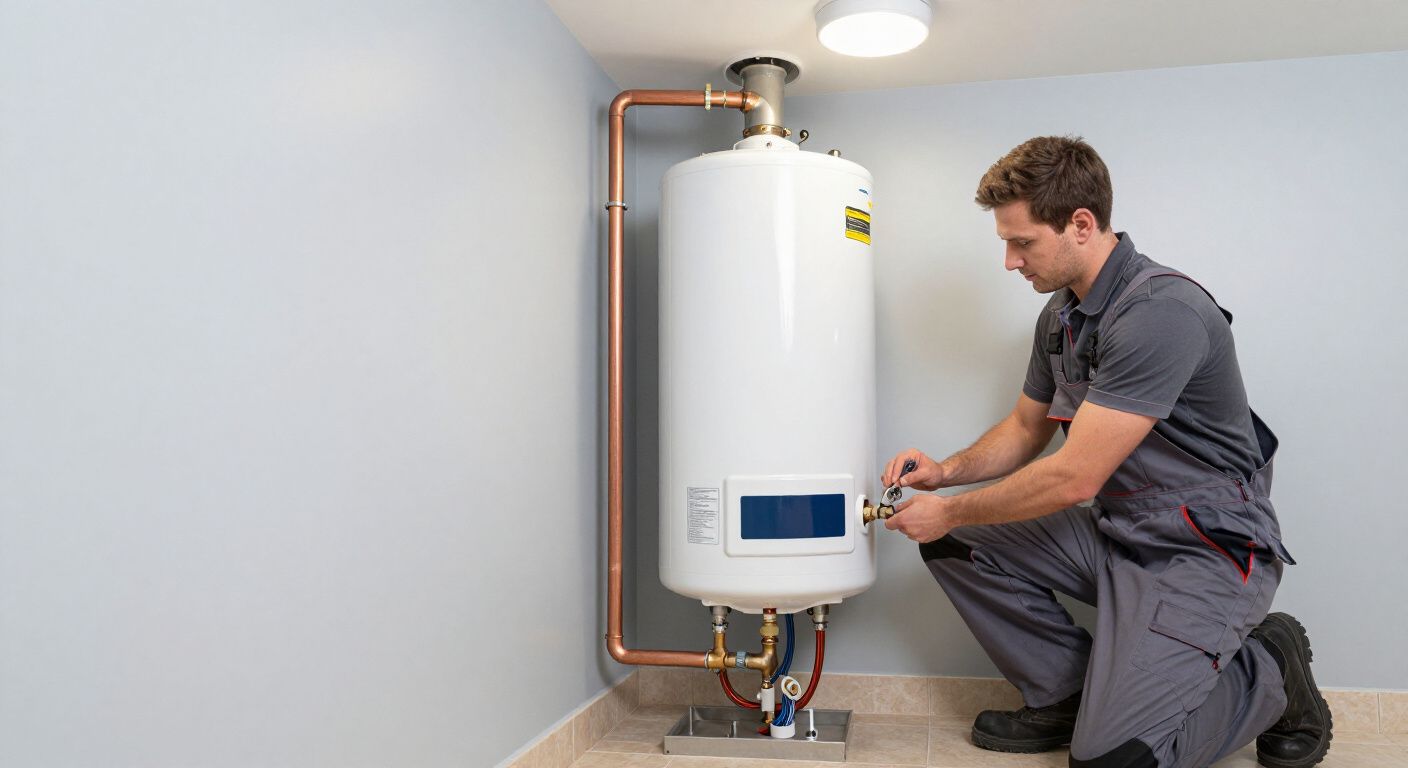
It was supposed to be a simple maintenance job. Drain some water from the heater. Flush out sediment. Close the valve. Get on with my day. Except the last part didn't happen. I turned the drain valve closed, disconnected the hose, and watched water continue dripping onto the garage floor. I tried closing it again. Still leaking. That's when I realized something important. A water heater drain valve that won't close isn't just an inconvenience. It can become a flooding problem. The Mistake I Almost Made My first thought was to grab a wrench and tighten everything. But forcing a damaged or aging valve can make matters worse. The drain valve sits near the bottom of many tank-style water heaters. If its seal fails or the valve becomes damaged, water may continue escaping even after you've attempted to close it. And because the tank holds a substantial amount of water, ignoring an active leak isn't a great plan. What I Should Have Done First The priority isn't figuring out how to force the valve shut. It's controlling the water safely. If your water heater drain valve is leaking: Stop operating the damaged valve. Don't repeatedly force it tighter. Shut off the water supply to the heater, if you can safely identify and operate its dedicated shutoff. Keep water away from electrical equipment. Don't touch wet electrical components. Contact a plumber if the leak continues or the valve cannot be safely isolated. If water is actively escaping and you cannot isolate the heater, the home's main water shut off may be necessary. For a significant leak, the heater may also need to be safely taken out of operation according to its manufacturer's instructions. Avoid operating an electric heater with a potentially empty tank. Here's What Surprised Me Closing the cold-water supply doesn't necessarily make every drip stop immediately. Water already inside the tank may continue escaping through the damaged valve. That's why a plumber needs to assess the valve, the remaining water, and the safest way to repair the problem. Sometimes the drain valve can be replaced. Other times , the heater's age, condition, or surrounding damage may affect the recommendation. A leaking drain valve doesn't automatically mean you need an entirely new water heater. When a Small Leak Becomes an Emergency A slow drip into a properly positioned container is different from water rapidly spreading across your garage. Get urgent help if water is flowing continuously, the leak is worsening, the shutoff won't work, or water is approaching electrical equipment or finished living spaces. And don't attempt to remove a drain valve while the tank is hot or pressurized. Hot water can cause serious burns. The Lesson Routine maintenance is supposed to prevent problems. But occasionally , maintenance reveals a component that was already close to failing. If your water heater drain valve starts leaking, don't turn a manageable repair into a much larger problem by forcing it. Control the water. Protect the surrounding area. Get the valve evaluated. Water Heater Drain Valve Leaking in South Florida? Leading Plumbing Services helps South Florida homeowners diagnose water heater leaks, faulty plumbing connections, and other urgent plumbing problems. Call or text: 561 506 6159 " Sometimes the emergency isn't what broke. It's what happens when you keep trying to force it to work". Author: Nathanael Jolteus