

Water Coming Up Through the Floor? Here's What South Florida Homeowners Should Do Immediately
Nathanael Jolteus • September 2, 2026

Water Coming Up Through the Floor? Here's what South Florida Homeowners Should Do Immediately.


You Wiped Up the Water. Then it Came Back.


There's no overflowing toilet. The sink is dry. And nothing appears to be leaking from the refrigerator, dishwasher or washing machine.

Yet water keeps appearing between the tiles, along the baseboard, or seemingly from underneath the floor itself. 


That changes the diagnosis.


When water appears without an obvious above-floor source, the problem may be occurring beneath the finished flooring or concrete slab. Possible causes range from a concealed plumbing leak to groundwater intrusion or water migrating from another part of the property.


For a South Florida homeowner, the important question isn't simply:


"Where is this puddle coming from?"


But rather it's :


"Is pressurized water escaping underneath my home right now?"


Here's how to respond.


  1. Stop using Water and Watch What Happens


Before assuming the floor itself is the source, reduce water use throughout the house.


Turn off -> faucets, showers, washing machines, dishwashers, irrigation systems and other water-using appliances.


Dry the visible area if you can do so safely.


Then observe whether the water returns or not.

IF it does, especially while nobody is using water, a concealed leak becomes more concerning.


2. Check the Water Meter.


This is one of the most useful homeowner-level diagnostic steps.


Make sure every known water-using fixture and appliance is off, then check the water meter.


If the meter's leak indicator or usage reading continues to change, the water may still be flowing somewhere on the property.

That doesn't tell you exactly where the leak is.


BUT it can tell you something important:


Water may be escaping even though nobody is intentionally using it. 

That warrants professional leak detection.


3. Know When to Shut Off the Main Water.

If water is actively spreading , the meter indicates significant unexplained usage, or you can hear water moving when fixtures are off, shutting off the home's main water supply may help limit additional damage.


However, if you cannot safely identify or operate the shutoff, don't force an unfamiliar valve.


And remember: shutting off the home's plumbing won't stop every possible source of floor moisture.


If water continues appearing after the plumbing supply has been isolated, the source may be elsewhere and requires further diagnosis.


When is Water Coming Through the Floor a Plumbing Emergency?


Treat the situation urgently when -> Water is actively spreading,

the meter shows substantial unexplained usage,

you hear rushing water,

flooring begins lifting or buckling,

water reaches electrical equipment,

multiple rooms become affected,

sewage contamination is suspected,

or

you cannot stop the water source.


If water is near electrical outlets, panels, appliances, or energized equipment, avoid the affected area and address the electrical hazard safely as well.


What Professional Leak Detection Should Actually Determine.


An emergency plumbing diagnosis shouldn't begin with unnecessary demolition.


At Leading Plumbing Services, the objective is accurate diagnosis before invasive repair.


The Bottom Line


Water appearing through a floor is a symptom, not a diagnosis.


It may be a slab leak. It could be a drain problem or it may be water traveling from somewhere else entirely.


But if the water keeps returning, the meter is moving, or moisture is spreading, waiting for the source to become "obvious" can allow for additional damage to occur.


Need Emergency Leak Detection in South Florida?


Call/Text Leading Plumbing Services @ 561 506 6159


We're available for emergency plumbing response, hidden leak diagnosis, under-slab leak detection , and urgent water-line repairs.


Don't guess where the water is coming from. Find the source before the damage spreads.


By Nathanael Jolteus September 5, 2026
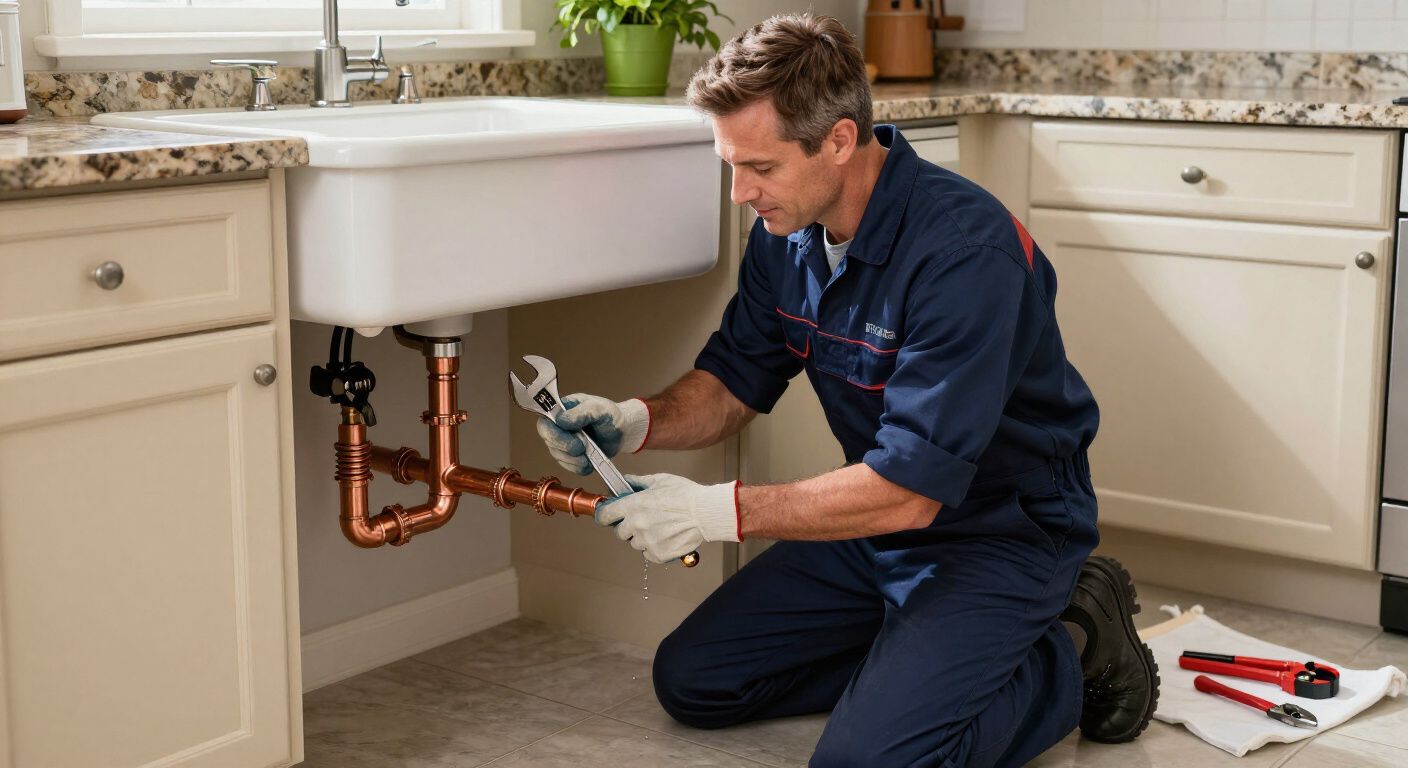
You reach under the sink for something and notice a puddle. Then you see it: water collecting around the small shutoff valve coming out of the wall. It may only be dripping now, but a leaking shutoff valve, also called an angle stop, deserves attention because it's connected directly to your home's pressurized water supply. Here's what to do. FIRST: Figure Out How Serious the Leak Is A few drops around the valve stem is different from water spraying from the connection. If it's actively spraying or the leak is getting worse: -Stop using the fixture. -Put a container or towels underneath if safe. -Don't repeatedly open and close an old or corroded valve. -Shut off the home's main water supply if you cannot control the leak locally. If water is reaching an electrical outlet or appliance, keep away from affected area and address the electrical hazard safely. WHY Do Shutoff Valves Start Leaking? These valves can sit untouched for years. Then one day they're operated and suddenly begin dripping. Possible causes include: A worn valve stem or seal. Internal components deteriorate with age. A leaking connection. Water may be escaping where the valve connects to the supply pipe or fixture supply line. Corrosion. An older valve or connection can weaken enough to begin leaking. A failing supply line nearby. Sometimes the valve isn't actually the source. Water from the flexible supply line above it runs downward and makes the valve appear responsible. That last possbility is why finding the exact leak point matters. When Is This an Emergency? Call a plumber promptly if: -water is spraying instead of dripping -the valve won't completely shut off; - the valve looks heavily corroded; -the leak suddenly becomes worse; -the wall or cabinet is getting wet; -the connected supply line is bulging or damaged; or - you can't stop the water A slow drip may not require a middle-of-the-night response, but it shouldn't be forgotten either. Water leaking inside a cabinet can damage wood, drywall and flooring before the problem looks serious from the outside. DON'T DO THIS If an old valve feels stuck, don't put excessive force on it with pliers. The goal is to stop a leak, not turn an aging valve or connection into a broken pressurized line. If you're unsure, isolate the home's water supply and have the valve inspected. A Small Part Can Still Cause a Big Mess Shutoff Valves are easy to overlook because they're small. But they're also supposed to be your first line of defense when a toilet, faucet or appliance develops a leak. If the shutoff itself doesn't work when you need it, you lose that protection. That's a good reason to repair a leaking or unreliable valve before the next plumbing problem happens. Need a Plumber for a Leaking Shutoff Valve in South Florida? Leading Plumbing Services can identify whether the leak is coming from the valve, connection or supply line and repair the actual source. Call or text Leading Plumbing Services @ 561 506 6159 If water is actively escaping and the fixture valve won't stop it, shut off the main water supply if you can safely do so and get plumbing help as soon as possible. Author: Nathanael Jolteus
By Nathanael Jolteus September 4, 2026
You turn the shower handle to OFF. The water keeps running. You try it again. Nothing. Ugh so annoying. If your shower won't turn off, don't keep forcing the handle. A failed cartridge, valve , or internal component may be preventing the water from shutting off, and a small repair can become a much bigger problem if something breaks behind the wall. Here's what to do. FIRST: STOP the Water If the shower is running normally into an open drain, you have a little time. But you still want to stop the flow as soon as possible. If you know where your home's main water shut off valve is, turn it off. Then: - Keep the shower drain clear -Move anything that could block the drain. -Don't remove the shower handle or valve while the water is still on. -Don't force a stuck handle with tools. If water is escaping outside the shower or entering a wall, treat it as an active plumbing emergency. Why Won't the Shower Shut OFF? Usually , the problem is inside the shower valve. Common possibilities include: A failed cartridge. The cartridge controls water flow and temperature. When it wears out or breaks, turning the handle may no longer stop the water. A damage valve stem or internal component. The handle can move normally while the parts behind it no longer respond correctly. Mineral buildup. Deposits can interfere with moving components and make an aging valve harder to operate. A broken handle connection. Sometimes the handle turns, but it isn't actually moving the valve mechanism behind the wall. The important part: don't assume you need to replace the entire shower valve until the problem has been properly diagnosed. When Should You Call an Emergency Plumber? Get help quickly if: - the shower is running at full flow and won't stop - the main shutoff doesn't work; -the water is leaking from behind the handle or wall; - the shower is overflowing because the drain can't keep up; -you hear water running inside the wall; or - shutting off the shower affects the rest of the plumbing unexpectedly. If the water is safely draining, you may have time to arrange a repair, but leaving the shower running wastes water and puts unnecessary stress on the situation. ONE Mistake to Avoid Don't start taking the valve apart while the plumbing is pressurized. Removing the wrong component with the water supply is still on can turn a shower that won't shut off into water spraying directly from the wall. Get the water isolated first. Diagnose second. Need Help With a Shower That Won't Turn Off in South Florida? A shower that keep running is frustrating, but the solution may be relatively straightforward when it's handled before additional damage occurs. Leading Plumbing Services LLC can diagnose the valve, determine what actually failed, and make the appropriate repair. Call or text Leading Plumbing Services: 561 506 6159 If water is actively escaping into the bathroom, wall or surrounding rooms, shut off the home's water supply if you can safely do so and get plumbing help right away. Author: Nathanael Jolteus