

Water Pooling in Your Yard? Here’s Why It Happens and What It Means for Your Home in South Florida
Nathanael Jolteus • December 8, 2025

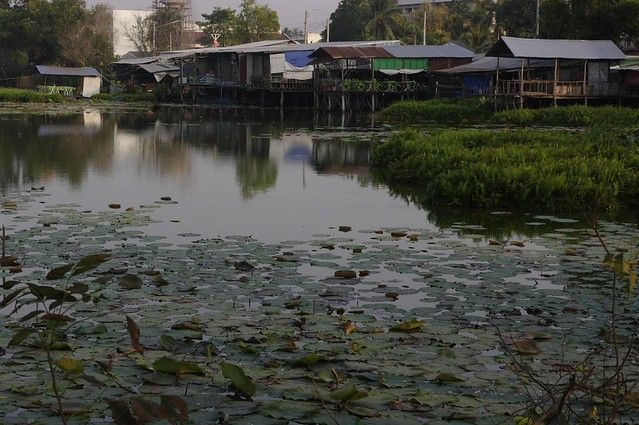
If you notice water pooling in your yard, especially after rain or anytime your irrigation runs, it’s a major sign your property isn’t draining properly. That standing water can cause huge problems over time, especially in South Florida where soil, weather, and humidity combine to trap moisture around your home and foundation.


Most homeowners think this is “just because it rained,” but pooling water almost always reveals a deeper drainage issue underneath the surface.


Let’s break it down in plain English 


1. Improper Yard Drainage

In many Florida neighborhoods, homes were built without proper drainage systems, or with systems that simply can’t handle heavy rainfall.


Common issues:


  • yard slopes toward house

  • soil doesn’t absorb fast enough

  • no french drains

  • outdated drainage

  • trenches filled with debris

  • clogged gutters overflowing into yard

When water has nowhere to go, it sits.


2. Heavy Florida Rainfall

South Florida storms dump water suddenly and intensely, way more than most yards can handle.


Even high-end neighborhoods experience:

  • fast flooding

  • standing puddles

  • soggy soil

  • overflowing gutter lines

Florida rain overwhelms drainage systems constantly.


3. Sprinkler System Running Too Long

If your irrigation runs too frequently, soil becomes over-saturated and water will pool.


Many South Florida yards have:


  • automatic sprinkler schedules that are too frequent

  • sprinklers running during rainy weeks

  • zones over-watering foundation or walkways

Over-watering leads to constant standing water.


4. Clogged Drainage Lines

Many homes have underground drain lines, but most are never cleaned or inspected.


Clogs come from:

  • dirt

  • debris

  • tree roots

  • sand and soil

  • leaves

  • landscape debris

Once clogged, water backs up into the yard.


5. Broken Underground Pipes

This is a BIG one.


If a water supply or irrigation pipe is cracked underground, water slowly leaks into soil and rises to the surface.


Signs:

  • wet spots even when it hasn’t rained

  • grass greener in one patch

  • mud forming in a certain area

  • puddles near driveway or foundation

This requires plumbing inspection ASAP.


6. Sewer or Septic Problems

A sewer line leak or septic overflow can push wastewater into your lawn.


Warning signs:


  • bad smell

  • sinkholes

  • standing water near drain field

  • lush grass near septic area

  • sewage smell after rainfall

Call a professional immediately if ANY of these happen.


7. Foundation Damage

Heavy, wet soil can apply pressure to foundation walls.


High-risk areas:

  • near exterior walls

  • around the house perimeter

  • around AC units

  • near water heater waste lines

  • near utility rooms

This is serious and costly if ignored.


8. Mosquito & Mold Growth

Standing water = mosquito breeding and mold growth.


South Florida humidity makes this worse FAST.


Risks:

  • mosquito infestation

  • mold near foundation

  • slippery walkways

  • algae growth

  • bacteria buildup

  • pests (like frogs and rodents)


9. What Homeowners Should Do Immediately


✔ document the pooling area

✔ check rain gutters

✔ adjust sprinkler schedule

✔ look for greener patches

✔ avoid walking in the water

✔ call plumbing/drainage professional


Do NOT just ignore it , this can affect your home long term.


10. When It’s a Plumbing Problem

Call a plumber ASAP if:


  • pooling happens without rain

  • water smells unusual

  • grass is greener in one spot

  • area is mushy all the time

  • pooling near foundation

  • pooling near AC area

  • water appears after using plumbing

These indicate underground pipe leaks.


11. How We Fix Yard Pooling Problems

At Leading Plumbing Services LLC , we:


  • inspect drainage systems

  • locate underground leaks

  • diagnose irrigation over-watering

  • inspect sewer lines

  • install french drains

  • add drainage channels

  • replace leaking pipes

  • identify septic drainage issues

  • make yard slope corrections

We solve the cause, not just the puddles.


12. Prevention Tips


✔ clean drains yearly

✔ adjust sprinklers seasonally

✔ install proper yard drains

✔ redirect gutter flow

✔ inspect irrigation leaks

✔ monitor after storms


Homeowners save THOUSANDS by acting early.


Final Thoughts


If you have water pooling in yard, it’s a sign water has nowhere to go, or worse, something underground is leaking.


In South Florida, ignoring standing water often leads to:


  • foundation damage

  • flooded driveways

  • mold growth

  • mosquito infestation

  • sewer issues

  • septic problems

Call/Text us if pooling water keeps coming back:


(561) 506-6159



By Nathanael Jolteus December 29, 2025
A dishwasher flood escalates in minutes. Water spreads across cabinets, under appliances, into adjacent rooms, and down into flooring seams before most homeowners realize how serious it is. If you’re dealing with a dishwasher flooding emergency , this is not something to mop up and monitor. In South Florida homes, dishwasher floods are often caused by drain or sewer problems , not the dishwasher itself. This guide explains exactly what to do right now, why dishwasher floods happen, and when this becomes a same-hour plumbing emergency. STEP 1: Stop the Dishwasher and Shut Off the Water Act immediately. press STOP / CANCEL on the dishwasher turn off the water supply valve under the sink if water continues, shut off the main water supply Dishwashers discharge water quickly, every second matters. STEP 2: Do NOT Run the Kitchen Sink or Garbage Disposal This is critical. Dishwashers usually drain into: the kitchen sink drain the garbage disposal a shared branch line Running the sink or disposal can force more water back into the dishwasher and onto the floor. STEP 3: Contain the Water (Safely) While waiting for help: move items off the floor place towels to protect cabinets avoid stepping in pooled water near outlets Kitchen floods spread under base cabinets where damage isn’t immediately visible. Why Dishwashers Flood (Emergency Causes) 1. Blocked Kitchen Drain or Branch Line This is the most common cause. When the drain is restricted by: grease buildup food debris biofilm mineral scale …the dishwasher pumps water faster than the drain can handle, causing instant overflow. 2. Garbage Disposal or Air Gap Issues If your dishwasher drains through: a clogged disposal a blocked air gap …water has nowhere to go and backs up into the dishwasher or sink. 3. Main Drain or Sewer Line Problems If flooding happens alongside: gurgling in other drains slow toilets backups elsewhere …the dishwasher is exposing a system-level failure , not a local clog. 4. Aging Cast Iron Pipes (South Florida Factor) Older South Florida homes often have cast iron drains that: corrode internally narrow over time trap grease and debris Dishwashers are often the first fixture to flood when these pipes begin failing. 🚫 What NOT to Do During a Dishwasher Flood ❌ Do NOT keep running the dishwasher ❌ Do NOT plunge the sink aggressively ❌ Do NOT use chemical drain cleaners ❌ Do NOT assume it’s “just the appliance” ❌ Do NOT ignore water under cabinets Appliance replacement won’t fix a failing drain system. When This Becomes a SEWAGE EMERGENCY Treat it as urgent if: water smells foul water is dark or greasy backups appear in other fixtures flooding worsens when other drains are used This indicates drain or sewer involvement , not a dishwasher defect. Hidden Damage Dishwasher Floods Cause Even short flooding events can lead to: cabinet base swelling warped flooring mold growth behind kick plates damage under dishwashers and fridges leaks spreading into adjacent rooms In South Florida humidity, mold can begin forming within 24–48 hours . When to Call an Emergency Plumber IMMEDIATELY Call right away if: water is actively spreading flooding repeats during cycles multiple drains are slow or backing up the home has older plumbing flooding happened suddenly sewage odor is present These are same-hour emergencies. How Emergency Plumbers Handle Dishwasher Floods At Leading Plumbing Services , emergency response includes: stopping active flooding clearing kitchen and branch drains inspecting disposal and air gap connections camera-inspecting drain lines identifying cast iron or sewer issues preventing repeat flooding We fix the cause , not just the mess. Why Waiting Almost Guarantees It Happens Again Dishwasher floods don’t resolve themselves. Waiting often results in: worse drain restrictions larger floods cabinet replacement mold remediation emergency sewer repairs Early intervention usually limits damage to the drain line only. South Florida Emergency Reality In South Florida, dishwasher flooding emergencies are frequently the first visible sign of failing kitchen drain infrastructure, especially in homes with older pipes and heavy grease buildup. The dishwasher didn’t cause the problem. It exposed it. Final Emergency Guidance If your dishwasher is flooding the kitchen, shut it off immediately and stop using nearby plumbing. Call a professional before water damage spreads under cabinets and into floors. Call/Text Leading Plumbing Services now for 24/7 emergency dishwasher flooding and drain repair: (561) 506-6159
By Nathanael Jolteus December 29, 2025
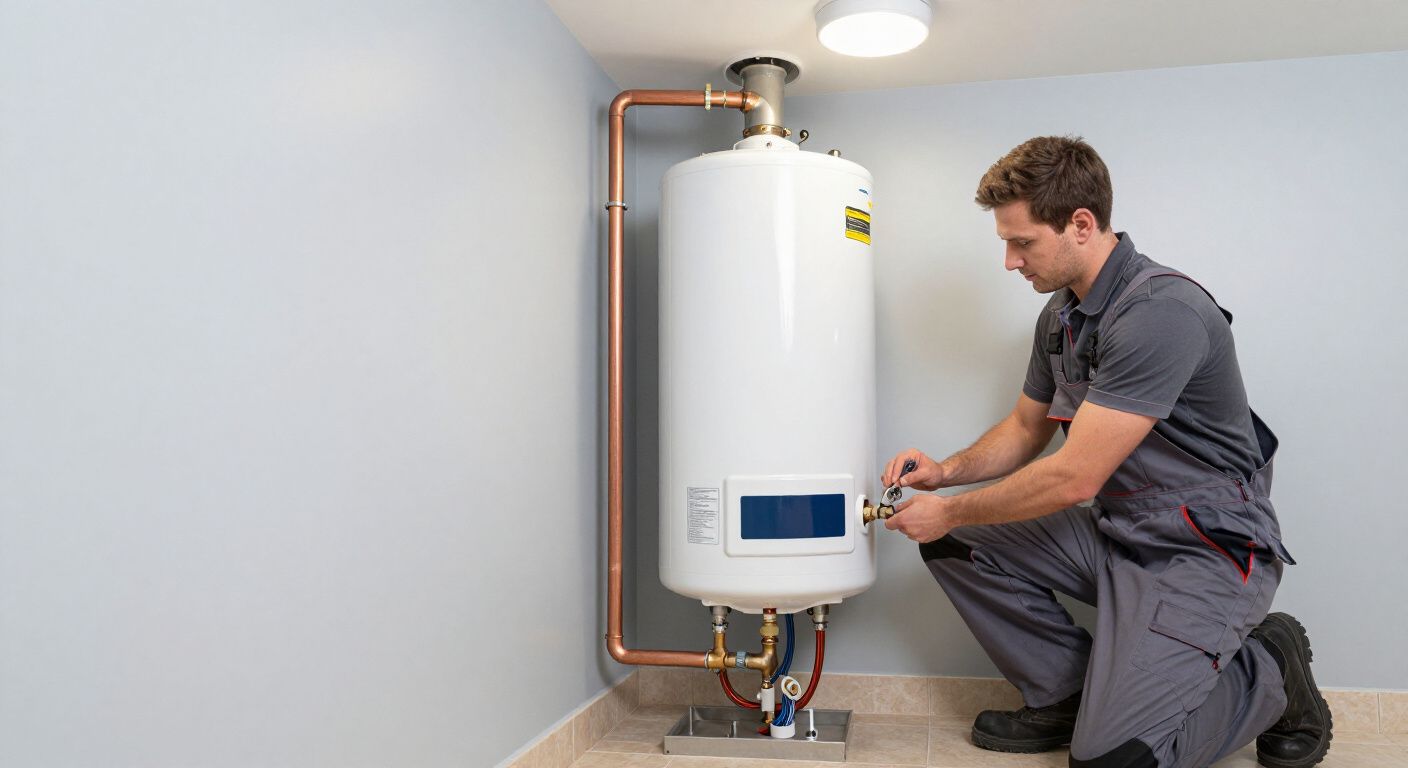
You turn the handle expecting hot water , and get nothing. No warmth. No gradual cooling. Just cold water everywhere. When hot water suddenly disappears , it’s rarely a coincidence and often signals a failure that can escalate quickly if handled incorrectly. A no hot water emergency isn’t just inconvenient. In many cases, it’s the first sign of pressure issues, internal tank failure, gas or electrical shutdowns, or leaks that haven’t surfaced yet. This guide explains what to check immediately , what not to touch, and when this becomes a same-hour plumbing emergency. FIRST: Confirm It’s the Whole House Check: multiple sinks showers tubs If all fixtures are cold, the issue is not local ,it’s system-level. If only one fixture is affected, the problem may be isolated and less urgent. SECOND: Check for Visible Warning Signs Before touching anything, look for: water pooling near the water heater damp flooring rust or corrosion unusual noises (popping, hissing) gas or burning smells If any of these are present, stop and call immediately. Why Hot Water Fails Suddenly (Emergency Causes) 1. Water Heater Leak or Internal Failure Many heaters shut down when: internal leaks develop pressure becomes unstable tanks begin to fail The hot water stops before flooding begins , a critical early warning. 2. Gas Supply or Control Failure For gas water heaters: pilot light failure gas valve malfunction safety shutdown Gas-related failures should never be re-lit blindly. 3. Electrical Failure or Breaker Trip Electric heaters may lose power due to: failed heating elements wiring issues overheating shutoffs Repeated resets indicate a deeper problem. 4. Pressure or Expansion Issues Excess pressure can: trigger safety valves force heaters offline accelerate tank damage Pressure problems often appear as “no hot water” first. 🚫 What NOT to Do During a No Hot Water Emergency ❌ Do NOT keep resetting breakers ❌ Do NOT relight pilots repeatedly ❌ Do NOT turn the temperature higher ❌ Do NOT ignore leaks or moisture ❌ Do NOT assume it’s “just old” These actions often turn a repairable issue into a full replacement. Why This Is Riskier in South Florida South Florida water heaters fail faster due to: mineral-heavy water year-round usage sediment buildup high humidity accelerating corrosion Many systems here reach critical failure years earlier than expected. Hidden Damage Homeowners Miss Sudden hot water loss may indicate: tank corrosion internal leaks draining into slabs pressure relief discharge gas venting issues electrical overheating The absence of hot water is often the symptom , not the problem. When This Is a SAME-HOUR Emergency Call immediately if: hot water stopped suddenly water is visible near the heater gas smell is present popping or hissing noises occur the heater is 6–8+ years old the shutdown followed pressure changes These are do-not-wait situations. How Emergency Plumbers Handle No Hot Water Calls At Leading Plumbing Services , emergency response includes: safe shutdown of gas or power identifying leak vs control failure pressure testing inspecting heating elements or burners determining repair vs replacement preventing sudden tank rupture We focus on preventing escalation first. Why Waiting Can Turn This Into a Flood Many water heaters fail in stages: hot water stops pressure becomes unstable internal corrosion worsens tank ruptures Catching it at stage one saves thousands. South Florida Emergency Reality In South Florida, no hot water emergencies are often the first visible sign of a failing water heater. Homes that wait often end up dealing with leaks, flooding, or gas-related hazards shortly after. Final Emergency Guidance If your home suddenly has no hot water, treat it as a warning , not just an inconvenience. Avoid resets and guesswork, and call a professional before the system fails completely. Call/Text Leading Plumbing Services now for 24/7 emergency no-hot-water diagnosis: (561) 506-6159