

Water Stain on Your Ceiling? Here’s What It Means (And Why Florida Homeowners Should Act Fast)
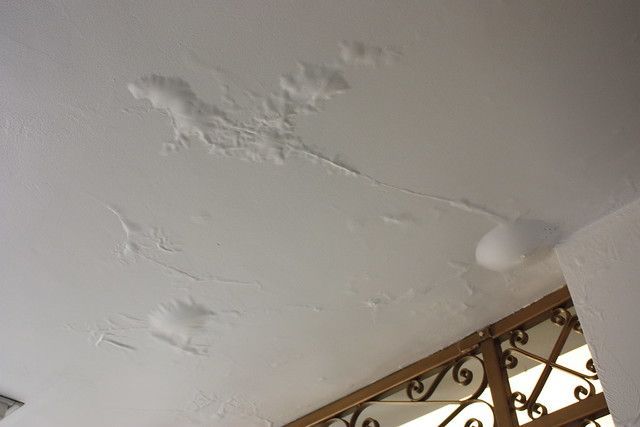
Seeing a water stain on the ceiling is one of the most stressful moments for any homeowner, because it almost always means water is leaking somewhere above it.
Even small stains indicate a real issue, and ignoring them usually leads to mold, damaged drywall, and costly repairs.
In South Florida, this is especially urgent because humidity + trapped moisture = rapid mold growth in as little as 48–72 hours.
Let’s walk through EXACTLY what’s happening, what it means, and what to do next.
1. A Water Ceiling Stain Means Water Has Already Been Leaking
Ceiling stains don’t appear instantly.
They form after water has already been present long enough to soak through:
- insulation
- drywall
- ceiling paint
This means moisture has been sitting there for a while.
The leak is already active, even if you don’t see dripping yet.
2. The Source Might Not Be Directly Above the Stain
This confuses homeowners a LOT.
Water travels through:
- beams
- insulation
- framing
- ceiling layers
So the stain may be several feet away from the actual leak.
3. Most Common Causes
✔ Plumbing leak upstairs
(majority of cases)
✔ AC condensation
EXTREMELY common in South Florida
✔ Roof leak
especially after storms
✔ Shower or tub leaks
water escapes through flooring
✔ Toilet flange leak
water spreads before showing
✔ Pipe burst or crack
inside walls or ceiling
4. Bathroom Directly Above Stain?
Then 9 out of 10 times, the cause is:
- tub drain leak
- wax ring failure
- shower pan leak
- plumbing leak
- supply line leak
- cast iron drain corrosion
Bathrooms upstairs = major ceiling leak risk.
5. If the Stain Grows, Leak Is Active
Most homeowners ignore early stains.
But if the stain expands even slightly, the leak is ongoing.
Watch for:
- stain growing each week
- color darkening
- yellow or brown edges
- circular spreading
- water smell
Bigger stain = bigger problem.
6. If the Ceiling Feels Soft —> Call Immediately
Soft drywall means water saturation, which means mold risk is already high.
Soft areas may collapse, especially under large leaks.
7. Water Stains After Storms
Very common for:
- roof leaks
- shingles damaged
- flashing issues
- wind-driven rain
- moisture blown into attic
Florida storms cause thousands of roofing leaks every year.
8. Water Stain + Musty Smell
That’s mold.
Mold thrives in:
- humid areas
- behind ceilings
- inside insulation
- between drywall layers
Humidity accelerates mold like crazy in Florida homes.
9. DO NOT Just Paint Over It
Most homeowners do this, and it’s the WORST mistake.
Paint hides the stain but traps moisture inside.
Mold spreads for months unseen.
10. What You Should Do Immediately
✔ do NOT ignore
✔ investigate rooms above
✔ check bathrooms for leaks
✔ inspect AC drip pans
✔ look under sinks
✔ check around toilets
✔ feel ceiling for softness
A ceiling stain is ALWAYS worth inspecting.
When You Need a Plumber
Call a professional if:
- stain grows
- ceiling feels soft
- dripping occurs
- discoloration spreads
- mold smell develops
- bathroom is above stain
- air conditioning near stain
- multiple stains form
These almost always mean ongoing moisture.
Professional Inspection (What We Actually Do)
At Leading Plumbing Services LLC , we:
- locate exact leak source
- check plumbing above stain
- inspect AC drain lines
- examine shower pans
- test wax ring
- evaluate pipe integrity
- inspect supply lines
- check cast iron sections
We find the leak, stop it, and prevent further water damage.
Florida-Specific Ceiling Leak Danger
Humidity + moisture in ceiling = perfect mold environment.
South Florida conditions accelerate:
- drywall rot
- ceiling collapse
- mold spread
- sub-floor damage
- structural rot
That’s why water stains spread faster here than most states.
Final Thoughts
A water stain on ceiling is never cosmetic, it always means moisture is already inside your ceiling.
Ignoring it leads to:
- mold
- drywall damage
- structural issues
- electrical hazards
- expensive repairs
Call/Text us immediately if you see a water stain forming:
(561) 506-6159