

When the Water Isn’t Coming From a Pipe , It’s Coming From the System Itself
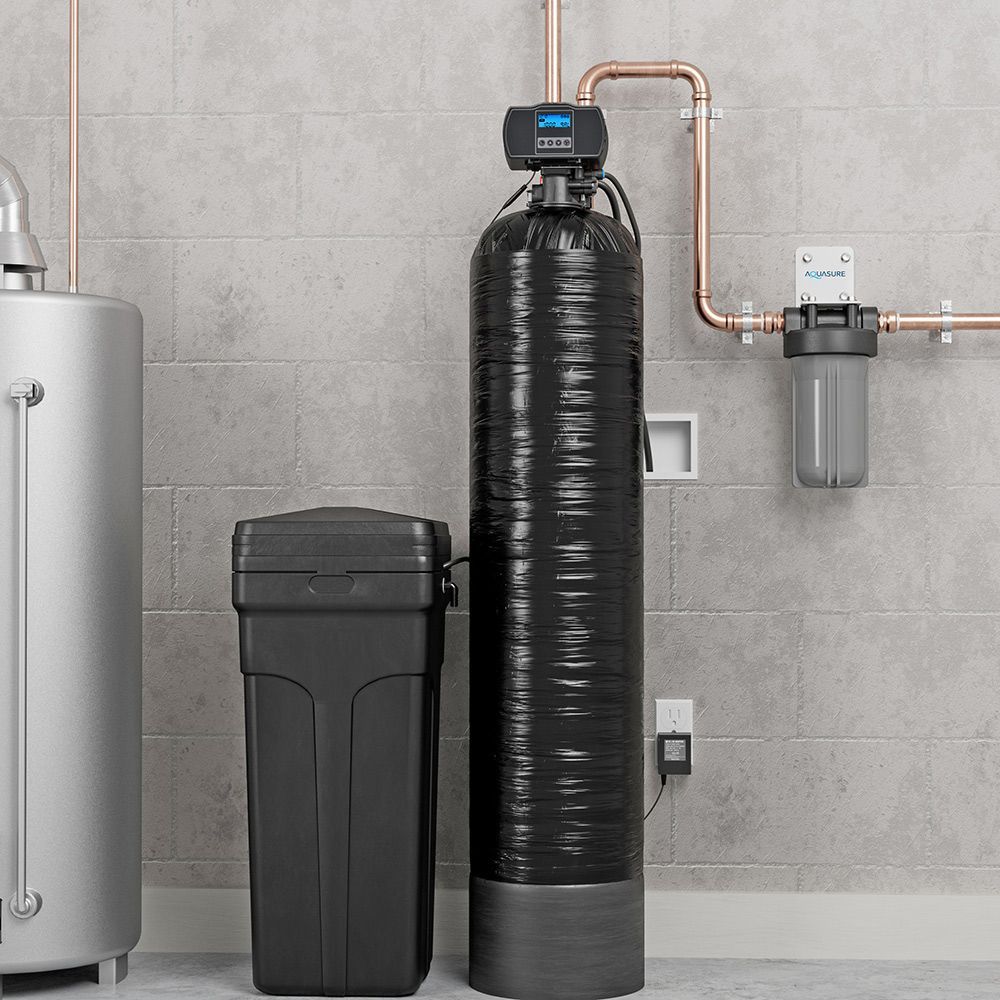
You walk into the garage and see water pooling near the water softener.
It’s not spraying.
It’s not coming from the ceiling.
It’s coming from the unit.
A water softener leaking emergency is often mistaken for a minor drip, but softener failures can release large volumes of water quickly, especially during regeneration cycles.
In South Florida, where softeners run frequently due to mineral-heavy water, system leaks are more common than homeowners realize.
This guide explains what to do immediately, what causes softener leaks, and when this becomes a same-hour plumbing emergency.
FIRST: Bypass or Shut Off the Softener Immediately
Most softeners have a bypass valve.
- switch the system to
BYPASS mode
- if unsure, shut off the main water supply
- unplug the softener
- stop any active regeneration cycle
Stopping flow prevents further flooding.
Why Water Softeners Start Leaking
Softener systems contain multiple internal components that can fail.
1. Cracked Resin Tank
The main tank may:
- develop stress cracks
- weaken over time
- leak at the base seam
If water seeps from the tank body, replacement is often required.
2. Brine Tank Overflow
The salt tank may overflow due to:
- stuck float valves
- malfunctioning refill controls
- clogged brine lines
Overflow can flood the surrounding area quickly.
3. Failed O-Rings or Valve Seals
Internal seals degrade from:
- constant pressure
- mineral buildup
- age
This leads to steady dripping or pooling.
4. High Water Pressure (Common in South Florida)
Excess pressure stresses:
- softener control heads
- internal valves
- tank fittings
Pressure-related failures are frequent in this region.
🚫 What NOT to Do During a Softener Leak
❌ Do NOT ignore pooling water
❌ Do NOT keep the system regenerating
❌ Do NOT assume it’s condensation
❌ Do NOT leave the system pressurized
❌ Do NOT delay if the garage floor is wet
Softener leaks can release significant water volume.
Hidden Damage Water Softener Leaks Cause
Even slow leaks can result in:
- garage flooding
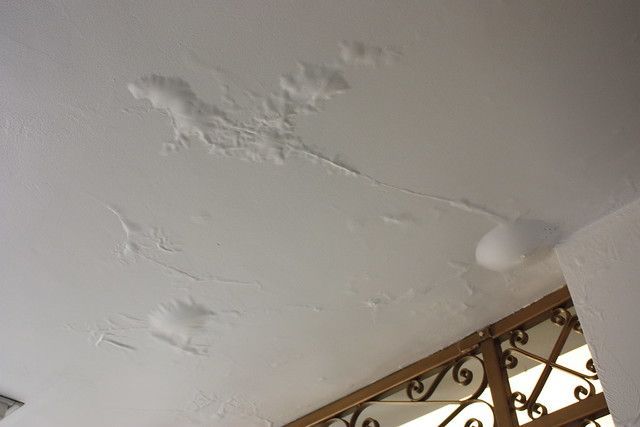
- drywall damage
- baseboard swelling
- mold growth
- corrosion of nearby appliances
- slab moisture intrusion
Moisture spreads quickly in humid climates.
Why This Escalates Faster in South Florida
South Florida homes face added risk because:
- softeners regenerate frequently
- mineral content is high
- slab foundations conceal early moisture
- humidity slows evaporation
Here, small softener leaks often become structural moisture problems.
When This Is a SAME-HOUR Emergency
Call an emergency plumber immediately if:
- water spreads rapidly across the garage
- the brine tank overflows
- pressure fluctuates in the home
- water continues flowing in bypass
- the unit is older than 8–10 years
- the leak started suddenly
These indicate active component failure.
How Emergency Plumbers Handle Softener Leak Emergencies
At Leading Plumbing Services, emergency response includes:
- isolating the softener system
- diagnosing tank vs valve failure
- repairing damaged connections
- replacing cracked tanks
- evaluating pressure levels
- preventing repeat flooding
We address the source of failure and protect surrounding structures.
Why Waiting Makes Repairs More Expensive
Homeowners who delay often face:
- soaked drywall
- mold remediation
- slab moisture issues
- replacement of adjacent appliances
- full system replacement under emergency conditions
Early intervention prevents secondary damage.
South Florida Emergency Reality
In South Florida, water softener leaking emergencies are increasingly common as systems age under constant mineral stress.
The puddle you see may be the beginning of a larger failure.
Final Emergency Guidance
If your water softener is leaking or overflowing, switch it to bypass immediately and call a professional. Softener leaks don’t fix themselves, and flooding spreads quickly.
Call/Text Leading Plumbing Services now for 24/7 emergency water softener repair and flooding prevention:
561 506 6159