

You Flush the Toilet. Water Comes Up the Shower Drain. What's Going On?
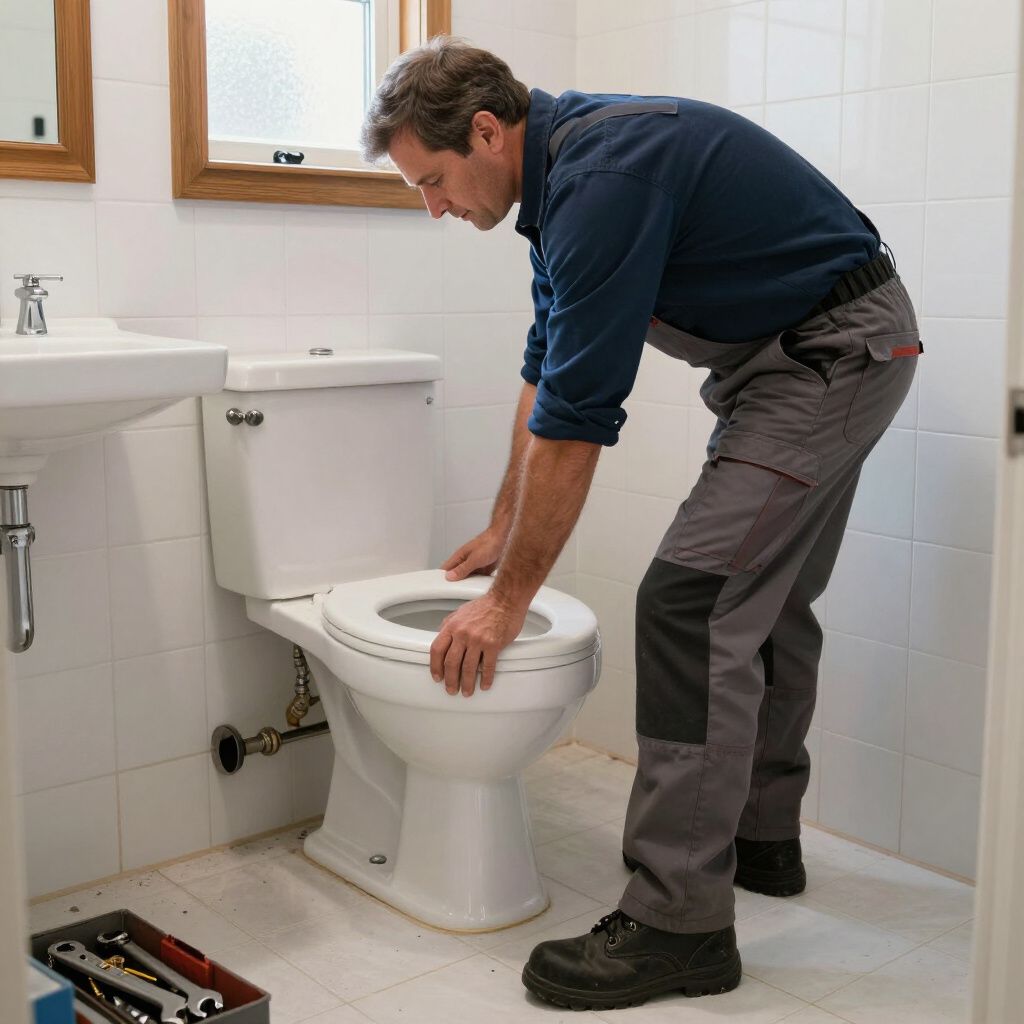
Flush.
Then you hear it.
Glug. Glug.
A few seconds later, water starts rising through the shower drain.
That combination is important.
Your toilet and shower are separate fixtures, but they eventually connect to the same drainage system. If flushing one fixture causes water to appear in another, the problem may be farther downstream than either fixture.
In plain English:
The water may have nowhere else to go.
Why Would Flushing a Toilet Affect the Shower?
Picture your drain system like several roads merging onto a highway.
The toilet has its route.
The shower another.
And further downstream, those routes connect.
If there's a significant restriction after that connection, wastewater from the toilet can encounter the blockage and begin moving toward another available opening.
Because shower drains sit low to the floor, they're often where homeowners first notice trouble.
So the shower itself may be perfectly fine.
The backup is the clue.
Here's the Quick Test
Only the toilet is clogged?
You may have a localized toilet obstruction.
Toilet flushes and the shower gurgles?
A shared drain restriction becomes more concerning.
Water actually rises through the shower drain?
Stop using the affected plumbing.
Multiple toilets, tubs, or showers are backing up?
Now you're seeing signs consistent with a larger drain or sewer problem.
At this point, repeatedly plunging one fixture isn't a good diagnostic strategy.
What Should You Do Right Now?
Stop flushing the toilet.
Then minimize water use throughout the house.
Avoid running the:
-shower;
-washing machines;
-dishwasher; and
-other high-volume fixtures.
If wastewater is already entering the shower, keep people and pets away from it.
And resist the temptation to "test it one more time."
That next flush is simply more water entering a drainage system that's already struggling to carry it away.
When Should You Call An Emergency Plumber?
Get help promptly if:
-sewage is entering the shower;
-the water level keeps rising;
-several drains are affected;
-toilets begin bubbling or overflowing;
-you smell sewage inside the home; or
-you can no longer use essential plumbing without causing another backup.
A recurring problem deserves investigation even if the water eventually drains away.
A blockage temporarily draining doesn't necessarily mean the underlying problem disappeared.
What Could Be Blocking the Line?
Possible causes include accumulated debris, a significant clog, root intrusion, damaged piping, or deterioration that has reduced the usable opening inside the drain.
The right repair depends on the cause.
That's why there's an important difference between:
"We got the drain flowing again."
and
"We figured out why this keeps happening."
Recurring backups may justify further inspection of the drainage system.
One Rule Worth Remembering
Your plumbing fixtures shouldn't communicate with each other like this.
A toilet shouldn't make your shower fill.
A washing machine shouldn't make a toilet bubble.
A sink shouldn't push water into a floor drain.
When using Fixture A creates a problem at Fixture B, start thinking beyond that individual fixture.
The drainage system may be telling you where to look.
Toilet Causing a Shower Backup in South Florida?
If flushing your toilet sends water or sewage into the shower, stop adding water to the drainage system and get the cause diagnosed.
Call or text Leading Plumbing Services at 561 506 6159
"The shower isn't necessarily where the problem started. It's simply where your plumbing system finally showed you something was wrong. "
Author: