

Your Toilet Just Bubbled by Itself. Don't Flush It Yet.
Nathanael Jolteus • September 13, 2026

You're sitting in another room when you hear it:


Glug.


Then again.


Glug-glug.


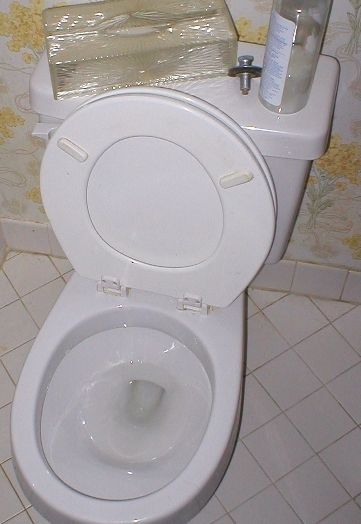
You walk into the bathroom and see bubbles coming from the toilet, even though nobody flushed it.


Weird? Yes.


Random? Probably not.


A gurgling or bubbling toilet can be your drainage system telling you that air and wastewater aren't moving through the pipes normally.


And sometimes, that sound comes before the backup.


What Is the Toilet Trying to Tell You?

Your drains need both proper wastewater flow and airflow.


When something interferes with that system, pressure can push or pull air through the water sitting inside the toilet bowl.


The results?


Bubbles. Gurgling. Water-level changes.


Possible causes include a drain restriction, a problem farther down the sewer line, or an issue affecting the plumbing vent system.


The sound alone doesn't tell you which one.


The other symptoms do.


One Bubbling Toilet vs. Several Strange Fixtures


Here's where things get more interesting.


Only one toilet is acting strange?


The problem may be relatively localized.


The toilet bubbles when another fixture drains?


Pay closer attention.


The toilet gurgles while the washing machine empties?


That larger volume of wastewater may be exposing a downstream restriction.


Several toilets and drains are suddenly gurgling?


Now a larger drainage problem becomes more concerning.


Plumbing problems often reveal themselves through patterns, not individual symptoms.


The Combination You Shouldn't Ignore


A bubbling toilet becomes much more urgent when it's accompanied by:

-slow drains;

-sewage odors;

-water rising in the shower;

-toilets that won't flush normally;

-wastewater appearing in another fixture; or

-multiple affected bathrooms.


If you see those symptoms together, stop repeatedly flushing to test the toilet.


You may simply be adding more water behind an obstruction.


"But Everything Still Drains Eventually"

That's reassuring , but it doesn't necessarily clear the system.


A partially restricted drain can still allow water through.


Until it can't.


Think of it like traffic squeezing through one open lane. Cars are still moving, but the system has much less capacity than it should.


Someone showers.


Another person flushes.


Suddenly, the system gets more flow than the restriction can handle.


That's when a strange noise can become wastewater on the floor.


What Should You Do?

If it's an isolated gurgle with no other symptoms, monitor the plumbing.


If it keeps happening, have it investigated.


If multiple fixtures are affected or sewage begins backing up, minimize water use and get plumbing help promptly.


AND skip the chemical drain cleaner when you don't know where the restriction is. A whole-house drainage problem isn't something you can reliably diagnose by pouring chemicals into the nearest fixture.


Toilet Gurgling or Bubbling in South Florida?

Don't wait for sewage on the bathroom floor before taking recurring drainage symptoms seriously.


Leading Plumbing Services can diagnose the drainage system, locate the source of the problem and determine what actually needs to be cleared or repaired.


Call or text Leading Plumbing Services: 561 506 6159


"Sometimes the first warning of a sewer backup isn't water coming up. It's the sound your plumbing makes before it does."


Author: Nathanael Jolteus

By Nathanael Jolteus September 20, 2026
Plumbing Dispatch - 7:42 PM Homeowner : "I think my washing machine is leaking." First question : "Is the water actually coming from the machine?" Homeowner : "I'm not sure. It's running down the wall behind it." That answer changes everything. Sometimes the washing machine gets blamed for a leak that's actually coming from the water-supply valves, hoses, drain connection, or washing machine outlet box behind it. Here's how to handle it without making the situation worse. DISPATCH: Is water actively spraying? HOMEOWNER : Yes. -> ACTION: Stop the washing machine. If you can safely reach the hot and cold washing-machine shutoff valves, close them. If the valves don't stop the water, or you can't safely reach them, shut off the home's main water supply if you know how. Don't reach behind a wet appliance if doing so could expose you to an electrical hazard. DISPATCH: The machine is off, but water is still coming out? That's an important clue. If water continues flowing while the appliance isn't operating, the problem may involve the pressurized water supply , rather than the washing machine itself. POSSIBLE sources include: - a damaged supply hose; - a leaking shutoff valve; - a loose connection; or -plumbing concealed behind the laundry box or wall. DISPATCH: It only leaks when the washer drains? Different clue. Now the drain side deserves attention. The washer releases a significant amount of water during its drain cycle. If the standpipe or downstream drain can't accept that flow properly, water may back up or overflow around the laundry connection. Don't immediately assume you need a new washing machine. WHEN the leak happens matters almost as much as WHERE you see it. DISPATCH: Should I pull the washer away from the wall? Only if you can do so safely. A washing machine is heavy and suddenly moving one can tug on already-damaged hoses or connections. If water is actively spraying behind it, stopping the home's water supply may be safer than wrestling with the appliance while the leak continues. DISPATCH PRIORITY : URGENT Get plumbing help promptly when: -> Water won't stop after closing the laundry valves -> A valve or hose is spraying under pressure. -> Water is disappearing into the wall or flooring -> The drain overflows every time the washer empties -> The main water shut off doesn't work. -> Water has reached outlets or electrical equipment. Keep clear of wet electrical equipment and address that hazard appropriately. DISPATCH: "The water stopped. Are we good?" Not quite. Stopping the water solves the first problem. You still need to determine: What failed? And: Where did the escaped water go? Water can travel underneath flooring, behind baseboards , and into wall cavities before you see the full extent of it. A dry-looking laundry room tomorrow doesn't automatically mean everything behind the wall is dry. FINAL DISPATCH NOTE If the washing machine area suddenly floods, remember this: Leak while filling? Investigate the supply side. Leak while draining? Investigate the drainage side. Leak even when the machine is off? Take a pressurized plumbing leak seriously That's far more useful than simply assuming: "The washer broke". Laundry Plumbing Emergency in South Florida? Leading Plumbing Services can determine whether the problem is coming from the supply valves, connections, hoses, drain system, or plumbing behind the wall. Call or text Leading Plumbing Services: 561 506 6159 "First stop the water. THEN find out why it escaped."  Author: Nathanael Jolteus
By Nathanael Jolteus September 18, 2026
The shower is stronger than usual. The kitchen faucet practically blasts water into the sink. For a moment, it feels like an upgrade. Then you hear a pipe bang when the faucet closes. A toilet starts making an unfamiliar noise. A faucet begins dripping. Sometimes suddenly high water pressure isn't better water pressure. It's a warning. Your House Has a Pressure Limit Think about everything connected to your water supply. Faucets. Toilets. Water heater. Dishwasher. Washing machine. Supply lines. Valves. They're all living downstream of the incoming water pressure. When pressure is higher than the plumbing system or individual components are designed to handle, those components can experience additional stress. And the weakest one may be where you notice the problem first. Warning #1: "The Faucets Feel Different". You know your own house. If you've used the same shower every morning for years, you'll notice when the pressure suddenly changes. Don't dismiss a dramatic increase just because the water is still working. A sudden system-wide change deserves an explanation. Warning #2: "The Pipes Started Banging" You close a faucet. BANG. Or the washing machine stops filling and you hear the pipes react. There can be several reasons for plumbing noise, so banging alone doesn't diagnose excessive pressure. But new plumbing noises appearing alongside noticeably stronger pressure give a plumber more information to work with. Warning #3: " Little Leaks Are Appearing Everywhere" First, it's a faucet. Then a connection underneath the sink. Then another fixture starts dripping. One leak can simply be one failed component. Several problems appearing around the same time? That's when it's worth asking whether there's a system-level issue contributing to them. Warning #4:"The Water Heater Is Acting Strange Too" Pressure problems can involve more than faucets. If you're also seeing unexpected discharge from the water heater's relief piping or other unusual water-heater behavior, mention it. Don't cap or block a water heater's temperature-and-pressure relief valve to stop a discharge. A safety device operating unexpectedly should be diagnosed, not defeated. So How Do You Know the Actual Pressure? Not by how powerful the shower feels. Measure it. A plumber can test the home's static water pressure and determine whether it's appropriate for the plumbing system. If the home has a pressure-reducing valve (PRV), that component may also need evaluation. The important point is simple: "Don't replace three leaking fixtures before asking whether something upstream is stressing all three." When High Water Pressure Becomes an Emergency High pressure itself may be discovered during a routine inspection. The emergency is often what happens next. Get urgent plumbing help if you have: - a burst Supply line; -a connection actively spraying; -rapidly spreading water; -a valve that won't stop a leak; -unusual water-heater discharge; or -multiple plumbing failures happening suddenly. If something bursts, stopping the escaping water becomes the first priority. The Part Most Homeowners Never See Plumbing emergencies don't always begin with a dramatic flood. Sometimes the house whispers first. A stronger shower. A new banging sound. A dripping connection Another failed valve. Individually, they may seem unrelated. Together, they may be worth investigating. Sudden Water-Pressure Problem in South Florida? If your home's water pressure has changed dramatically, or you're experiencing repeated pressure-related plumbing problems, Leading Plumbing Services can help. Call or text Leading Plumbing Services at 561 506 6159 , today. "Strong water pressure feels great in the shower. Your plumbing may have a very different opinion, though. " Author: Nathanael Jolteus