

A Failed Sump Pump Turns Heavy Rain Into a Plumbing Emergency
Nathanael Jolteus • January 3, 2026

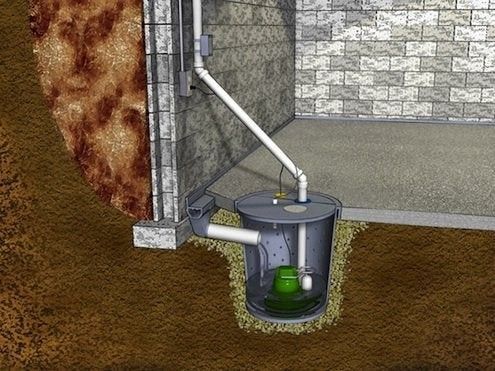
When a sump pump stops working, water doesn’t rise slowly, it rushes in.

Whether the pump failed during heavy rain, a power outage, or without warning, the result is the same: water accumulates where your plumbing system is supposed to protect you.


A sump pump failure emergency is not something to monitor. In South Florida, where storms raise groundwater levels quickly, a non-functional sump pump can lead to flooding, mold growth, and structural damage in a very short time.


This guide explains what to do immediately, why sump pumps fail, and when this becomes a same-hour plumbing emergency.


FIRST: Check the Water Level and Stop What You Can

If water is rising in the sump pit or surrounding area:

  • stop using plumbing fixtures nearby

  • do not run washing machines or dishwashers

  • avoid flushing toilets if drains are affected

Reducing system load helps slow incoming water while you act.


SECOND: Check Power,  But Don’t Assume That’s the Only Problem

If the pump is silent:

  • check the outlet and breaker

  • look for a tripped GFCI

  • verify the float switch isn’t stuck

If the pump runs but doesn’t move water, stop troubleshooting and call immediately , the pump has failed mechanically or the discharge line is blocked.


Why Sump Pumps Fail (Emergency Causes)

1. Power Loss or Electrical Failure

During storms:

  • breakers trip

  • GFCIs shut off

  • outlets lose power

Without a battery backup, water rises fast.


2. Pump Burnout or Mechanical Failure

Over time, pumps fail due to:

  • continuous cycling

  • debris ingestion

  • motor burnout

  • age and corrosion

Many pumps fail silently until flooding starts.


3. Stuck or Failed Float Switch

If the float can’t rise:

  • the pump never activates

  • water continues to rise

  • flooding begins unnoticed

This is a very common failure point.


4. Blocked or Frozen Discharge Line

If the discharge line is blocked:

  • the pump runs but water has nowhere to go

  • water backs up into the pit

  • the system fails under load

In South Florida, debris and sediment are common causes.


🚫 What NOT to Do During a Sump Pump Failure


❌ Do NOT ignore rising water

❌ Do NOT rely on a failing pump to “catch up”

❌ Do NOT reset breakers repeatedly

❌ Do NOT attempt makeshift pumping

❌ Do NOT wait until water reaches finished areas


Every inch of rising water multiplies damage.


When This Becomes a FLOODING EMERGENCY

Call an emergency plumber immediately if:

  • water is rising in the pit

  • water has reached floors or walls

  • the pump won’t activate

  • the pump runs but doesn’t drain

  • flooding started during heavy rain

  • the home has a history of water intrusion

These are same-hour emergencies.


Hidden Damage Sump Pump Failures Cause

Even short-term flooding can lead to:

  • moisture trapped under slabs

  • soaked drywall and insulation

  • mold growth within 24–48 hours

  • foundation moisture issues

  • repeated flooding during future storms

The first failure is rarely the last.


Why This Escalates Faster in South Florida

South Florida homes face higher risk because:

  • high groundwater tables

  • intense rain events

  • slab foundations

  • humidity that prevents drying

  • older or undersized pump systems

A delayed response here almost always increases repair costs.


How Emergency Plumbers Handle Sump Pump Failures

At Leading Plumbing Services, emergency response includes:

  • stopping active flooding

  • assessing pump failure causes

  • clearing blocked discharge lines

  • repairing or replacing failed pumps

  • checking check valves and floats

  • advising on battery backups and prevention

We restore protection ,  not just remove water.


Why Waiting Guarantees Future Flooding

Homes that delay repairs often experience:

  • repeat flooding

  • mold remediation

  • flooring and wall replacement

  • insurance complications

  • more extensive pump system upgrades

Early intervention limits both damage and recurrence.


South Florida Emergency Reality

In South Florida, sump pump failure emergencies often happen during the worst possible moment , heavy rain or storms. Homes with working pumps stay dry. Homes without them flood fast.

The difference is response time.


Final Emergency Guidance

If your sump pump isn’t working and water is rising, treat it as an immediate emergency.


Call a professional before flooding spreads into finished areas and structural components.


 Call/Text Leading Plumbing Services now for 24/7 emergency sump pump and flooding response:


(561) 506-6159

By Nathanael Jolteus January 8, 2026
Seeing water drip from a ceiling or stain drywall is terrifying. Many homeowners immediately assume a roof leak, but in South Florida, one of the most common causes is actually an AC drain line backup . An AC drain line backup emergency occurs when condensation from the air conditioner can’t drain properly. That water then overflows into ceilings, walls, or floors, often causing widespread damage before the source is identified. This guide explains what to do immediately , why AC drains back up so often in South Florida, and when this becomes a same-hour plumbing emergency. FIRST: Turn Off the Air Conditioner Immediately This is critical. turn the AC system OFF at the thermostat do not let it continue running continued operation creates more condensation As long as the AC runs, more water is being produced. Why AC Drain Lines Back Up (Emergency Causes) 1. Algae and Sludge Blockage AC drain lines constantly carry moisture. In South Florida: heat + humidity = algae growth sludge builds up inside the drain flow slows, then stops Once blocked, water overflows into the home. 2. Disconnected or Broken Drain Lines Drain lines can: disconnect in attics crack over time shift during maintenance Water then dumps directly into ceilings or walls. 3. Clogged Condensate Traps Traps can clog with: dirt algae debris When the trap fails, drainage stops completely. 4. Improper Drain Installation (Common in Older Homes) Improper slope or routing can: trap water cause repeated backups overwhelm the system during heavy use These issues often worsen suddenly. 🚫 What NOT to Do During an AC Drain Backup ❌ Do NOT keep the AC running ❌ Do NOT poke holes in ceilings ❌ Do NOT assume it’s harmless condensation ❌ Do NOT ignore water stains ❌ Do NOT delay inspection AC drain water spreads silently and damages fast. Hidden Damage AC Drain Backups Cause Even brief overflows can lead to: soaked insulation ceiling collapse risk mold growth in attics damage inside walls flooring damage below Most of this damage occurs before dripping becomes obvious. Why This Escalates Faster in South Florida South Florida homes face higher risk because: AC systems run year-round humidity accelerates algae growth attics trap moisture slab homes hide water migration AC drain emergencies are far more common here than in cooler climates. When This Is a SAME-HOUR Emergency Call an emergency plumber immediately if: water is dripping from ceilings drywall is sagging or bubbling water stains appeared suddenly the AC drain pan is overflowing water spreads to multiple rooms the system shut itself off repeatedly These are do-not-wait situations. How Emergency Plumbers Handle AC Drain Emergencies At Leading Plumbing Services , emergency response includes: stopping active water damage clearing clogged drain lines inspecting traps and drain routing repairing or reconnecting drain lines testing proper flow helping prevent repeat backups We stop the water and fix the cause. Why Waiting Makes Damage Multiply Homeowners who delay often face: ceiling replacement mold remediation insulation removal structural repairs insurance complications Clearing a drain early is simple. Repairing ceilings is not. South Florida Emergency Reality In South Florida, AC drain line backup emergencies are one of the most common hidden causes of interior water damage, especially during hot, humid months when AC systems run nonstop. Most homeowners don’t realize the danger until water appears overhead. Final Emergency Guidance If water is dripping from your ceiling and the AC has been running, turn the system off immediately and call a professional. AC drain backups don’t resolve on their own , they soak, spread, and collapse materials fast. Call/Text Leading Plumbing Services now for 24/7 emergency AC drain and water damage prevention: (561) 506 6159
By Nathanael Jolteus January 8, 2026
If you smell gas in your home, especially near a water heater, stove, dryer, or utility area , this is not a situation to investigate casually. A gas line leak emergency poses an immediate risk of: explosion fire carbon monoxide exposure Unlike water leaks, gas leaks can escalate without visible warning . What you smell may be a small leak or the early sign of a rapidly worsening failure. This guide explains exactly what to do right now , what causes gas leaks in South Florida homes, and when this becomes a same-hour emergency. FIRST: Leave the Area and Do NOT Use Anything Electrical This is critical. If you smell gas: do not turn lights on or off do not use phones inside the area do not operate appliances do not ignite flames open doors and windows only if safe If the smell is strong, leave the home immediately . SECOND: Shut Off the Gas Supply If You Can Safely Do So Only if it’s accessible and safe: locate the gas shutoff valve turn the valve a quarter turn until perpendicular to the line If you’re unsure, do not attempt it , leave the area and call for help. Why Gas Leaks Happen (Emergency Causes) 1. Failing Gas Connections or Flex Lines Gas appliances often use flexible connectors. Over time they can: corrode crack loosen fail at fittings Water heaters are a common source. 2. Aging or Improperly Installed Gas Lines Older homes may have: outdated piping deteriorating fittings improper repairs Small failures can worsen rapidly. 3. Appliance Valve or Regulator Failure Gas valves and regulators can fail due to: wear pressure irregularities internal component breakdown This often causes intermittent gas smells that worsen suddenly. 4. Impact or Vibration Damage Gas lines can be damaged by: appliance movement construction or renovations vehicle impact (garages) Even small shifts can break seals. 🚫 What NOT to Do If You Smell Gas ❌ Do NOT “wait and see” ❌ Do NOT light matches or candles ❌ Do NOT flip switches ❌ Do NOT try DIY gas repairs ❌ Do NOT re-enter a strong-smelling area Gas emergencies are not DIY situations. Health and Safety Risks of Gas Leaks Gas exposure can lead to: dizziness nausea headaches loss of consciousness fire or explosion Children, pets, and elderly occupants are especially vulnerable. Why Gas Emergencies Escalate Faster in South Florida South Florida homes face unique risks because: many appliances are located in garages or enclosed spaces humidity accelerates corrosion older homes have aging infrastructure renovations sometimes disturb gas lines Gas leaks here often occur without prior warning signs. When This Is a SAME-HOUR Emergency Call emergency services and a professional immediately if: the gas smell is strong or persistent you hear hissing near a gas line appliances shut off unexpectedly the smell worsens over time anyone feels dizzy or ill the home has older gas piping These are do-not-delay situations. How Emergency Plumbers Handle Gas Line Emergencies At Leading Plumbing Services , emergency response includes: locating and isolating the leak testing gas lines and fittings repairing or replacing failed components pressure testing the system ensuring code-compliant, safe restoration coordinating with gas utilities if required Safety is the priority , repairs come second. Why Waiting Is Extremely Dangerous Homeowners who delay often face: emergency evacuations fire department intervention property damage appliance loss serious injury risks Gas leaks do not stabilize on their own. South Florida Emergency Reality In South Florida, gas line leak emergencies frequently originate near water heaters, dryers, and stoves , often in garages or utility rooms where smells go unnoticed at first. If you smell gas, your home is already warning you. Final Emergency Guidance If you smell gas inside your home, leave the area immediately and call a professional. Do not investigate, do not delay, and do not attempt repairs yourself. Call/Text Leading Plumbing Services now for 24/7 emergency gas line detection and repair: 561 506 6159