

Cast Iron Pipe Corrosion: The Warning Signs Homeowners Miss Until It’s Too Late
Nathanael Jolteus • December 19, 2025

Most homeowners don’t think about their pipes until something goes wrong. And with cast iron plumbing, the problem is that the damage happens quietly for years before it becomes obvious.


If your home was built before the late 1970s, there’s a strong chance it still relies on cast iron drain or sewer pipes. In South Florida especially, those pipes are now reaching (or have passed) the end of their functional lifespan.


Understanding the early signs of cast iron pipe corrosion can mean the difference between a planned repair, and a full sewer emergency.


1. Why Cast Iron Pipes Fail Over Time

Cast iron was once the gold standard for drain and sewer lines. It was strong, durable, and quiet. But it was never designed to last forever.

Over decades, cast iron pipes deteriorate due to:

  • constant moisture exposure

  • acidic waste and cleaners

  • mineral-heavy water

  • humidity and salt air (major Florida factor)

  • soil movement and settling

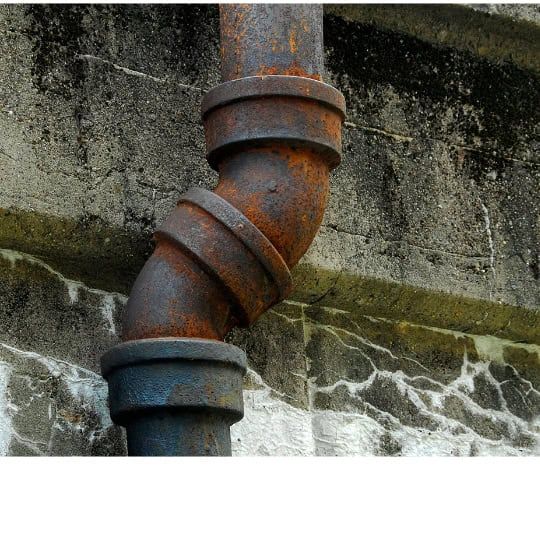
The result is internal corrosion , damage you can’t see from the outside.


2. Internal Corrosion Happens First (and You Can’t See It)

One of the biggest misconceptions is that pipes fail from the outside in.

In reality, cast iron usually:

  • corrodes internally

  • flakes and scales

  • narrows the pipe diameter

  • traps debris

  • restricts flow

From the outside, the pipe may look fine. Inside, it may already be failing.


3. Slow or Inconsistent Drains (Early Warning Sign)

One of the first signs of cast iron pipe corrosion is persistent slow drainage.

You may notice:

  • drains that never fully clear

  • frequent clogs that come back

  • plunging helps only temporarily

  • different fixtures clog at different times

This happens because corrosion creates a rough interior surface that catches waste.


4. Recurring Clogs That Don’t Make Sense

If clogs:

  • keep returning

  • occur in multiple fixtures

  • move around the house

  • don’t respond well to cleaning

…it’s often not “bad luck” , it’s pipe deterioration.


Cast iron pipes lose their smooth interior, making normal use feel like misuse.


5. Gurgling Sounds From Drains or Toilets

As corrosion worsens, airflow through the system becomes restricted.


This causes:

  • gurgling sounds

  • bubbling in toilets

  • noise when other fixtures drain

Gurgling is often the plumbing system’s early distress signal.


6. Sewer Odors Inside the Home

Corroded cast iron can develop:

  • hairline cracks

  • pinholes

  • failing joints

This allows sewer gas to escape.

If you notice:

  • musty smells

  • sewage odors near drains

  • odors that come and go

…it may indicate compromised cast iron piping , even without visible leaks.


7. Water Backing Up Into Tubs or Showers

As cast iron corrodes, the pipe diameter shrinks.


Eventually:

  • wastewater can’t move fast enough

  • pressure builds

  • water backs up into the lowest fixtures

This is often when homeowners first realize the issue is serious.


8. Rust Flakes or Dark Debris

Another overlooked sign is debris in drains.


You may see:

  • black flakes

  • rust-colored residue

  • gritty material after backups

That debris is often the pipe itself breaking down internally.


9. Slab or Yard Moisture (Advanced Stage)

In more advanced cases, cast iron pipes can:


  • crack

  • collapse

  • separate at joints

This may cause:

  • damp spots in the yard

  • unexplained moisture near the slab

  • foundation-related leaks

At this stage, urgent action is usually required.


10. Why Cast Iron Fails Faster in South Florida

South Florida is one of the harshest environments for cast iron plumbing.

Factors include:

  • high humidity

  • mineral-heavy water

  • sandy, shifting soil

  • older housing stock

  • frequent rainfall

Many cast iron systems here last 40–60 years, not 100+.


11. Why Chemical Drain Cleaners Accelerate Damage

Chemical cleaners are especially harmful to cast iron.

They:

  • sit in rough, corroded areas

  • accelerate internal rusting

  • weaken already-thin pipe walls

  • increase the risk of collapse

They may provide short-term relief , but cause long-term damage.


12. Why “Just Cleaning the Drain” Stops Working

As corrosion progresses:

  • snaking becomes less effective

  • hydro-jetting may expose weak spots

  • clogs return faster each time

This is often the point where inspection becomes more important than cleaning.


13. How Professionals Diagnose Cast Iron Pipe Condition

At Leading Plumbing Services, we don’t guess.

We use:

  • camera inspections

  • flow testing

  • visual pipe condition analysis

  • corrosion and scaling assessment

This allows us to determine:

  • remaining pipe life

  • severity of damage

  • repair vs replacement options

Not every cast iron system needs immediate replacement ,  but many need planning.


14. Repair vs Replacement: How the Decision Is Made

Replacement is often recommended when:


  • corrosion is widespread

  • pipe walls are thinning

  • repeated backups occur

  • sections have collapsed

  • leaks or separations are found

In some cases, partial replacement or lining may be possible.


The key is understanding the actual condition of the system.


15. Why Early Action Saves Thousands

Homeowners who act early often:


  • avoid emergency backups

  • prevent floor and wall damage

  • plan upgrades on their timeline

  • reduce total repair costs

Waiting usually means reacting during a failure , which is always more expensive.


South Florida Homeowner Reality

In South Florida, cast iron pipe corrosion is one of the most common underlying causes of recurring drain issues, odors, and backups in older homes.


The pipes don’t fail overnight , they warn you first.


Final Thoughts

If your home has cast iron plumbing, the question isn’t if it will fail ,  it’s when. Recognizing the early signs of corrosion gives you control, clarity, and options.


Ignoring those signs usually removes all three.


Call/Text Leading Plumbing Services today for cast iron pipe inspection and honest guidance:


(561) 506-6159


By Nathanael Jolteus December 29, 2025
A dishwasher flood escalates in minutes. Water spreads across cabinets, under appliances, into adjacent rooms, and down into flooring seams before most homeowners realize how serious it is. If you’re dealing with a dishwasher flooding emergency , this is not something to mop up and monitor. In South Florida homes, dishwasher floods are often caused by drain or sewer problems , not the dishwasher itself. This guide explains exactly what to do right now, why dishwasher floods happen, and when this becomes a same-hour plumbing emergency. STEP 1: Stop the Dishwasher and Shut Off the Water Act immediately. press STOP / CANCEL on the dishwasher turn off the water supply valve under the sink if water continues, shut off the main water supply Dishwashers discharge water quickly, every second matters. STEP 2: Do NOT Run the Kitchen Sink or Garbage Disposal This is critical. Dishwashers usually drain into: the kitchen sink drain the garbage disposal a shared branch line Running the sink or disposal can force more water back into the dishwasher and onto the floor. STEP 3: Contain the Water (Safely) While waiting for help: move items off the floor place towels to protect cabinets avoid stepping in pooled water near outlets Kitchen floods spread under base cabinets where damage isn’t immediately visible. Why Dishwashers Flood (Emergency Causes) 1. Blocked Kitchen Drain or Branch Line This is the most common cause. When the drain is restricted by: grease buildup food debris biofilm mineral scale …the dishwasher pumps water faster than the drain can handle, causing instant overflow. 2. Garbage Disposal or Air Gap Issues If your dishwasher drains through: a clogged disposal a blocked air gap …water has nowhere to go and backs up into the dishwasher or sink. 3. Main Drain or Sewer Line Problems If flooding happens alongside: gurgling in other drains slow toilets backups elsewhere …the dishwasher is exposing a system-level failure , not a local clog. 4. Aging Cast Iron Pipes (South Florida Factor) Older South Florida homes often have cast iron drains that: corrode internally narrow over time trap grease and debris Dishwashers are often the first fixture to flood when these pipes begin failing. 🚫 What NOT to Do During a Dishwasher Flood ❌ Do NOT keep running the dishwasher ❌ Do NOT plunge the sink aggressively ❌ Do NOT use chemical drain cleaners ❌ Do NOT assume it’s “just the appliance” ❌ Do NOT ignore water under cabinets Appliance replacement won’t fix a failing drain system. When This Becomes a SEWAGE EMERGENCY Treat it as urgent if: water smells foul water is dark or greasy backups appear in other fixtures flooding worsens when other drains are used This indicates drain or sewer involvement , not a dishwasher defect. Hidden Damage Dishwasher Floods Cause Even short flooding events can lead to: cabinet base swelling warped flooring mold growth behind kick plates damage under dishwashers and fridges leaks spreading into adjacent rooms In South Florida humidity, mold can begin forming within 24–48 hours . When to Call an Emergency Plumber IMMEDIATELY Call right away if: water is actively spreading flooding repeats during cycles multiple drains are slow or backing up the home has older plumbing flooding happened suddenly sewage odor is present These are same-hour emergencies. How Emergency Plumbers Handle Dishwasher Floods At Leading Plumbing Services , emergency response includes: stopping active flooding clearing kitchen and branch drains inspecting disposal and air gap connections camera-inspecting drain lines identifying cast iron or sewer issues preventing repeat flooding We fix the cause , not just the mess. Why Waiting Almost Guarantees It Happens Again Dishwasher floods don’t resolve themselves. Waiting often results in: worse drain restrictions larger floods cabinet replacement mold remediation emergency sewer repairs Early intervention usually limits damage to the drain line only. South Florida Emergency Reality In South Florida, dishwasher flooding emergencies are frequently the first visible sign of failing kitchen drain infrastructure, especially in homes with older pipes and heavy grease buildup. The dishwasher didn’t cause the problem. It exposed it. Final Emergency Guidance If your dishwasher is flooding the kitchen, shut it off immediately and stop using nearby plumbing. Call a professional before water damage spreads under cabinets and into floors. Call/Text Leading Plumbing Services now for 24/7 emergency dishwasher flooding and drain repair: (561) 506-6159
By Nathanael Jolteus December 29, 2025
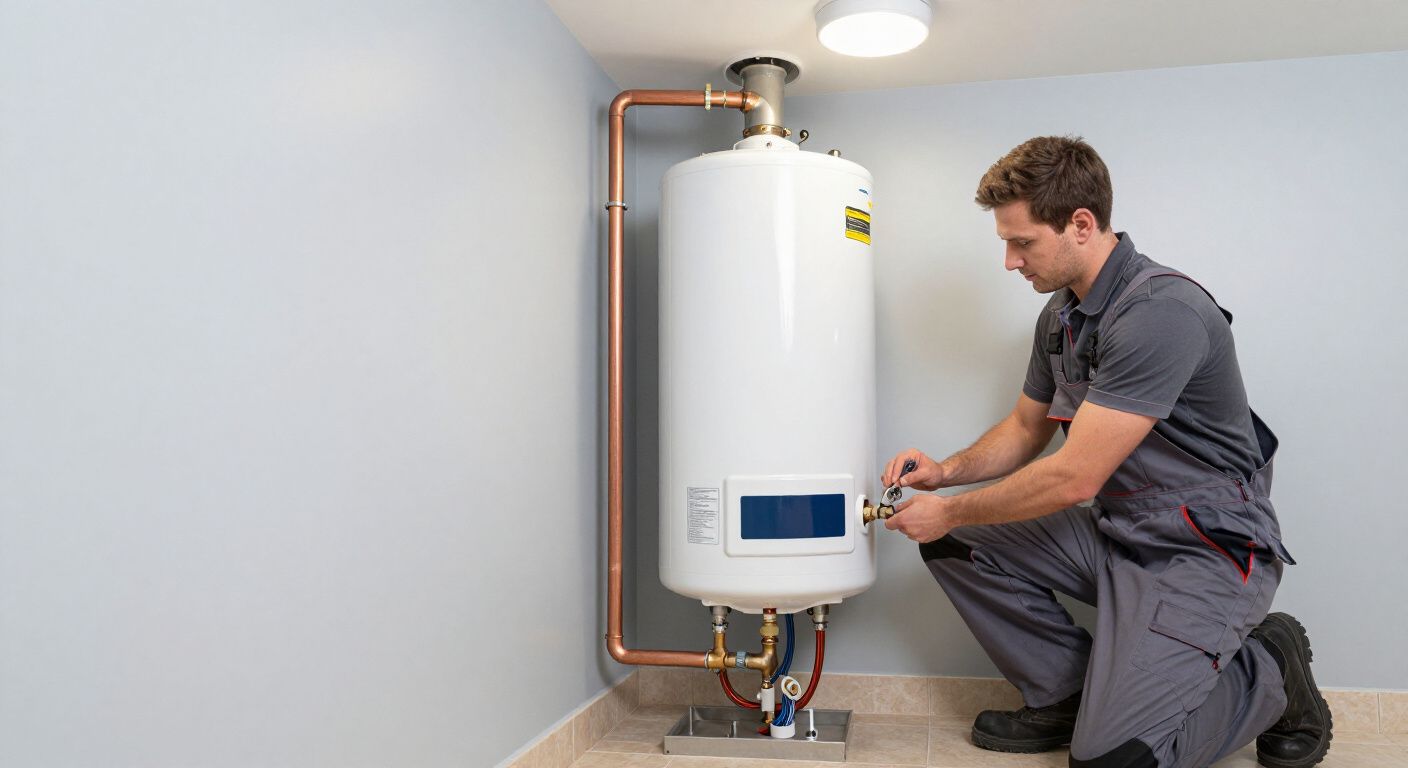
You turn the handle expecting hot water , and get nothing. No warmth. No gradual cooling. Just cold water everywhere. When hot water suddenly disappears , it’s rarely a coincidence and often signals a failure that can escalate quickly if handled incorrectly. A no hot water emergency isn’t just inconvenient. In many cases, it’s the first sign of pressure issues, internal tank failure, gas or electrical shutdowns, or leaks that haven’t surfaced yet. This guide explains what to check immediately , what not to touch, and when this becomes a same-hour plumbing emergency. FIRST: Confirm It’s the Whole House Check: multiple sinks showers tubs If all fixtures are cold, the issue is not local ,it’s system-level. If only one fixture is affected, the problem may be isolated and less urgent. SECOND: Check for Visible Warning Signs Before touching anything, look for: water pooling near the water heater damp flooring rust or corrosion unusual noises (popping, hissing) gas or burning smells If any of these are present, stop and call immediately. Why Hot Water Fails Suddenly (Emergency Causes) 1. Water Heater Leak or Internal Failure Many heaters shut down when: internal leaks develop pressure becomes unstable tanks begin to fail The hot water stops before flooding begins , a critical early warning. 2. Gas Supply or Control Failure For gas water heaters: pilot light failure gas valve malfunction safety shutdown Gas-related failures should never be re-lit blindly. 3. Electrical Failure or Breaker Trip Electric heaters may lose power due to: failed heating elements wiring issues overheating shutoffs Repeated resets indicate a deeper problem. 4. Pressure or Expansion Issues Excess pressure can: trigger safety valves force heaters offline accelerate tank damage Pressure problems often appear as “no hot water” first. 🚫 What NOT to Do During a No Hot Water Emergency ❌ Do NOT keep resetting breakers ❌ Do NOT relight pilots repeatedly ❌ Do NOT turn the temperature higher ❌ Do NOT ignore leaks or moisture ❌ Do NOT assume it’s “just old” These actions often turn a repairable issue into a full replacement. Why This Is Riskier in South Florida South Florida water heaters fail faster due to: mineral-heavy water year-round usage sediment buildup high humidity accelerating corrosion Many systems here reach critical failure years earlier than expected. Hidden Damage Homeowners Miss Sudden hot water loss may indicate: tank corrosion internal leaks draining into slabs pressure relief discharge gas venting issues electrical overheating The absence of hot water is often the symptom , not the problem. When This Is a SAME-HOUR Emergency Call immediately if: hot water stopped suddenly water is visible near the heater gas smell is present popping or hissing noises occur the heater is 6–8+ years old the shutdown followed pressure changes These are do-not-wait situations. How Emergency Plumbers Handle No Hot Water Calls At Leading Plumbing Services , emergency response includes: safe shutdown of gas or power identifying leak vs control failure pressure testing inspecting heating elements or burners determining repair vs replacement preventing sudden tank rupture We focus on preventing escalation first. Why Waiting Can Turn This Into a Flood Many water heaters fail in stages: hot water stops pressure becomes unstable internal corrosion worsens tank ruptures Catching it at stage one saves thousands. South Florida Emergency Reality In South Florida, no hot water emergencies are often the first visible sign of a failing water heater. Homes that wait often end up dealing with leaks, flooding, or gas-related hazards shortly after. Final Emergency Guidance If your home suddenly has no hot water, treat it as a warning , not just an inconvenience. Avoid resets and guesswork, and call a professional before the system fails completely. Call/Text Leading Plumbing Services now for 24/7 emergency no-hot-water diagnosis: (561) 506-6159