

Low Water Pressure in Your Kitchen Sink? Here Are the Fastest Fixes for South Florida Homes
Nathanael Jolteus • December 7, 2025

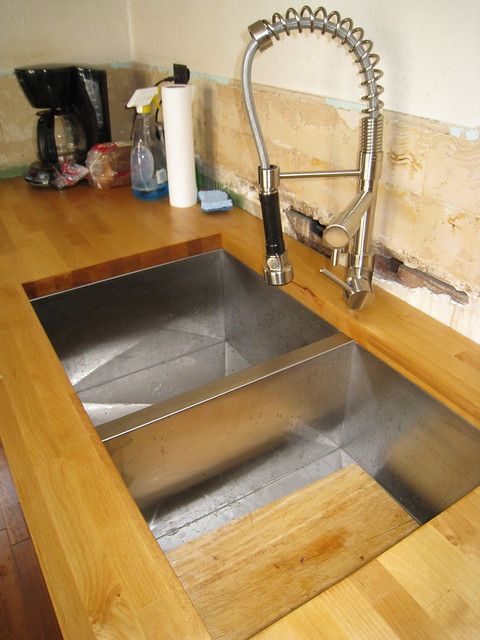
Few plumbing issues are as annoying as turning on your kitchen faucet and getting a weak trickle instead of a strong flow. Cooking becomes harder, cleaning takes forever, and rinsing dishes is frustrating.


Low water pressure in the kitchen sink is a common issue in South Florida, and while it may seem simple, it actually has multiple possible causes, some easy, some serious.


Here’s exactly what’s happening, how to diagnose it, and how to fix it quickly.


1. Check the Aerator First (Most Common Fix)


The aerator is the small screen at the tip of the faucet.

In South Florida, mineral buildup and sand-like residue clog aerators constantly.

Check for:

  • weak stream

  • spray pattern looks uneven

  • pressure good in bathrooms, weak in kitchen only

Quick Fix:

  • unscrew aerator

  • clean screen

  • rinse debris

  • reinstall

Pressure often improves instantly.


2. Hard Water Buildup Inside Faucet

South Florida has mineral-heavy water, which leaves scale deposits inside the faucet body over time.

Symptoms:

  • slow water flow

  • pressure changes when switching hot/cold

  • debris in aerator regularly

This requires internal cleaning or replacing faucet cartridges.


3. Clogged Cartridges

Inside your faucet, there’s a cartridge controlling flow.

It clogs from:

  • minerals

  • debris

  • corrosion

  • old plumbing

  • low-quality water supply

Cartridges eventually wear out.


4. Shutoff Valves Aren’t Fully Open


Under the sink, you have hot and cold shutoff valves.


Many homeowners accidentally bump them and partially close them.

Check this:

Turn both valves fully counterclockwise.


5. Supply Line Issues

Flexible pipes under the sink can kink or partially collapse over time, especially if the cabinet is packed with cleaning supplies or buckets.

Symptoms:

  • pressure low only in kitchen

  • pressure good everywhere else

  • faucet cartridge clean

Replacing supply lines is a quick professional fix.


6. Sediment or Rust in Old Water Lines

Older homes in Boca, Boynton, and Delray often have galvanized or mixed plumbing systems that corrode inside.

Corrosion flakes off and restricts water flow.

Signs:

  • brown water sometimes

  • inconsistent pressure

  • older plumbing

  • multiple fixtures affected

This requires inspection.


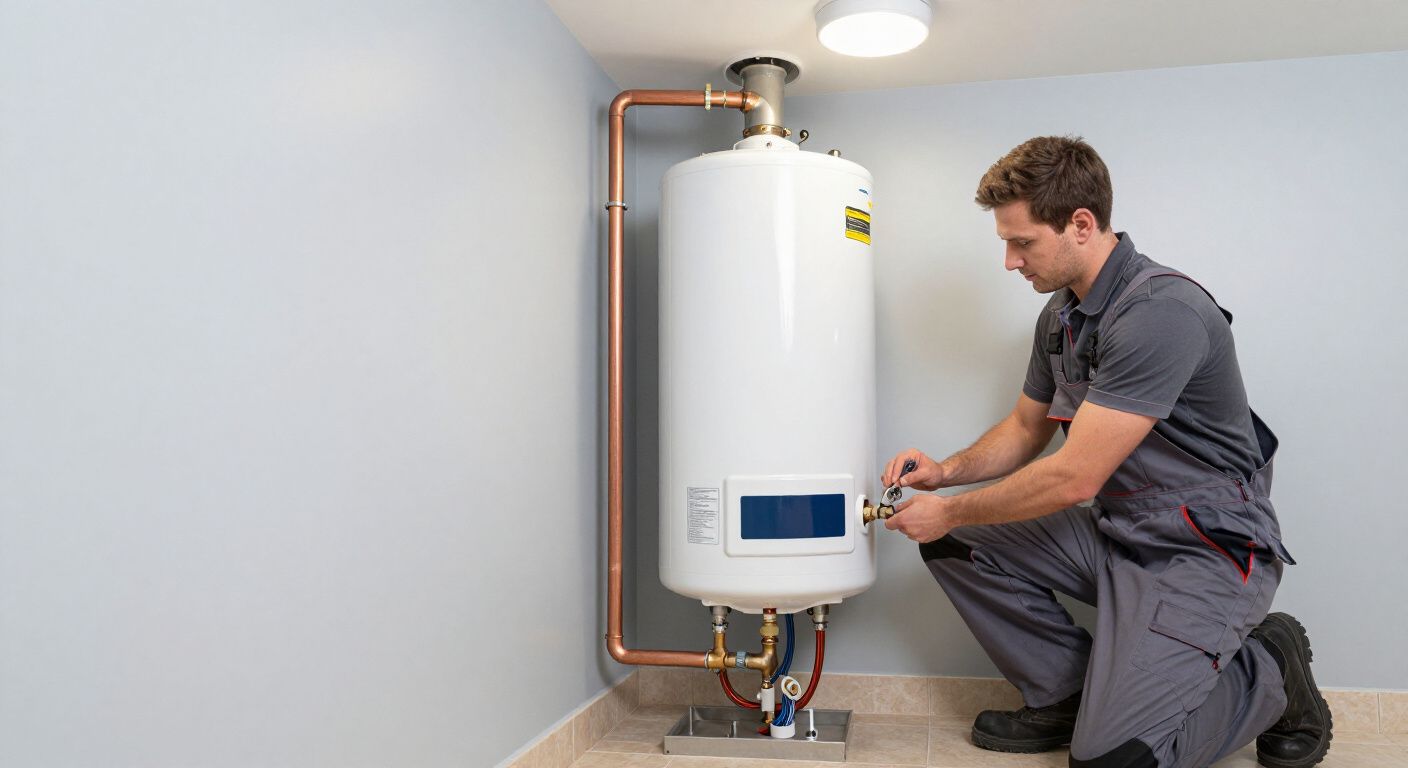
7. Water Heater Issues

If pressure is low only on hot water, the problem may be the hot water line or heater.

Possible causes:

  • sediment

  • scale in heater

  • failing anode rod

  • partially blocked hot water outlet

South Florida heaters clog faster due to mineral content.


8. Clogged Faucet Sprayer or Hose

Pull-down sprayers develop internal blockages.

Symptoms:

  • normal pressure in regular stream

  • weak pressure in sprayer mode

  • sprayer hose feels stiff

Sprayer replacement solves it.


9. Pressure Regulator Problems

South Florida neighborhoods often have fluctuating water pressure. If your PRV (pressure reducing valve) fails, it affects flow to fixtures.

Symptoms:

  • pressure low in multiple rooms

  • pressure suddenly changed

  • fluctuating pressure

  • older PRV installed

This requires professional diagnosis.


10. City Water Issues

Sometimes the city’s water pressure drops temporarily due to:

  • main repairs

  • hydrant testing

  • seasonal demand spikes

  • infrastructure issues

If neighbors have low pressure too → city issue.


DIY Fix Checklist (Fastest Path)


✔ Step 1: Remove and clean aerator

✔ Step 2: Check shutoff valves

✔ Step 3: Flush faucet with hot water

✔ Step 4: Try both hot and cold

✔ Step 5: Test sprayer separately

✔ Step 6: Run faucet without aerator


If pressure improves without aerator → clogged screen.


When DIY won’t fix it


Call a plumber if:

  • pressure drops suddenly

  • pressure low in multiple rooms

  • rust flakes in water

  • water heater makes noise

  • pipes are older

  • hot water pressure especially weak

  • sprayer stopped working completely

You likely have:

  • sediment blockages

  • corrosion

  • failing faucet cartridge

  • supply line damage

  • pressure regulator problems


Professional Solutions (What We Do)

At Leading Plumbing Services LLC , we:

  • inspect supply lines

  • flush water heater

  • clean faucet internals

  • replace cartridges

  • check PRV settings

  • inspect for corrosion

  • remove mineral scale buildup

We find the exact cause, not guess.


Prevention Tips for South Florida


✔ flush water heater yearly

✔ replace supply lines every 5–7 years

✔ use filtered water when possible

✔ avoid cheap faucets

✔ inspect under-sink valves monthly


Minerals + humidity = faster buildup in Florida plumbing.


Final Thoughts


Low water pressure in the kitchen sink is annoying,but more importantly, it’s a plumbing warning sign.


Whether it’s debris, minerals, supply line failure, or a deeper issue, the faster you diagnose the cause, the easier (and cheaper) the fix becomes.


Call/Text us if your kitchen sink pressure has dropped:


(561) 506-6159


By Nathanael Jolteus December 17, 2025
You flush, the bowl refills , but not the way it used to. The water line sits noticeably lower, and the flush feels weaker. It’s easy to chalk it up to a “bad flush,” but a toilet bowl water level that’s low is rarely random. It’s usually a sign that something in the toilet’s refill, venting, or drain system isn’t working as designed. In South Florida homes, this issue shows up often, and it can lead to odors, poor flushing, and bigger drain problems if ignored. 1. What Sets the Bowl Water Level The bowl water level isn’t controlled by the tank float. It’s set by: the toilet’s internal trapway the siphon action during the flush proper airflow through the plumbing vent If any of those are disrupted, the bowl won’t refill to its normal level. 2. Partial Clog in the Toilet Trapway A common cause is a partial obstruction inside the toilet. This can happen when: toilet paper builds up foreign objects lodge in the trap mineral scale narrows the passage Water drains out, but the siphon breaks early , leaving the bowl under-filled. 3. Blocked or Restricted Plumbing Vent Your plumbing vents allow air into the system so water can flow correctly. If a vent is: blocked partially obstructed restricted by debris …the system can pull too much water out of the bowl after flushing, lowering the water level. Vent issues are more common than people realize. 4. Sewer or Branch Drain Airflow Issues Low bowl water can also indicate: air pressure imbalance developing drain restrictions early sewer line issues When airflow is disrupted, water levels inside fixtures become unstable. This often appears alongside: gurgling slow drains occasional odors 5. Cracks in the Toilet Bowl or Trap Hairline cracks in the porcelain , especially in the internal trapway , can: slowly drain water lower bowl level over time worsen without visible exterior leaks Cracked bowls can’t be repaired safely and must be replaced. 6. Why Low Bowl Water Is a Problem A low water level can cause: weak flushing waste not clearing fully sewer gas odors entering the bathroom frequent clogs repeated flushing The bowl water acts as a seal. When it’s low, that seal weakens. 7. Why This Happens More in South Florida South Florida plumbing systems face: mineral-heavy water cast iron drain corrosion humidity affecting venting older toilet designs in many homes All of these contribute to airflow and drainage imbalances that affect bowl levels. 8. DIY Checks You Can Do You can safely: ✔ check for visible cracks ✔ note gurgling sounds when flushing ✔ observe if other drains act oddly ✔ plunge gently (no aggressive force) If the water level drops again shortly after, the issue is deeper than the bowl. 9. What NOT to Do ❌ Don’t keep flushing repeatedly ❌ Don’t add water manually to “fix” it ❌ Don’t use chemical drain cleaners ❌ Don’t ignore sewer odors These actions mask symptoms without solving the cause. 10. When to Call a Plumber Call a professional if: the bowl level stays low flushing power decreases gurgling sounds appear odors are present multiple drains act up the toilet clogs frequently These point to system-level issues, not just a toilet problem. 11. What We Do (Professional Diagnosis) At Leading Plumbing Services , we: inspect the toilet trap-way test drain and vent airflow camera-inspect drain lines if needed identify partial blockages check for porcelain damage restore proper water levels recommend repair vs replacement honestly We find the reason the level changed, not just the symptom. 12. Prevention Tips To prevent low bowl water issues: ✔ address slow drains early ✔ avoid flushing non-flushables ✔ maintain proper venting ✔ descale plumbing periodically ✔ replace aging toilets proactively Preventive care keeps flushing consistent. South Florida Homeowner Reality In South Florida, a toilet bowl water level that’s low is often an early sign of airflow or drain problems , not a bad toilet design. Catching it early can prevent odors, backups, and repeated clogs. Final Thoughts If your toilet bowl water level looks lower than normal , your plumbing system is telling you something has changed. Fixing it early restores proper flushing and protects your home from odors and drain issues. Call/Text us today for toilet and drain inspection: (561) 506-6159
By Nathanael Jolteus December 17, 2025
You shut the handle, step out, and a few seconds later you hear it , a slow, hollow tap from the shower head. It’s easy to assume leftover water is just draining out. But when a shower head keeps leaking after it’s turned off , that drip is usually coming from behind the wall, not the fixture itself. In South Florida homes, this issue shows up frequently , and it almost always points to a worn shower valve or pressure problem that gets worse over time. 1. Residual Water vs a Real Leak A quick drip that stops within a minute can be normal. A drip that continues minutes or hours later is not. Ongoing leakage means: water is passing the shutoff point the valve isn’t sealing pressure is forcing water through worn parts That’s a plumbing failure, not gravity. 2. Worn Shower Cartridge (Most Common Cause) Most modern showers use a cartridge to control hot/cold flow. Over time, cartridges: wear down collect mineral scale lose sealing surfaces When that happens, water sneaks past even when the handle is off , and exits through the shower head. 3. High Water Pressure Makes It Worse If your home’s water pressure is elevated, it pushes harder against valve seals. High pressure: accelerates cartridge wear causes delayed dripping makes new cartridges fail sooner if pressure isn’t corrected Many South Florida homes run above recommended pressure without realizing it. 4. Mineral Buildup (Florida Factor) South Florida’s mineral-heavy water leaves scale inside valves. Minerals: scratch sealing surfaces prevent tight closure cause inconsistent shutoff Even a quality valve will leak once mineral buildup interferes with sealing. 5. Diverter Issues In tub/shower combos, a failing diverter can: misroute water allow seepage to the shower head drip after shutoff If the drip started after using the tub spout, the diverter may be involved. 6. Why Ignoring the Drip Is Risky That steady drip means: constant pressure on the valve accelerated wear of internal parts higher water bills potential leaks inside the wall Left unchecked, small valve leaks often turn into wall or ceiling damage. 7. How Much Water a “Small” Drip Wastes One slow drip can waste: thousands of gallons per year treated drinking water money you never see until the bill arrives Multiply that by multiple bathrooms, and the loss adds up fast. 8. DIY Fixes That Rarely Last Homeowners often try: tightening the handle replacing the shower head cleaning the faceplate These don’t address the valve behind the wall , where the leak actually is. 9. When Replacement Beats Repair Repair or replacement is usually recommended if: the valve is very old cartridges are discontinued leaks return quickly after repair corrosion is present pressure issues exist Upgrading the valve often improves both reliability and temperature control. 10. What We Do (Professional Solution) At Leading Plumbing Services , we: diagnose valve vs fixture leaks test system pressure replace worn cartridges or valves descale mineral buildup inspect for in-wall moisture restore a true shutoff prevent repeat failures We fix the leak at the source , not just what you see. 11. Prevention Tips To prevent shower head leaks: ✔ address drips early ✔ maintain proper water pressure ✔ descale fixtures periodically ✔ replace aging cartridges proactively ✔ upgrade outdated valves Small steps extend valve life significantly. South Florida Homeowner Reality In South Florida, a shower head leaking when turned off is rarely the shower head’s fault. It’s usually the first sign a valve is wearing out ,and waiting almost always means a bigger repair later. Final Thoughts If your shower head keeps dripping after you shut it off , it’s not leftover water , it’s your valve failing to seal. Fixing it early saves water, money, and prevents hidden wall damage. Call/Text us today for shower valve inspection and repair: (561) 506-6159