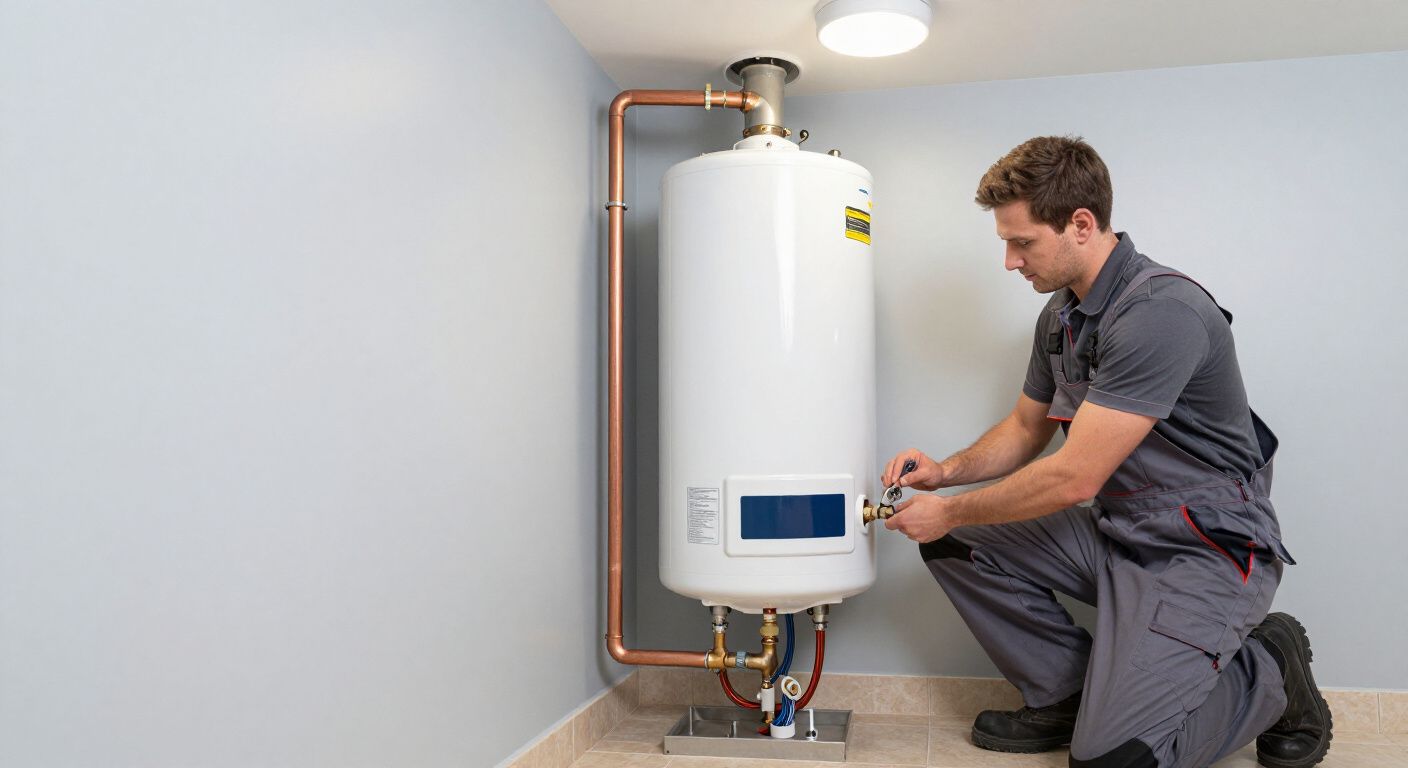


Toilet Leaking at the Base: What to Do First and How to Prevent Serious Water Damage
Nathanael Jolteus • December 7, 2025


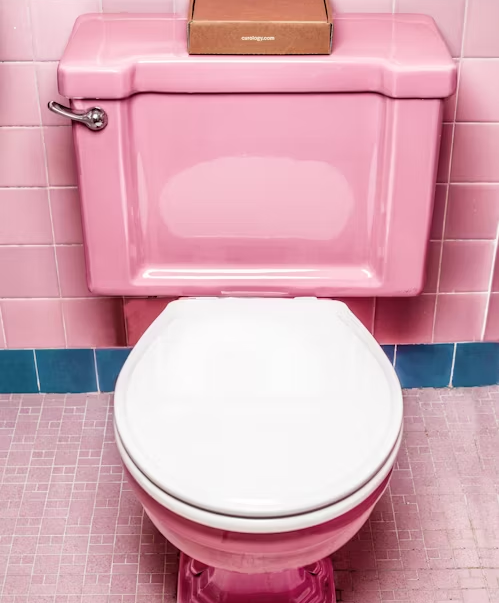
If you notice water pooling around the bottom of your toilet, do NOT ignore it. A toilet leaking at the base almost always means water is escaping from the seal between the toilet and the drain pipe—and this can quickly cause water damage, mold growth, and ruined flooring.

This is a high-risk plumbing problem, especially in South Florida homes where moisture and humidity increase mold and bacteria growth under tile or vinyl.

Let’s break down exactly what’s happening, what it means, and what steps you should take immediately.

1. A Toilet Base Leak Means the Seal Is Failing

Your toilet sits on a wax ring (or rubber seal) that creates a watertight connection between the toilet and the floor drain.

When the seal wears out, water leaks underneath during flushing.

Causes include:

worn wax ring


  • loose bolts

  • rocking toilet

  • corrosion

  • improper installation

  • heat expansion

  • moisture expansion

Once the seal breaks, every flush pushes water underneath the toilet.


2. Why This Happens More in Florida

South Florida’s climate accelerates seal breakdown:

  • heat

  • moisture

  • humidity

  • salt air

  • constant AC condensation

All contribute to rubber and wax deterioration.

Older homes with tile or uneven floors make this worse.


3. Check for These Signs Immediately

✔ water around the base

✔ floor feels soft

✔ musty odor

✔ tile discoloration

✔ water appears only after flushing

If water appears AFTER each flush → the wax seal is leaking.


4. Don’t Ignore It (It Gets Worse Fast)

A minor leak today becomes a major flooring problem tomorrow.

Water can:

  • seep under tile

  • soften subfloor

  • cause mold growth

  • loosen grout

  • warp wood flooring

  • ruin vinyl

  • discolor grout

  • smell extremely bad

Under-floor moisture spreads silently.


5. The Most Common Causes

✔ Worn wax ring

#1 most common cause

✔ Loose toilet bolts

Movement breaks the seal.

✔ Toilet shifting

Even a slight wobble causes leaks

✔ Wax ring installed incorrectly

Happens with DIY installs

✔ Flange too low or too high

Improper alignment


6. When the Leak Is Not the Wax Ring

Sometimes leaks appear to be from the base but are NOT.

Causes include:

  • cracked toilet tank

  • condensation dripping down

  • supply line leak

  • shutoff valve leak

  • tank bolts leaking

Water follows gravity—so even upper leaks pool at the base.


7. What You Should Do Right Now

✔ Step 1: Stop flushing

Every flush adds more water.

✔ Step 2: Turn off shutoff valve

Behind toilet.

✔ Step 3: Mop water immediately

Prevent mold.

✔ Step 4: Check if toilet wobbles

If it moves, seal is broken.

✔ Step 5: Call a professional

Wax ring replacement requires removing the toilet and resealing properly.


8. Why DIY Toilet Wax Ring Replacement Usually Fails

Homeowners often:

  • don’t align ring correctly

  • over-tighten or under-tighten bolts

  • damage flange

  • skip leveling

  • don’t seal the base

  • reuse old parts

Result → new leaks within weeks.


9. Professional Toilet Reseal Service (What We Do)

At [Your Dad’s Plumbing Company], we:

  • shut off and drain toilet

  • remove entire toilet

  • inspect flange condition

  • check floor level and moisture

  • install new wax or rubber seal

  • tighten flange bolts correctly

  • level toilet precisely

  • seal base properly

  • test flush repeatedly

We don’t just “slap in a wax ring.”

We rebuild the entire seal correctly.


10. When You Might Need a New Toilet

If the toilet is:

  • cracked

  • unstable

  • rocking badly

  • rusted bolts

  • loose tank fittings

  • constantly leaking

…replacement is recommended.

Many older Florida homes have toilets that should’ve been replaced years ago.


11. How to Prevent Future Base Leaks

✔ don’t overtighten bolts

✔ check for wobbles

✔ reseal every 8–12 years

✔ avoid rocking movement

✔ check for water after storms

✔ ensure proper installation

Pro tip: rubber seals last longer than wax in humid climates.


Final Thoughts

A toilet leaking at base is a clear warning sign that the seal is failing—AND that water is escaping underneath your flooring.

Ignoring the problem can lead to:

  • mold

  • rotted subfloor

  • tile damage

  • foul smells

  • costly restoration

Fixing it early always saves money.


👉 Call/Text us immediately if your toilet is leaking at the base:

(XXX) XXX-XXXX


By Nathanael Jolteus December 16, 2025
You turn the handle all the way closed. The water stops. Then, five seconds later, drip… drip… drip. It’s easy to shrug off, especially if it eventually stops. But a faucet dripping after shut off isn’t harmless. It’s a sign that internal components are worn, misaligned, or failing and in South Florida, those issues progress faster than most homeowners expect. Let’s break down why that last drip happens, what it means inside the faucet, and when a simple fix prevents a bigger problem. 1. What “After Shut Off” Dripping Actually Means This isn’t a faucet left slightly open. A drip after shut off usually means: water is leaking past an internal seal pressure is forcing water through worn components the valve can’t fully seat anymore In other words, the faucet is closed, but not sealed . 2. Worn Washers (Common in Older Faucets) Compression-style faucets rely on rubber washers to stop water flow. Over time, washers: harden crack flatten lose elasticity When that happens, water sneaks past even after the handle is closed, causing a delayed drip. This is especially common in older South Florida homes. 3. Cartridge or Ceramic Disc Wear Modern faucets often use cartridges or ceramic discs. When these components wear or get mineral buildup: they don’t align perfectly micro-gaps remain pressure forces water through The result? A slow, persistent drip after shut off. 4. Mineral Buildup (Accelerated in South Florida) South Florida’s mineral-heavy water leaves scale behind. Mineral deposits: prevent tight seals scratch internal surfaces interfere with valve seating Even a high-quality faucet will drip once minerals build up enough. 5. High Water Pressure Makes Dripping Worse If your home’s water pressure is high, it pushes harder against worn seals. This causes: delayed dripping faster wear of faucet internals repeated failures even after DIY fixes Many homes here operate above recommended pressure without realizing it. 6. Why the Drip Sometimes Stops (Then Comes Back) You might notice: dripping right after shut off then it stops then returns days or weeks later That’s because: pressure fluctuates seals temporarily reseat wear continues underneath Intermittent dripping is still a failure, just an early one. 7. How Much Water a “Small Drip” Wastes One drip per second can waste: 3,000+ gallons per year hundreds of dollars over time treated drinking water unnecessarily Multiply that by multiple faucets, and the cost adds up fast. 8. DIY Fixes That Sometimes Work (Short-Term) You can try: ✔ tightening the handle gently ✔ cleaning mineral buildup at the aerator ✔ checking for loose handle screws If dripping persists, the issue is internal, and tightening won’t solve it. 9. Why Ignoring the Drip Causes Bigger Problems A dripping faucet can lead to: corrosion inside the faucet body damage to the sink or counter-top mold growth under sinks higher water bills premature faucet failure What starts as a drip often ends as a replacement. 10. When Replacement Makes More Sense Than Repair Repair may not be worth it if: the faucet is very old parts are discontinued corrosion is present multiple repairs have failed water pressure issues exist Modern faucets are more efficient and durable when properly installed. 11. What We Do (Professional Diagnosis & Fix) At Leading Plumbing Services , we: identify the exact faucet type inspect internal components replace worn washers or cartridges descale mineral buildup test and adjust water pressure recommend repair vs replacement honestly ensure a true, drip-free shutoff We fix the cause, not just the symptom. 12. Prevention Tips To prevent future dripping: ✔ address minor drips early ✔ avoid overtightening handles ✔ maintain proper water pressure ✔ descale fixtures periodically ✔ replace aging faucets proactively Small maintenance steps extend fixture life significantly. South Florida Homeowner Reality In South Florida, a faucet dripping after shut off is often accelerated by minerals and pressure, not poor quality. Waiting usually turns a simple repair into a full replacement. Final Thoughts If your faucet drips after you shut it off , it’s telling you something inside isn’t sealing anymore. Fixing it early saves water, money, and frustration, and keeps small problems from becoming big ones. Call/Text us today for faucet repair or replacement: (561) 506-6159
By Nathanael Jolteus December 16, 2025
A small drip from your water heater’s pressure relief valve is easy to dismiss. Many homeowners assume it’s “normal,” especially if it only leaks occasionally. In reality, a pressure relief valve leaking is never something to ignore , it’s a sign your system is under stress. In South Florida homes, this issue shows up frequently due to high water pressure, thermal expansion, and mineral buildup inside water heaters. Let’s break down what’s happening and when it becomes dangerous. 1. What the Pressure Relief Valve Is Designed to Do The pressure relief valve (often called the T&P valve): releases excess pressure prevents tank rupture protects against overheating It’s a safety device , not a drain. If it’s leaking, it’s reacting to a problem elsewhere in the system. 2. Excessive Water Pressure (Very Common) One of the most common reasons a pressure relief valve leaks is high incoming water pressure. When pressure is too high: the tank becomes over-pressurized the valve opens to release water dripping or periodic discharge occurs Many South Florida homes experience pressure levels higher than recommended without realizing it. 3. Thermal Expansion With Nowhere to Go When water heats up, it expands. If your home has: a closed plumbing system no expansion tank or a failing expansion tank …the expanding water has nowhere to go , so pressure builds and the relief valve opens. This often causes: intermittent leaking leaking after long hot water use dripping overnight 4. Failing or Worn Relief Valve Relief valves don’t last forever. Over time, they can: weaken collect mineral deposits fail to reseal properly Once a valve starts leaking due to wear, it often won’t stop on its own. 5. Sediment Buildup Inside the Water Heater South Florida’s mineral-heavy water causes sediment to build up inside tanks. Sediment: traps heat causes localized overheating increases internal pressure triggers the relief valve This is often accompanied by popping or rumbling noises from the heater. 6. Why This Is a Safety Issue A leaking relief valve isn’t dangerous by itself , but the condition causing it can be. Unchecked pressure issues can lead to: tank damage sudden leaks valve failure water heater rupture The relief valve is warning you before something worse happens. 7. Why Catching This Early Matters Ignoring a leaking relief valve can result in: water damage mold growth premature water heater failure emergency replacement Early correction often means a simple fix instead of a full replacement. 8. What You Should NOT Do ❌ Don’t cap or plug the valve ❌ Don’t ignore intermittent leaks ❌ Don’t assume it’s “normal” ❌ Don’t keep resetting it repeatedly The valve is doing its job , the system needs attention. 9. When to Call a Plumber Call a professional if: the valve leaks repeatedly water drips after every heating cycle pressure feels high at fixtures the heater makes noise the expansion tank is missing or failed the heater is 8+ years old These indicate system-level issues. 10. What We Do (Professional Diagnosis) At Leading Plumbing Services , we: test water pressure inspect the pressure relief valve evaluate expansion tank function flush sediment when appropriate inspect heater condition replace failed safety components ensure pressure stays within safe limits We correct the cause , not just the symptom. 11. Prevention Tips To prevent relief valve leaks: ✔ maintain proper water pressure ✔ install or maintain an expansion tank ✔ flush the heater annually ✔ address popping noises early ✔ replace aging safety valves Preventive care dramatically extends heater life. South Florida Homeowner Reality In South Florida, water heater pressure relief valve leaks are one of the most common early warnings before heater failure. Homeowners who act early usually avoid emergency replacements. Those who don’t often learn the hard way. Final Thoughts If your water heater is leaking from the pressure relief valve , your system is under pressure , literally. That leak is a warning, not a nuisance. Addressing it early protects: your home your water heater your safety your budget Call/Text us today for water heater pressure and safety inspection: (561) 506-6159