

Water Pouring From Your Water Heater's Relief Valve? Don't Just Plug It
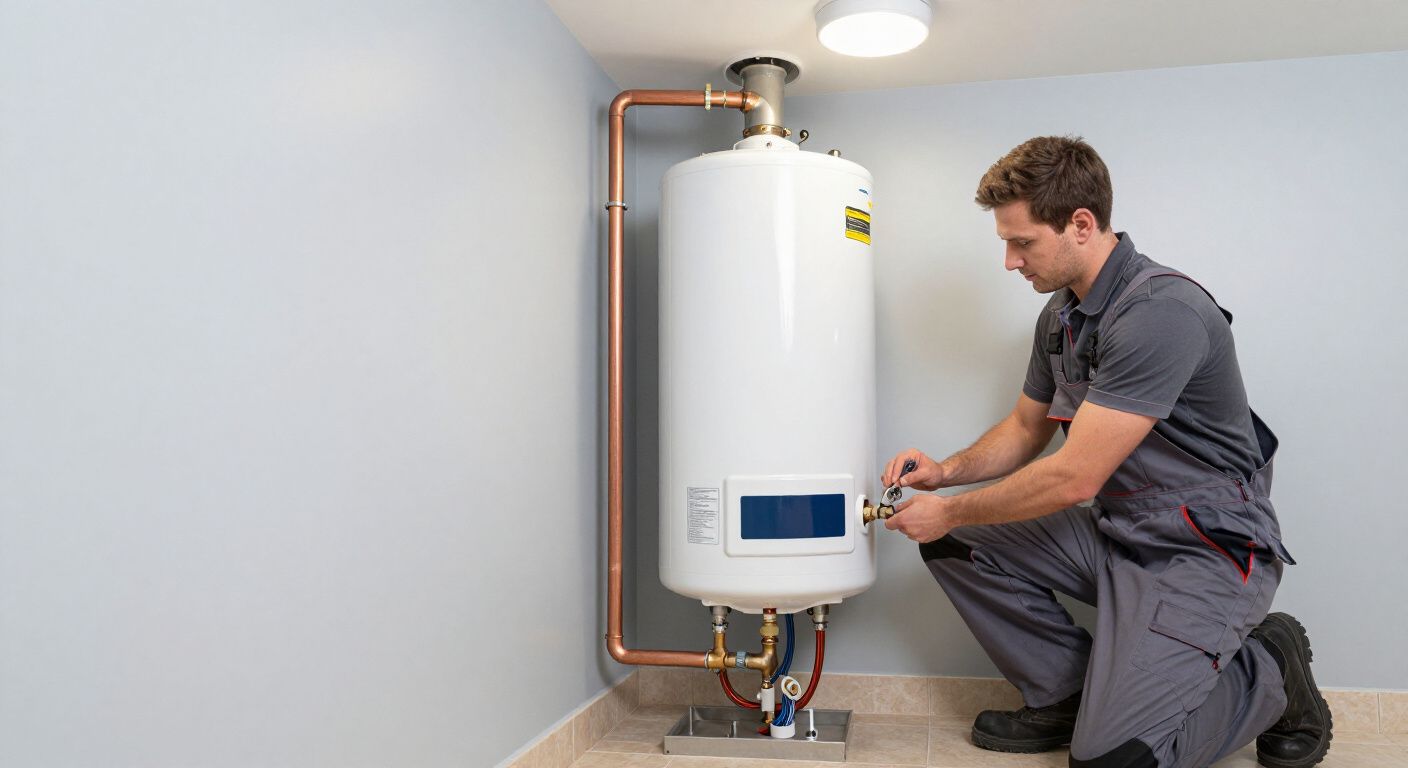
You walk past the water heater and hear the water running.
There's water on the floor, or water is coming from a pipe attached near the top or side of the tank.
That pipe may be connected to the temperature and pressure relief valve (T&P valve). Its Job is important: it provides a safety release if temperature or pressure inside the water heater gets too high.
So if your water heater relief valve is leaking or discharging, don't cap it, plug it, or ignore it.
What Should You Do First?
If water is actively flowing:
-Keep people and pets away from the discharge water, it may be extremely hot.
-Don't touch or block the relief valve opening.
-Avoid trying to tighten or dismantle the valve while the heater is operating
-If water is spreading toward electrical equipment , stay clear of the area.
- Contact a plumber promptly to determine why the valve is discharging
If you smell gas around a gas water heater, leave the area and contact your gas utility or emergency services from a safe location.
Why Would a Relief Valve Leak?
The valve itself isn't always the underlying problem.
Possible causes include:
A worn T&P valve. The valve can eventually stop sealing properly and begin dripping.
Excessive water pressure. Higher-than-appropriate system pressure can contribute to unwanted discharge.
Thermal expansion. As water heats, it expands. In certain closed plumbing systems , that expansion can increase pressure if it isn't properly controlled.
Excessive water temperature. A temperature-control problem can also cause the safety valve to operate.
That's why simply replacing the valve without checking the system may not solve the problem.
When Is It an Emergency?
Get urgent professional help if:
-water is continuously pouring from the discharge pipe;
-the water is extremely hot or producing steam;
-the heater is making unusual noises alongside the discharge;
-water is rapidly flooding the surrounding area;
-the valve repeatedly opens after being serviced; or
-you suspect excessive temperature or pressure
A small occasional drip still deserve investigation, but continuous discharge is much more urgent.
NEVER DO THIS:
Do not cap, plug, clamp or otherwise disable a T&P relief valve.
It's a safety device.
Stopping the discharge without correcting the reason behind it can remove an important protection built into the water heater.
The Better Question Isn't " How Do I Stop the Drip?"
It's:
"Why is the safety valve releasing water?"
A plumber can evaluate the valve along with the water pressure, temperature, thermal expansion, and the condition of the heater itself.
Sometimes the valve is the problem.
Sometimes it's warning you about another one.
Water Heater Emergency In South Florida?
If your water heater's relief valve is leaking or continuously discharging, Leading Plumbing Services can diagnose the cause and determine the appropriate repair.
Call or text Leading Plumbing Services: 561 506 6159
If the discharge is extremely hot, forceful, or accompanied by steam or other unusual behavior, keep your distance and treat the situation as urgent.
Author: