

Toilet Keeps Running? Here’s What’s Causing It and How It Can Quietly Cost You Hundreds
Nathanael Jolteus • December 12, 2025

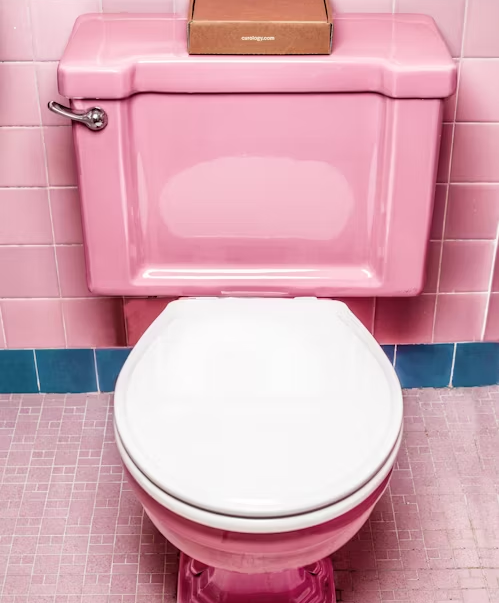
If your toilet keeps running, it’s more than an annoying sound, it’s one of the most common causes of hidden water waste in homes.


A running toilet can leak thousands of gallons of water per month, quietly inflating your water bill and stressing your plumbing system.


In South Florida, where water pressure, humidity, and older plumbing systems are common, running toilets happen more often , and get ignored far too long.


Let’s break down what’s actually happening inside the tank.


1. A Running Toilet Is Almost Always a Tank Component Failure

Inside the tank, several parts work together to stop water flow after each flush.


When one fails, water keeps flowing.


The most common culprits:

  • worn flapper

  • faulty fill valve

  • stuck float

  • misadjusted water level

  • cracked overflow tube

None of these fix themselves.


2. The Flapper Is the #1 Cause

The flapper seals water inside the tank after a flush.


Over time, flappers:

  • warp

  • harden

  • crack

  • collect mineral buildup

When the seal fails, water leaks from the tank into the bowl nonstop , causing the toilet to refill endlessly.

Florida minerals speed this up.


3. Fill Valve Problems

The fill valve controls how much water refills the tank.

If it:

  • sticks open

  • wears internally

  • gets mineral buildup

…the tank never stops refilling, even when full.


This often sounds like a constant hiss or refill noise.


4. Float Set Too High

If the float is set too high, water spills into the overflow tube.


That creates a silent, continuous refill cycle.


This is extremely common after DIY repairs.


5. Cracked or Misaligned Overflow Tube

If the overflow tube is:


  • cracked

  • too short

  • loose

…water drains constantly into the bowl.


This is subtle but expensive.


6. How Much a Running Toilet Can Cost You

A toilet that runs continuously can waste:


  • 200–300 gallons per day

  • 6,000–9,000 gallons per month

That’s hundreds of dollars per year ,  from one toilet.


In some South Florida municipalities, water overuse also triggers higher-tier billing rates.


7. Signs Your Toilet Has Been Running for a While


  • unexplained high water bill

  • tank refilling randomly

  • faint water movement sound

  • bowl water level slowly changing

  • mildew smell near toilet

  • condensation forming around base

If you hear the tank refill without flushing , it’s running.


8. DIY Checks You Can Do


✔ lift the tank lid

✔ flush and watch the flapper

✔ check if chain is tangled

✔ look for water flowing into overflow tube

✔ gently press flapper down


If water stops only when you press the flapper → it’s failing.


9. Why DIY Fixes Often Don’t Last


Homeowners often replace one part ,  but ignore others.


Problem:

  • new flapper + old fill valve

  • float adjusted but valve worn

  • mineral buildup left inside tank

This causes the problem to return within weeks.


10. When to Call a Plumber


Call a professional if:


  • toilet keeps running after DIY fix

  • water bill keeps rising

  • multiple toilets run

  • tank parts look corroded

  • toilet is older than 10 years

  • water pressure is high

  • refilling noise is constant

These often require full tank rebuild or pressure adjustment.


11. What We Do (Professional Repair)

At Leading Plumbing Services, we:


  • inspect all tank components

  • replace worn flappers and valves

  • adjust float levels correctly

  • test water pressure

  • clean mineral buildup

  • rebuild tank if needed

  • recommend toilet replacement if inefficient

We stop the running permanently, not temporarily.


12. Florida-Specific Reality

South Florida plumbing faces:


  • mineral-heavy water

  • higher water pressure

  • faster rubber degradation

  • older toilets in many homes

That’s why running toilets are one of our most common service calls.


Final Thoughts

If your toilet keeps running, you’re literally watching money go down the drain, even if you can’t see it.


Fixing it early:


  • lowers water bills

  • prevents tank damage

  • reduces moisture and mold risk

  • avoids emergency repairs

Call/Text us today to stop a running toilet for good:


(561) 506-6159


By Nathanael Jolteus December 16, 2025
You turn the handle all the way closed. The water stops. Then, five seconds later, drip… drip… drip. It’s easy to shrug off, especially if it eventually stops. But a faucet dripping after shut off isn’t harmless. It’s a sign that internal components are worn, misaligned, or failing and in South Florida, those issues progress faster than most homeowners expect. Let’s break down why that last drip happens, what it means inside the faucet, and when a simple fix prevents a bigger problem. 1. What “After Shut Off” Dripping Actually Means This isn’t a faucet left slightly open. A drip after shut off usually means: water is leaking past an internal seal pressure is forcing water through worn components the valve can’t fully seat anymore In other words, the faucet is closed, but not sealed . 2. Worn Washers (Common in Older Faucets) Compression-style faucets rely on rubber washers to stop water flow. Over time, washers: harden crack flatten lose elasticity When that happens, water sneaks past even after the handle is closed, causing a delayed drip. This is especially common in older South Florida homes. 3. Cartridge or Ceramic Disc Wear Modern faucets often use cartridges or ceramic discs. When these components wear or get mineral buildup: they don’t align perfectly micro-gaps remain pressure forces water through The result? A slow, persistent drip after shut off. 4. Mineral Buildup (Accelerated in South Florida) South Florida’s mineral-heavy water leaves scale behind. Mineral deposits: prevent tight seals scratch internal surfaces interfere with valve seating Even a high-quality faucet will drip once minerals build up enough. 5. High Water Pressure Makes Dripping Worse If your home’s water pressure is high, it pushes harder against worn seals. This causes: delayed dripping faster wear of faucet internals repeated failures even after DIY fixes Many homes here operate above recommended pressure without realizing it. 6. Why the Drip Sometimes Stops (Then Comes Back) You might notice: dripping right after shut off then it stops then returns days or weeks later That’s because: pressure fluctuates seals temporarily reseat wear continues underneath Intermittent dripping is still a failure, just an early one. 7. How Much Water a “Small Drip” Wastes One drip per second can waste: 3,000+ gallons per year hundreds of dollars over time treated drinking water unnecessarily Multiply that by multiple faucets, and the cost adds up fast. 8. DIY Fixes That Sometimes Work (Short-Term) You can try: ✔ tightening the handle gently ✔ cleaning mineral buildup at the aerator ✔ checking for loose handle screws If dripping persists, the issue is internal, and tightening won’t solve it. 9. Why Ignoring the Drip Causes Bigger Problems A dripping faucet can lead to: corrosion inside the faucet body damage to the sink or counter-top mold growth under sinks higher water bills premature faucet failure What starts as a drip often ends as a replacement. 10. When Replacement Makes More Sense Than Repair Repair may not be worth it if: the faucet is very old parts are discontinued corrosion is present multiple repairs have failed water pressure issues exist Modern faucets are more efficient and durable when properly installed. 11. What We Do (Professional Diagnosis & Fix) At Leading Plumbing Services , we: identify the exact faucet type inspect internal components replace worn washers or cartridges descale mineral buildup test and adjust water pressure recommend repair vs replacement honestly ensure a true, drip-free shutoff We fix the cause, not just the symptom. 12. Prevention Tips To prevent future dripping: ✔ address minor drips early ✔ avoid overtightening handles ✔ maintain proper water pressure ✔ descale fixtures periodically ✔ replace aging faucets proactively Small maintenance steps extend fixture life significantly. South Florida Homeowner Reality In South Florida, a faucet dripping after shut off is often accelerated by minerals and pressure, not poor quality. Waiting usually turns a simple repair into a full replacement. Final Thoughts If your faucet drips after you shut it off , it’s telling you something inside isn’t sealing anymore. Fixing it early saves water, money, and frustration, and keeps small problems from becoming big ones. Call/Text us today for faucet repair or replacement: (561) 506-6159
By Nathanael Jolteus December 16, 2025
A small drip from your water heater’s pressure relief valve is easy to dismiss. Many homeowners assume it’s “normal,” especially if it only leaks occasionally. In reality, a pressure relief valve leaking is never something to ignore , it’s a sign your system is under stress. In South Florida homes, this issue shows up frequently due to high water pressure, thermal expansion, and mineral buildup inside water heaters. Let’s break down what’s happening and when it becomes dangerous. 1. What the Pressure Relief Valve Is Designed to Do The pressure relief valve (often called the T&P valve): releases excess pressure prevents tank rupture protects against overheating It’s a safety device , not a drain. If it’s leaking, it’s reacting to a problem elsewhere in the system. 2. Excessive Water Pressure (Very Common) One of the most common reasons a pressure relief valve leaks is high incoming water pressure. When pressure is too high: the tank becomes over-pressurized the valve opens to release water dripping or periodic discharge occurs Many South Florida homes experience pressure levels higher than recommended without realizing it. 3. Thermal Expansion With Nowhere to Go When water heats up, it expands. If your home has: a closed plumbing system no expansion tank or a failing expansion tank …the expanding water has nowhere to go , so pressure builds and the relief valve opens. This often causes: intermittent leaking leaking after long hot water use dripping overnight 4. Failing or Worn Relief Valve Relief valves don’t last forever. Over time, they can: weaken collect mineral deposits fail to reseal properly Once a valve starts leaking due to wear, it often won’t stop on its own. 5. Sediment Buildup Inside the Water Heater South Florida’s mineral-heavy water causes sediment to build up inside tanks. Sediment: traps heat causes localized overheating increases internal pressure triggers the relief valve This is often accompanied by popping or rumbling noises from the heater. 6. Why This Is a Safety Issue A leaking relief valve isn’t dangerous by itself , but the condition causing it can be. Unchecked pressure issues can lead to: tank damage sudden leaks valve failure water heater rupture The relief valve is warning you before something worse happens. 7. Why Catching This Early Matters Ignoring a leaking relief valve can result in: water damage mold growth premature water heater failure emergency replacement Early correction often means a simple fix instead of a full replacement. 8. What You Should NOT Do ❌ Don’t cap or plug the valve ❌ Don’t ignore intermittent leaks ❌ Don’t assume it’s “normal” ❌ Don’t keep resetting it repeatedly The valve is doing its job , the system needs attention. 9. When to Call a Plumber Call a professional if: the valve leaks repeatedly water drips after every heating cycle pressure feels high at fixtures the heater makes noise the expansion tank is missing or failed the heater is 8+ years old These indicate system-level issues. 10. What We Do (Professional Diagnosis) At Leading Plumbing Services , we: test water pressure inspect the pressure relief valve evaluate expansion tank function flush sediment when appropriate inspect heater condition replace failed safety components ensure pressure stays within safe limits We correct the cause , not just the symptom. 11. Prevention Tips To prevent relief valve leaks: ✔ maintain proper water pressure ✔ install or maintain an expansion tank ✔ flush the heater annually ✔ address popping noises early ✔ replace aging safety valves Preventive care dramatically extends heater life. South Florida Homeowner Reality In South Florida, water heater pressure relief valve leaks are one of the most common early warnings before heater failure. Homeowners who act early usually avoid emergency replacements. Those who don’t often learn the hard way. Final Thoughts If your water heater is leaking from the pressure relief valve , your system is under pressure , literally. That leak is a warning, not a nuisance. Addressing it early protects: your home your water heater your safety your budget Call/Text us today for water heater pressure and safety inspection: (561) 506-6159