

Slow Draining Shower? What’s Really Causing It (and When It’s More Than Just Hair)
Nathanael Jolteus • December 12, 2025

A slow draining shower might seem like a minor annoyance, but in many South Florida homes, it’s the first warning sign of a deeper plumbing issue.


While hair and soap buildup are common causes, persistent slow drainage often points to blockages deeper in the drain line , or even problems with your home’s main sewer system.


Ignoring it almost always leads to standing water, odors, backups, and expensive repairs later.


Let’s break down what’s actually happening.


1. Hair + Soap Buildup (The Early Stage)


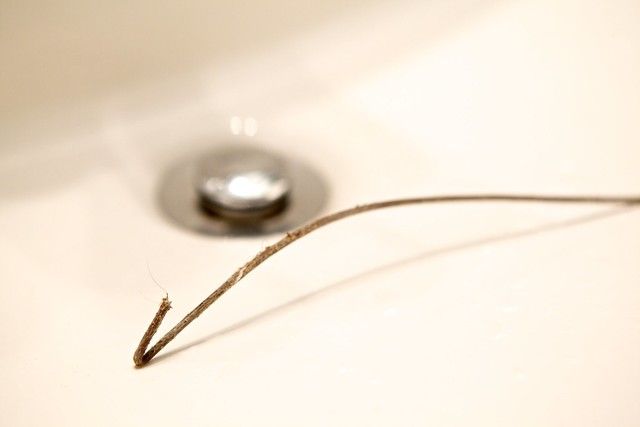
The most common cause of a slow shower drain is buildup from:

  • hair

  • soap residue

  • shampoo and conditioner

  • body oils

Over time, these materials bind together and coat the inside of the pipe, restricting water flow.


This usually starts slow , then gets worse.


2. Biofilm Inside the Drain

Beyond visible hair, there’s often biofilm inside the pipe.


Biofilm is a slimy layer of:

  • bacteria

  • soap residue

  • organic material

In Florida’s warm, humid climate, biofilm grows faster and thicker, dramatically slowing drainage even when the pipe isn’t “fully clogged.”


3. If Multiple Showers Drain Slowly

This is important.


If:


  • more than one shower drains slowly

  • tubs and showers are slow

  • bathroom sink also drains slowly

You may be dealing with a branch drain or main line restriction, not just a local clog.


4. Cast Iron Pipe Corrosion (Very Common in South Florida)

Homes built before the mid-1990s often have cast iron drain pipes.


Over time, cast iron:


  • corrodes internally

  • flakes

  • narrows the pipe diameter

  • traps debris

This causes chronic slow drains that keep coming back no matter how many times you “clear” them.


5. Sand and Sediment Intrusion

In South Florida, sandy soil can infiltrate older drain systems through:


  • cracked pipes

  • failed joints

  • deteriorated cast iron

Sediment settles in low points of the drain, slowing flow and creating recurring clogs.


6. Improper Drain Slope

Some homes were built with drain lines that don’t have proper slope.


Without enough downward pitch:


  • water drains slowly

  • debris settles

  • clogs form faster

This issue often shows up years after construction.


7. Signs It’s Becoming a Serious Problem

Call a professional if you notice:


  • water pooling during showers

  • gurgling sounds from drain

  • slow drainage getting worse

  • foul or musty smells

  • water backing up after showers

  • slow drainage returning quickly after DIY fixes

These usually indicate deeper pipe issues.


8. Why Chemical Drain Cleaners Make It Worse

Chemical cleaners:


  • don’t remove hair effectively

  • harden buildup further down the pipe

  • damage older plumbing

  • accelerate cast iron corrosion

They often give temporary relief, then cause bigger problems.


9. DIY Steps That Can Help (Short-Term)

You can try:


✔ removing the drain cover

✔ manually pulling hair

✔ flushing with hot water

✔ using a drain-safe enzyme cleaner


If drainage doesn’t noticeably improve, stop , the issue is likely deeper.


10. When Slow Drain Turns Into a Backup

Many shower backups start as slow drains.


Over time:

  • restriction increases

  • water flow drops

  • standing water forms

  • drain backs up completely

By the time water stops draining entirely, the fix is usually more involved.


11. What We Do (Professional Solution)

At Leading Plumbing Services, we:


  • inspect shower drain lines

  • remove hair and biofilm safely

  • clear branch drain blockages

  • camera inspect pipes

  • identify cast iron corrosion

  • remove sediment buildup

  • recommend long-term solutions

  • prevent repeat clogs

We fix the cause, not just the symptom.


12. Florida-Specific Reality

South Florida plumbing systems face:


  • heavy humidity

  • aggressive mineral buildup

  • older cast iron drains

  • sandy soil movement

That’s why slow draining showers are one of the most common early warnings we see.


Final Thoughts

A slow draining shower is rarely “just hair.”


It’s often the first sign your drain system is starting to restrict flow ,  and catching it early can save you from backups, odors, and costly repairs.


Call/Text us today for professional shower drain inspection and cleaning:


(561) 506-6159


By Nathanael Jolteus December 15, 2025
If your water pressure suddenly dropped throughout your home, that’s not normal , and it’s rarely caused by the city supply alone. Sudden pressure loss usually means something in your plumbing system has failed or is actively failing right now . In South Florida, pressure drops are often tied to hidden leaks, aging pipes, valve failures, or slab leaks that escalate quickly if ignored. Let’s break down the most likely causes, from most urgent to least. 1. Hidden Pipe Leak (Most Serious Cause) A sudden drop in pressure is one of the earliest signs of a hidden pipe leak. When water escapes from a pipe: less water reaches fixtures pressure drops instantly water may be leaking inside walls or under the slab If pressure dropped overnight or suddenly mid-day, a leak is very likely. 2. Slab Leak Under the Foundation Slab leaks cause pressure drops because water is escaping before it reaches the house. Common slab leak indicators: sudden pressure loss warm spots on flooring sound of running water when off rising water bill Slab leaks are extremely common in South Florida homes with older copper piping. 3. Failing Pressure Reducing Valve (PRV) Many homes have a PRV that regulates incoming water pressure. When a PRV fails: pressure can suddenly drop flow becomes inconsistent fixtures may sputter PRVs wear out over time and often fail without warning. 4. Main Shutoff Valve Partially Closed or Failing The main water shutoff valve can: corrode internally partially close restrict flow suddenly This is especially common with older gate-style valves found in many Florida homes. 5. Pipe Corrosion or Internal Collapse Older pipes (especially galvanized or cast iron) can corrode internally. When corrosion flakes off: pipe diameter narrows flow drops suddenly debris blocks water movement This can affect the entire home or specific sections. 6. Water Heater or Hot-Water-Side Pressure Drop If pressure dropped mainly on the hot water side, the issue may be: sediment clogging the water heater failing dip tube internal heater restriction Testing hot vs cold pressure helps narrow the cause. 7. City Supply Issues (Least Common, But Possible) Municipal issues do happen, but they’re far less common than homeowners assume. If: neighbors have normal pressure the issue persists for hours no notice was given …the problem is likely inside your home. 8. DIY Checks You Can Do Immediately ✔ test multiple fixtures ✔ check hot vs cold pressure ✔ inspect the main shutoff valve ✔ listen for water sounds when off ✔ check the water meter for movement If the meter moves when everything is off → you have a leak. 9. Why Sudden Pressure Drops Shouldn’t Be Ignored Ignoring pressure loss can lead to: worsening leaks wall or slab damage mold growth pipe bursts emergency repairs Pressure loss is often the first warning, not the last. 10. When to Call a Plumber Immediately Call a professional if: pressure dropped suddenly pressure is low everywhere you hear water when off water bill rises damp spots appear warm floors are present These signs point to active system failure. 11. What We Do (Professional Diagnosis) At Leading Plumbing Services , we: test system pressure inspect shutoff valves and PRVs locate hidden leaks perform leak detection inspect slab and wall piping isolate and repair the issue restore proper pressure safely We don’t guess , we diagnose. 12. South Florida Homeowner Reality In South Florida, a sudden water pressure drop is often tied to: aging plumbing mineral corrosion slab construction high water pressure stress shifting sandy soil Waiting usually makes the repair more expensive. Final Thoughts If your water pressure suddenly dropped , your plumbing system is telling you something has changed , and it needs attention. Catching the cause early can prevent: major water damage foundation issues mold remediation emergency pipe failures Call/Text us today for immediate water pressure and leak diagnostics: (561) 506-6159
By Nathanael Jolteus December 15, 2025
If your water heater is making a popping noise , banging, or rumbling sound, it’s not just normal operation , it’s a warning sign coming from inside the tank. In South Florida, this issue is extremely common due to mineral-heavy water and sediment buildup that accelerates wear inside water heaters. Ignoring the noise often leads to reduced efficiency, higher bills, leaks, or full tank failure. Let’s break down exactly what’s happening and why it matters. 1. The Popping Noise Is Caused by Sediment Buildup The most common cause of popping or rumbling sounds is sediment buildup at the bottom of the tank. Over time: minerals settle at the base sediment hardens into a thick layer heating elements or burners heat the sediment trapped water turns to steam steam bubbles escape suddenly That sudden release causes the popping or banging sound. 2. Why This Happens Faster in South Florida South Florida water contains high mineral content. This causes: faster sediment accumulation thicker buildup at the tank bottom overheating in localized areas accelerated tank wear Many Florida water heaters develop sediment problems years earlier than expected. 3. Popping Noise = Reduced Efficiency When sediment builds up: heat can’t transfer efficiently the heater works harder hot water takes longer energy usage increases That noise usually comes with higher utility bills and inconsistent hot water. 4. Long-Term Damage Sediment Causes Ignoring sediment buildup can lead to: cracked tank lining overheated heating elements premature tank corrosion leaks at the bottom of the heater total tank failure Once the tank itself is damaged, replacement is the only option. 5. Gas vs Electric Water Heaters Gas heaters: popping comes from burner heating sediment Electric heaters: popping comes from heating elements buried in mineral scale Both types suffer damage when sediment is left unchecked. 6. When the Noise Gets Louder Over Time A noise that increases means: sediment layer is growing overheating is worsening internal stress is increasing Louder noise = less time before failure. 7. Is a Popping Water Heater Dangerous? Usually it’s not an immediate explosion risk , but it can become dangerous if ignored. Risks include: sudden tank rupture leaking hot water flooding scalding hazards damage to nearby property It’s a problem that escalates quietly. 8. DIY Fixes That Don’t Work Homeowners often try: turning temperature down ignoring the noise draining a small amount of water Partial draining doesn’t remove hardened sediment and rarely solves the problem. 9. When a Flush Can Help If the heater is: relatively new not leaking not heavily corroded A professional flush can remove sediment and stop the noise. However, flushing an old, weakened tank can sometimes reveal leaks , which means replacement is near anyway. 10. Signs Replacement Is the Better Option Replacement is usually recommended if: heater is 8–12 years old popping is loud and constant tank shows rust water heater leaks hot water quality is poor energy bills increased suddenly At this stage, repairs are often temporary. 11. What We Do (Professional Service) At Leading Plumbing Services , we: inspect water heater condition identify sediment severity safely flush tanks when appropriate test heating elements or burners inspect tank integrity recommend repair vs replacement honestly install high-efficiency replacements if needed We focus on safety and long-term value. 12. How to Prevent Popping in the Future  ✔ flush water heater annually ✔ install a water softening solution if needed ✔ replace anode rods regularly ✔ address noise early ✔ avoid overheating settings Preventive maintenance can add years to heater life. South Florida Homeowner Reality In South Florida, a water heater making popping noise is almost always caused by sediment buildup , and it’s one of the clearest early warnings before leaks and tank failure occur. Ignoring it usually means replacing the heater sooner than planned. Final Thoughts If your water heater is making popping noises , it’s telling you sediment has taken over the bottom of the tank. Addressing it early can save money, improve efficiency, and prevent flooding. Call/Text us today for water heater inspection, flushing, or replacement: (561) 506-6159