

Toilet Overflowing? Do This Immediately to Stop Damage and Contamination
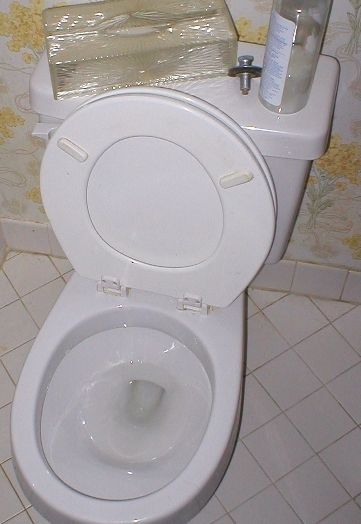
Few plumbing emergencies cause panic faster than an overflowing toilet. Water rises quickly, spills onto floors, and in many cases carries contaminated waste into living space.
What you do in the first few minutes determines whether this stays a manageable incident ,or becomes a full sanitation and restoration nightmare.
If you’re facing a toilet overflowing emergency, follow the steps below immediately.
STEP 1: Shut Off the Water to the Toilet (Right Now)
Behind the toilet is a small shutoff valve.
- turn it
clockwise to stop water flow
- if the valve won’t turn or is missing, remove the tank lid
- lift the float inside the tank to stop refilling
Stopping the water is the single most important action.
STEP 2: Do NOT Flush Again
Flushing again:
- adds more water
- forces waste higher
- spreads contamination
- increases cleanup damage
One flush too many can flood the entire bathroom.
STEP 3: Determine What Type of Overflow This Is
This matters.
🚽
Clean Water Overflow
- bowl rises but drains slowly
- no sewage smell
- usually a toilet-level blockage
🚨
Sewage Overflow
- dirty water
- foul odor
- backup appears in shower or floor drain
- multiple fixtures affected
If it’s sewage , stop everything and call immediately.
Why Toilets Overflow (South Florida Causes)
In South Florida, toilet overflows are often caused by:
- partial sewer line blockages
- cast iron pipe deterioration
- flushing non-flushable items
- excessive toilet paper
- shared drain backups
- heavy rain overwhelming old systems
Many overflows are system failures, not toilet defects.
🚫 What NOT to Do During a Toilet Overflow
❌ Do NOT plunge aggressively if sewage is present
❌ Do NOT use chemical drain cleaners
❌ Do NOT continue using plumbing elsewhere
❌ Do NOT ignore water on the floor
❌ Do NOT assume it’s “just the toilet”
These mistakes frequently turn minor issues into major damage.
Health Risks of Overflowing Toilets
Overflow water may contain:
- bacteria
- viruses
- parasites
Exposure can cause illness. Keep:
- children
- pets
- bare skin
away from affected areas until resolved.
If the Overflow Happened Suddenly
Pay attention to timing.
If the toilet overflowed:
- without warning
- after rain
- when another fixture was used
…it strongly suggests a main drain or sewer issue, not a local clog.
When to Call an Emergency Plumber IMMEDIATELY
Call right away if:
- water won’t stop rising
- shutoff valve doesn’t work
- sewage is present
- multiple fixtures are affected
- backups repeat
- gurgling or bubbling occurs
- the home has older plumbing
These are same-hour emergencies.
How Emergency Plumbers Handle Toilet Overflows
At Leading Plumbing Services, emergency response includes:
- stopping the overflow safely
- diagnosing toilet vs sewer failure
- clearing blockages properly
- camera inspecting drain lines
- identifying pipe collapse or corrosion
- preventing repeat overflows
We focus on root cause, not just cleanup.
Why Waiting Makes It Worse
Delaying repair can lead to:
- contaminated flooring
- mold growth
- damaged baseboards and drywall
- insurance complications
- recurring overflows
Overflow damage compounds fast in South Florida humidity.
After the Overflow Is Stopped
Professional evaluation is still critical.
We determine:
- why the overflow occurred
- whether the toilet is the issue
- if the drain line is failing
- what prevents recurrence
Stopping the water is step one. Preventing the next overflow is step two.
South Florida Emergency Reality
In South Florida, toilet overflowing emergencies are often the first visible sign of failing cast iron pipes or developing sewer blockages.
Many homes show subtle signs first , slow drains, gurgling, odors , before an overflow occurs.
Final Emergency Guidance
If your toilet is overflowing, stop the water immediately and do not flush again.
Protect your household and call a professional before contamination spreads.
Call/Text Leading Plumbing Services now for 24/7 emergency toilet overflow response:
(561) 506-6159