

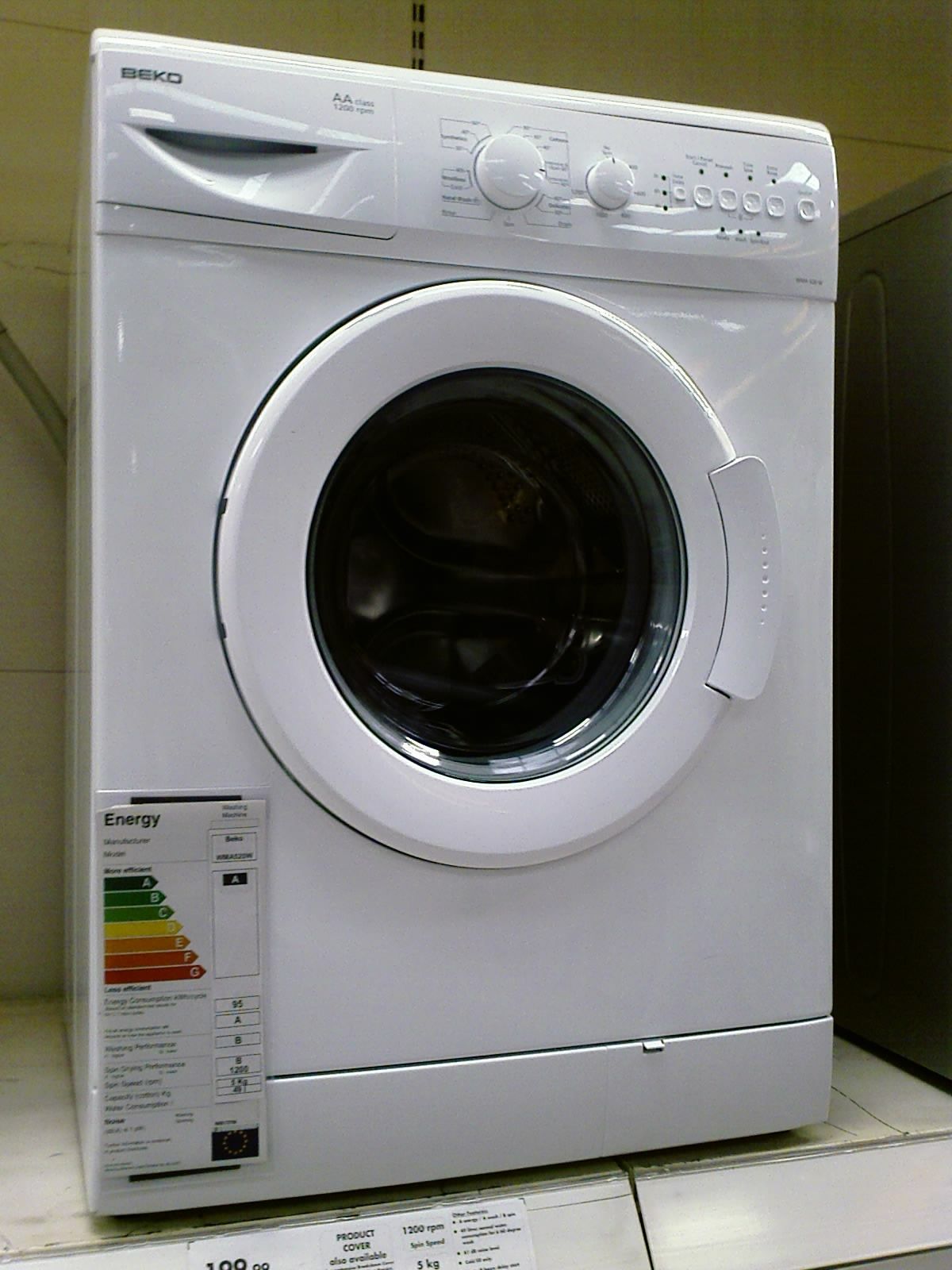
Washing Machine Drain Backing Up? What That Sudden Flood Is Telling You
Nathanael Jolteus • December 16, 2025

You start a load of laundry, walk away, and come back to water pooling on the floor or rising out of a nearby drain. No warning. No slow buildup.


Just a mess.


When a washing machine drain is backing up, it’s rarely just a laundry issue. It’s your plumbing system failing to handle a large, fast discharge of water , and that usually means there’s a restriction deeper in the drain line.


In South Florida homes, this is one of the most common early signs of a serious drain or sewer problem.


1. Washing Machines Dump Water Fast

Unlike sinks or showers, washing machines release:

  • a large volume of water

  • in a short burst

  • under pressure

If the drain line can’t move that water quickly enough, it has only one place to go , back up and out.


2. Where the Water Usually Comes Back Up

When a washing machine drain backs up, water often appears in:

  • the laundry standpipe

  • a nearby floor drain

  • a utility sink

  • the bathtub or shower

  • sometimes even a toilet

This tells us the issue is not the washer , it’s the shared drain line.


3. Lint Is a Major Contributor

Laundry drains collect more than water.


They also carry:

  • lint

  • detergent residue

  • fabric fibers

  • dirt and debris

Lint sticks easily to pipe walls, especially in older or rough interior pipes, creating slow-forming blockages.


4. Soap and Detergent Buildup

Modern detergents are thick and sticky.

Over time, they:

  • coat the inside of pipes

  • trap lint

  • mix with minerals

  • harden into dense buildup

This narrows the pipe diameter until it can’t handle high-volume flow.


5. Cast Iron Pipes Make This Worse (Very Common in South Florida)

Many South Florida homes still have cast iron drain lines.

Cast iron:

  • corrodes internally

  • flakes and scales

  • creates rough surfaces

  • traps lint and debris

This turns normal laundry discharge into a backup risk.


6. If the Backup Happens Only When the Washer Runs

That’s an important clue.

If:

  • sinks drain fine

  • showers seem normal

  • but the washer causes a backup

…it usually means the drain line is partially blocked, not completely clogged, yet.

This is often the last warning before full failure.


7. Why Chemical Drain Cleaners Don’t Work Here

Laundry drain blockages are dense and fibrous.


Chemical cleaners:

  • don’t dissolve lint effectively

  • harden buildup further down the line

  • damage older pipes

  • accelerate cast iron corrosion

They often turn a manageable problem into a much bigger one.


8. Signs the Problem Is Getting Worse

Call a plumber if you notice:


  • repeated backups

  • slow drainage after laundry

  • gurgling sounds

  • sewer or musty smells

  • water backing up into other fixtures

  • backups after heavy rain

These indicate a system-level restriction.


9. What You Should Do Immediately

If your washing machine drain is backing up:


✔ stop using the washer

✔ don’t run additional water

✔ clean up standing water promptly

✔ avoid plunging aggressively

✔ schedule a drain inspection


Continuing to run loads increases the chance of a full sewer backup.


10. What We Do (Professional Diagnosis)

At Leading Plumbing Services, we:


  • inspect laundry drain lines

  • clear lint and detergent buildup

  • camera-inspect the drain

  • identify cast iron deterioration

  • clear branch or main drain restrictions

  • test high-volume discharge safely

  • confirm proper drainage before leaving

We fix the cause, not just the overflow.


11. Long-Term Prevention

To reduce future laundry backups:


✔ avoid excess detergent

✔ clean washer lint filters regularly

✔ schedule professional drain cleaning

✔ inspect older drain systems

✔ address slow drainage early


Preventive service is far cheaper than water damage cleanup.


South Florida Homeowner Reality

In South Florida, a washing machine drain backing up is often the first visible sign of:


  • lint-restricted drain lines

  • cast iron corrosion

  • developing sewer issues

Ignoring it usually leads to larger backups elsewhere in the home.


Final Thoughts

If your washing machine drain is backing up, your plumbing system is already struggling with high-volume flow.


Catching it now can prevent:


  • flooded laundry rooms

  • sewage backups

  • mold growth

  • flooring damage

  • emergency repairs

    Call/Text us today for laundry drain inspection and cleaning:

(XXX) XXX-XXXX


By Nathanael Jolteus September 5, 2026
You reach under the sink for something and notice a puddle. Then you see it: water collecting around the small shutoff valve coming out of the wall. It may only be dripping now, but a leaking shutoff valve, also called an angle stop, deserves attention because it's connected directly to your home's pressurized water supply. Here's what to do. FIRST: Figure Out How Serious the Leak Is A few drops around the valve stem is different from water spraying from the connection. If it's actively spraying or the leak is getting worse: -Stop using the fixture. -Put a container or towels underneath if safe. -Don't repeatedly open and close an old or corroded valve. -Shut off the home's main water supply if you cannot control the leak locally. If water is reaching an electrical outlet or appliance, keep away from affected area and address the electrical hazard safely. WHY Do Shutoff Valves Start Leaking? These valves can sit untouched for years. Then one day they're operated and suddenly begin dripping. Possible causes include: A worn valve stem or seal. Internal components deteriorate with age. A leaking connection. Water may be escaping where the valve connects to the supply pipe or fixture supply line. Corrosion. An older valve or connection can weaken enough to begin leaking. A failing supply line nearby. Sometimes the valve isn't actually the source. Water from the flexible supply line above it runs downward and makes the valve appear responsible. That last possbility is why finding the exact leak point matters. When Is This an Emergency? Call a plumber promptly if: -water is spraying instead of dripping -the valve won't completely shut off; - the valve looks heavily corroded; -the leak suddenly becomes worse; -the wall or cabinet is getting wet; -the connected supply line is bulging or damaged; or - you can't stop the water A slow drip may not require a middle-of-the-night response, but it shouldn't be forgotten either. Water leaking inside a cabinet can damage wood, drywall and flooring before the problem looks serious from the outside. DON'T DO THIS If an old valve feels stuck, don't put excessive force on it with pliers. The goal is to stop a leak, not turn an aging valve or connection into a broken pressurized line. If you're unsure, isolate the home's water supply and have the valve inspected. A Small Part Can Still Cause a Big Mess Shutoff Valves are easy to overlook because they're small. But they're also supposed to be your first line of defense when a toilet, faucet or appliance develops a leak. If the shutoff itself doesn't work when you need it, you lose that protection. That's a good reason to repair a leaking or unreliable valve before the next plumbing problem happens. Need a Plumber for a Leaking Shutoff Valve in South Florida? Leading Plumbing Services can identify whether the leak is coming from the valve, connection or supply line and repair the actual source. Call or text Leading Plumbing Services @ 561 506 6159 If water is actively escaping and the fixture valve won't stop it, shut off the main water supply if you can safely do so and get plumbing help as soon as possible. Author: Nathanael Jolteus
By Nathanael Jolteus September 4, 2026
You turn the shower handle to OFF. The water keeps running. You try it again. Nothing. Ugh so annoying. If your shower won't turn off, don't keep forcing the handle. A failed cartridge, valve , or internal component may be preventing the water from shutting off, and a small repair can become a much bigger problem if something breaks behind the wall. Here's what to do. FIRST: STOP the Water If the shower is running normally into an open drain, you have a little time. But you still want to stop the flow as soon as possible. If you know where your home's main water shut off valve is, turn it off. Then: - Keep the shower drain clear -Move anything that could block the drain. -Don't remove the shower handle or valve while the water is still on. -Don't force a stuck handle with tools. If water is escaping outside the shower or entering a wall, treat it as an active plumbing emergency. Why Won't the Shower Shut OFF? Usually , the problem is inside the shower valve. Common possibilities include: A failed cartridge. The cartridge controls water flow and temperature. When it wears out or breaks, turning the handle may no longer stop the water. A damage valve stem or internal component. The handle can move normally while the parts behind it no longer respond correctly. Mineral buildup. Deposits can interfere with moving components and make an aging valve harder to operate. A broken handle connection. Sometimes the handle turns, but it isn't actually moving the valve mechanism behind the wall. The important part: don't assume you need to replace the entire shower valve until the problem has been properly diagnosed. When Should You Call an Emergency Plumber? Get help quickly if: - the shower is running at full flow and won't stop - the main shutoff doesn't work; -the water is leaking from behind the handle or wall; - the shower is overflowing because the drain can't keep up; -you hear water running inside the wall; or - shutting off the shower affects the rest of the plumbing unexpectedly. If the water is safely draining, you may have time to arrange a repair, but leaving the shower running wastes water and puts unnecessary stress on the situation. ONE Mistake to Avoid Don't start taking the valve apart while the plumbing is pressurized. Removing the wrong component with the water supply is still on can turn a shower that won't shut off into water spraying directly from the wall. Get the water isolated first. Diagnose second. Need Help With a Shower That Won't Turn Off in South Florida? A shower that keep running is frustrating, but the solution may be relatively straightforward when it's handled before additional damage occurs. Leading Plumbing Services LLC can diagnose the valve, determine what actually failed, and make the appropriate repair. Call or text Leading Plumbing Services: 561 506 6159 If water is actively escaping into the bathroom, wall or surrounding rooms, shut off the home's water supply if you can safely do so and get plumbing help right away. Author: Nathanael Jolteus