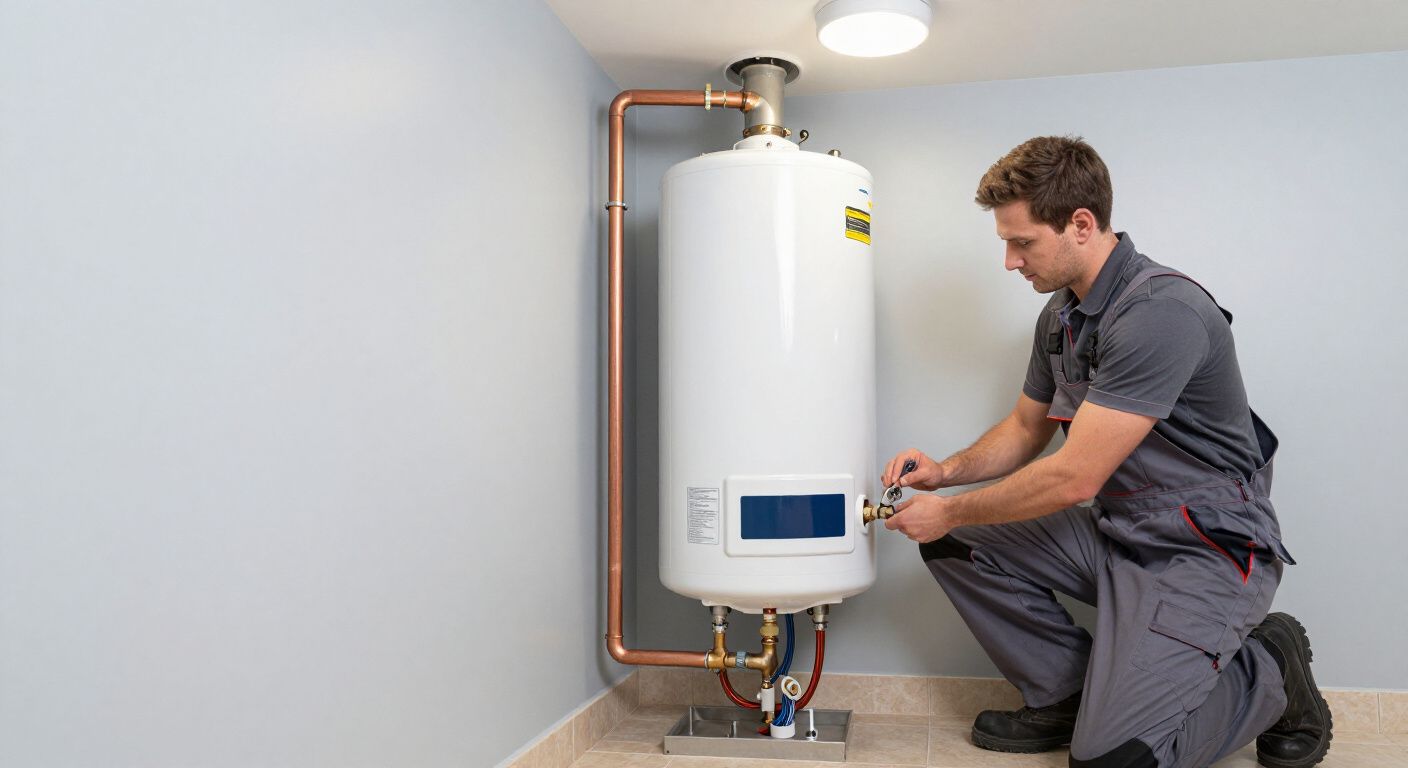


Water Heater Leaking From the Bottom? Here’s What It Means and Why Time Matters
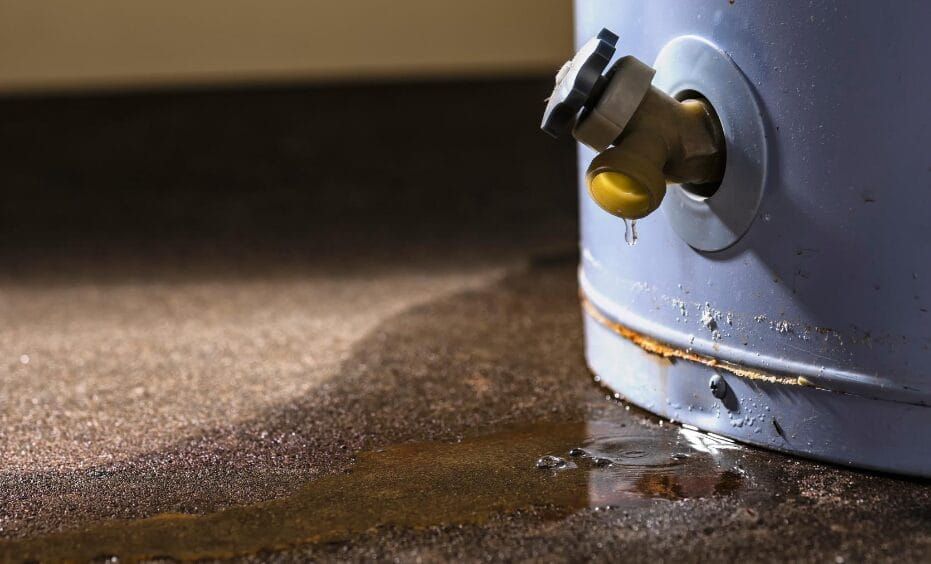
If your water heater is leaking from the bottom, that’s not a minor drip, it’s one of the clearest signs your water heater is failing or under serious stress.
In many cases, a bottom leak means internal damage that cannot be patched and will only get worse.
In South Florida, this issue shows up frequently due to mineral-heavy water, humidity, and aging heaters that corrode faster than expected.
Let’s break down exactly what’s happening and what you should do immediately.
1. Bottom Leaks Usually Mean Internal Tank Damage
When a water heater leaks from the bottom, the most common cause is internal corrosion of the tank.
Over time:
- sediment settles at the bottom
- minerals harden and trap heat
- the tank overheats at the base
- the inner lining cracks
- water escapes through the bottom
Once the tank itself is leaking, repairs are no longer an option.
2. Sediment Buildup Accelerates Failure
South Florida water contains minerals that collect at the bottom of the heater.
This causes:
- overheating at the base
- popping or rumbling noises
- weakened steel
- cracks forming internally
Sediment acts like insulation, forcing the heater to work harder , and fail sooner.
3. It Might Look Like a Valve Leak (But Often Isn’t)
Sometimes water appears to come from the bottom when it’s actually:
- the drain valve leaking
- the temperature & pressure (T&P) valve releasing water
- condensation dripping off internal components
However, true bottom leaks usually persist even when the heater is off , a key warning sign.
4. How to Tell If the Tank Itself Is Leaking
Strong indicators of tank failure:
- water pooling under the center of the heater
- rust around the base
- constant moisture even when not heating
- leak worsens over time
- heater is 8–12 years old
- popping or cracking noises occurred before leak
If these apply, the tank has failed.
5. Why This Is Common in South Florida
Water heaters fail faster here due to:
- mineral-heavy water
- lack of annual flushing
- high humidity
- coastal air corrosion
- older homes with aging plumbing
Many Florida heaters fail years earlier than manufacturer estimates.
6. Can a Bottom Leak Be Repaired?
Short answer: No, not if it’s the tank.
You cannot:
- seal internal cracks
- weld a lined tank
- patch corrosion
- safely stop internal leaks
Once the tank leaks, replacement is the only safe option.
7. What to Do Immediately
If you see water leaking from the bottom:
✔ Turn off power (electric) or gas
✔ Shut off the water supply to the heater
✔ Avoid standing water (slip + electrical hazard)
✔ Do NOT ignore “small” leaks
✔ Call a plumber ASAP
Waiting risks flooding, mold, and property damage.
8. Why Waiting Makes It Worse
A leaking tank can suddenly:
- rupture completely
- flood the area
- damage flooring
- damage drywall
- cause mold growth
- damage nearby electrical components
We often see “small leaks” turn into major floods overnight.
9. How Long Do Water Heaters Last?
Typical lifespan:
- Electric: 8–12 years
- Gas: 8–10 years
In South Florida, it’s often shorter without maintenance.
If your heater is near or past this range, a bottom leak is expected , not surprising.
10. When Replacement Is the Smart Move
Replacement is recommended if:
- tank is leaking
- heater is over 8 years old
- rust is visible
- hot water quality is poor
- heater makes noise
- energy bills increased
- repairs would be temporary
Replacing early prevents emergency damage.
11. What We Do (Professional Service)
At Leading Plumbing Services, we:
- confirm source of leak
- inspect valves vs tank failure
- shut down system safely
- remove failed heater
- inspect surrounding damage
- install new energy-efficient units
- ensure proper drainage and safety
- haul away old unit
We handle everything start to finish.
12. Prevention for the Future
To extend heater life:
✔ flush annually
✔ replace anode rod every 3–5 years
✔ monitor for noise
✔ address pressure issues early
✔ don’t ignore sediment signs
Maintenance can add years to heater lifespan.
Florida Homeowner Reality
In South Florida, a water heater leaking from the bottom almost always means the tank has reached end of life.
Trying to “wait it out” usually leads to:
- flooding
- mold remediation
- insurance claims
- emergency replacement costs
Final Thoughts
If your water heater is leaking from the bottom, the tank has likely failed , and time is critical.
Acting quickly protects your home and avoids much larger damage.
Call/Text us immediately for water heater leak inspection or replacement:
(561) 506-6159