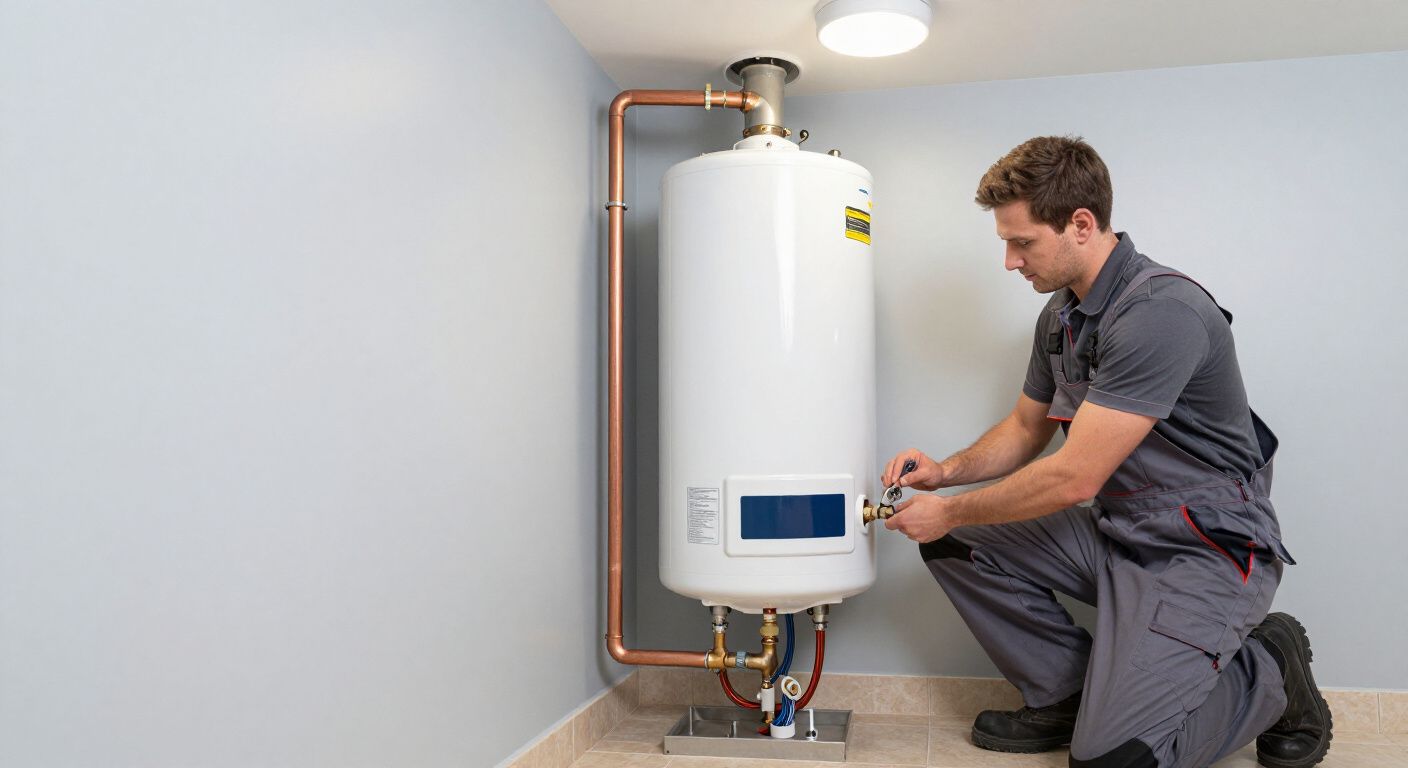


Water Heater Leaking From the Pressure Relief Valve? Here’s What That Actually Means
Nathanael Jolteus • December 16, 2025

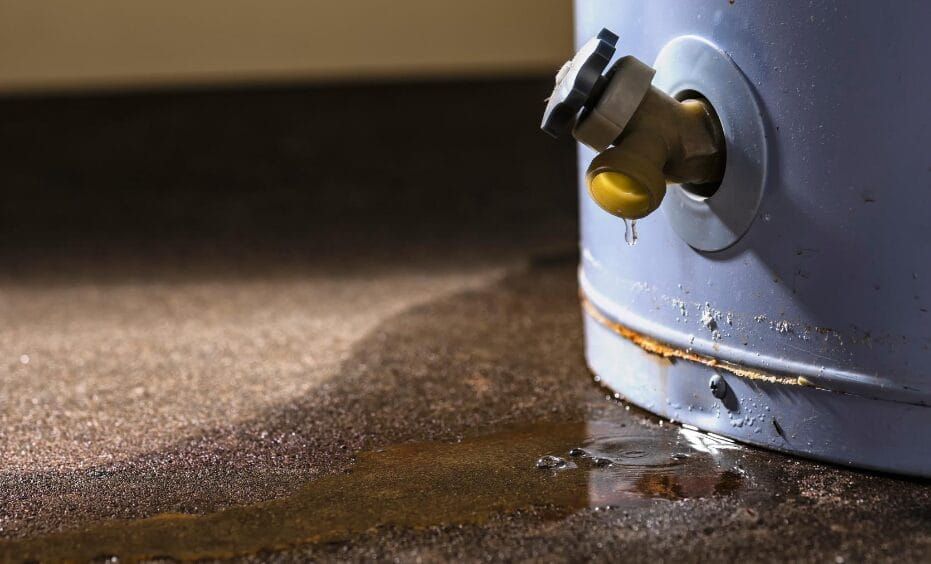
A small drip from your water heater’s pressure relief valve is easy to dismiss. Many homeowners assume it’s “normal,” especially if it only leaks occasionally.


In reality, a pressure relief valve leaking is never something to ignore , it’s a sign your system is under stress.


In South Florida homes, this issue shows up frequently due to high water pressure, thermal expansion, and mineral buildup inside water heaters.


Let’s break down what’s happening and when it becomes dangerous.


1. What the Pressure Relief Valve Is Designed to Do

The pressure relief valve (often called the T&P valve):

  • releases excess pressure

  • prevents tank rupture

  • protects against overheating

It’s a safety device , not a drain.


If it’s leaking, it’s reacting to a problem elsewhere in the system.


2. Excessive Water Pressure (Very Common)

One of the most common reasons a pressure relief valve leaks is high incoming water pressure.


When pressure is too high:

  • the tank becomes over-pressurized

  • the valve opens to release water

  • dripping or periodic discharge occurs

Many South Florida homes experience pressure levels higher than recommended without realizing it.


3. Thermal Expansion With Nowhere to Go

When water heats up, it expands.

If your home has:

  • a closed plumbing system

  • no expansion tank

  • or a failing expansion tank

…the expanding water has nowhere to go , so pressure builds and the relief valve opens.


This often causes:

  • intermittent leaking

  • leaking after long hot water use

  • dripping overnight


4. Failing or Worn Relief Valve

Relief valves don’t last forever.


Over time, they can:

  • weaken

  • collect mineral deposits

  • fail to reseal properly

Once a valve starts leaking due to wear, it often won’t stop on its own.


5. Sediment Buildup Inside the Water Heater

South Florida’s mineral-heavy water causes sediment to build up inside tanks.


Sediment:

  • traps heat

  • causes localized overheating

  • increases internal pressure

  • triggers the relief valve

This is often accompanied by popping or rumbling noises from the heater.


6. Why This Is a Safety Issue

A leaking relief valve isn’t dangerous by itself ,  but the condition causing it can be.

Unchecked pressure issues can lead to:

  • tank damage

  • sudden leaks

  • valve failure

  • water heater rupture

The relief valve is warning you before something worse happens.


7. Why Catching This Early Matters

Ignoring a leaking relief valve can result in:

  • water damage

  • mold growth

  • premature water heater failure

  • emergency replacement

Early correction often means a simple fix instead of a full replacement.


8. What You Should NOT Do


❌ Don’t cap or plug the valve

❌ Don’t ignore intermittent leaks

❌ Don’t assume it’s “normal”

❌ Don’t keep resetting it repeatedly


The valve is doing its job , the system needs attention.


9. When to Call a Plumber

Call a professional if:


  • the valve leaks repeatedly

  • water drips after every heating cycle

  • pressure feels high at fixtures

  • the heater makes noise

  • the expansion tank is missing or failed

  • the heater is 8+ years old

These indicate system-level issues.


10. What We Do (Professional Diagnosis)

At Leading Plumbing Services, we:


  • test water pressure

  • inspect the pressure relief valve

  • evaluate expansion tank function

  • flush sediment when appropriate

  • inspect heater condition

  • replace failed safety components

  • ensure pressure stays within safe limits

We correct the cause , not just the symptom.


11. Prevention Tips

To prevent relief valve leaks:


✔ maintain proper water pressure

✔ install or maintain an expansion tank

✔ flush the heater annually

✔ address popping noises early

✔ replace aging safety valves


Preventive care dramatically extends heater life.


South Florida Homeowner Reality

In South Florida, water heater pressure relief valve leaks are one of the most common early warnings before heater failure.


Homeowners who act early usually avoid emergency replacements.


Those who don’t often learn the hard way.


Final Thoughts

If your water heater is leaking from the pressure relief valve, your system is under pressure , literally. That leak is a warning, not a nuisance.

Addressing it early protects:


  • your home

  • your water heater

  • your safety

  • your budget

 Call/Text us today for water heater pressure and safety inspection:


(561) 506-6159


By Nathanael Jolteus December 16, 2025
You turn the handle all the way closed. The water stops. Then, five seconds later, drip… drip… drip. It’s easy to shrug off, especially if it eventually stops. But a faucet dripping after shut off isn’t harmless. It’s a sign that internal components are worn, misaligned, or failing and in South Florida, those issues progress faster than most homeowners expect. Let’s break down why that last drip happens, what it means inside the faucet, and when a simple fix prevents a bigger problem. 1. What “After Shut Off” Dripping Actually Means This isn’t a faucet left slightly open. A drip after shut off usually means: water is leaking past an internal seal pressure is forcing water through worn components the valve can’t fully seat anymore In other words, the faucet is closed, but not sealed . 2. Worn Washers (Common in Older Faucets) Compression-style faucets rely on rubber washers to stop water flow. Over time, washers: harden crack flatten lose elasticity When that happens, water sneaks past even after the handle is closed, causing a delayed drip. This is especially common in older South Florida homes. 3. Cartridge or Ceramic Disc Wear Modern faucets often use cartridges or ceramic discs. When these components wear or get mineral buildup: they don’t align perfectly micro-gaps remain pressure forces water through The result? A slow, persistent drip after shut off. 4. Mineral Buildup (Accelerated in South Florida) South Florida’s mineral-heavy water leaves scale behind. Mineral deposits: prevent tight seals scratch internal surfaces interfere with valve seating Even a high-quality faucet will drip once minerals build up enough. 5. High Water Pressure Makes Dripping Worse If your home’s water pressure is high, it pushes harder against worn seals. This causes: delayed dripping faster wear of faucet internals repeated failures even after DIY fixes Many homes here operate above recommended pressure without realizing it. 6. Why the Drip Sometimes Stops (Then Comes Back) You might notice: dripping right after shut off then it stops then returns days or weeks later That’s because: pressure fluctuates seals temporarily reseat wear continues underneath Intermittent dripping is still a failure, just an early one. 7. How Much Water a “Small Drip” Wastes One drip per second can waste: 3,000+ gallons per year hundreds of dollars over time treated drinking water unnecessarily Multiply that by multiple faucets, and the cost adds up fast. 8. DIY Fixes That Sometimes Work (Short-Term) You can try: ✔ tightening the handle gently ✔ cleaning mineral buildup at the aerator ✔ checking for loose handle screws If dripping persists, the issue is internal, and tightening won’t solve it. 9. Why Ignoring the Drip Causes Bigger Problems A dripping faucet can lead to: corrosion inside the faucet body damage to the sink or counter-top mold growth under sinks higher water bills premature faucet failure What starts as a drip often ends as a replacement. 10. When Replacement Makes More Sense Than Repair Repair may not be worth it if: the faucet is very old parts are discontinued corrosion is present multiple repairs have failed water pressure issues exist Modern faucets are more efficient and durable when properly installed. 11. What We Do (Professional Diagnosis & Fix) At Leading Plumbing Services , we: identify the exact faucet type inspect internal components replace worn washers or cartridges descale mineral buildup test and adjust water pressure recommend repair vs replacement honestly ensure a true, drip-free shutoff We fix the cause, not just the symptom. 12. Prevention Tips To prevent future dripping: ✔ address minor drips early ✔ avoid overtightening handles ✔ maintain proper water pressure ✔ descale fixtures periodically ✔ replace aging faucets proactively Small maintenance steps extend fixture life significantly. South Florida Homeowner Reality In South Florida, a faucet dripping after shut off is often accelerated by minerals and pressure, not poor quality. Waiting usually turns a simple repair into a full replacement. Final Thoughts If your faucet drips after you shut it off , it’s telling you something inside isn’t sealing anymore. Fixing it early saves water, money, and frustration, and keeps small problems from becoming big ones. Call/Text us today for faucet repair or replacement: (561) 506-6159
By Nathanael Jolteus December 16, 2025
There’s a pattern we see again and again in South Florida homes: the problem starts small, feels unrelated, then suddenly turns into a full sewage backup. By the time most homeowners realize what’s happening, the main sewer line has already been struggling for weeks. A main sewer line clog doesn’t usually fail all at once. It gives off signals first , subtle ones , that are easy to dismiss if you don’t know what to look for. Here are the symptoms that matter most. 1. Multiple Drains Acting Up at the Same Time This is the biggest clue. If you notice: the toilet gurgling the shower draining slowly the kitchen sink backing up the laundry drain overflowing …at the same time or within the same day, the issue is almost never a single fixture. That’s a main sewer line symptom , not a coincidence. 2. Gurgling Sounds From Toilets or Drains Gurgling means air is trapped. When the sewer line is partially blocked: wastewater can’t move forward pressure builds air is forced back through fixtures That bubbling or gurgling sound is your plumbing system struggling to breathe. 3. Water Backing Up Into the Lowest Fixture Main sewer clogs usually show up first in: bathtubs showers floor drains laundry standpipes These are the lowest exit points, so wastewater escapes there first. This is one of the clearest warning signs. 4. Sewage or Musty Smells Inside the Home If wastewater can’t flow out, it sits in the pipe. That causes: sewage odors musty smells damp, unhealthy air In South Florida’s humidity, these smells spread quickly and linger. Odor is never “just a smell” , it’s a symptom. 5. Toilets That Don’t Flush Normally A clogged main sewer line can cause toilets to: flush slowly refill sluggishly bubble after flushing change water level unexpectedly If plunging doesn’t help , or makes things worse , the problem is downstream. 6. Backups After Heavy Rain This is extremely common in South Florida. Heavy rain can: overload municipal sewer systems infiltrate cracked sewer lines overwhelm already-restricted pipes If backups happen only after rain, your sewer line is likely already compromised. 7. Recurring “Clogs” That Keep Coming Back If you’ve had multiple drain cleanings but: the same issues return backups happen again within weeks different drains clog each time …it’s often because the main sewer line was never addressed. Recurring problems = unresolved root cause. 8. Why This Happens So Often in South Florida Main sewer line clogs are common here due to: older cast iron sewer pipes internal corrosion and scaling grease buildup tree root intrusion shifting sandy soil heavy seasonal rainfall Cast iron pipes are especially prone to internal collapse over time. 9. Why DIY Fixes Don’t Solve Main Sewer Issues Plungers, chemicals, and store-bought snakes: can’t reach the main line don’t remove heavy buildup don’t fix pipe damage often make corrosion worse Main sewer clogs require professional equipment and inspection. 10. What Happens If You Ignore the Symptoms Ignoring early sewer symptoms often leads to: sewage backups into the home contaminated flooring mold growth drywall damage emergency repairs insurance claims The cost difference between early service and emergency cleanup can be massive. 11. What You Should Do If You Notice These Signs If you suspect a main sewer issue: ✔ stop excessive water use ✔ avoid running appliances ✔ don’t pour chemicals down drains ✔ schedule a sewer inspection ✔ act before a full backup occurs Timing matters more than people realize. 12. What We Do (Professional Sewer Diagnosis) At Leading Plumbing Services , we: inspect the main sewer line camera-inspect pipe condition identify blockages or collapses remove grease, roots, and buildup assess cast iron deterioration confirm full flow restoration recommend repair vs replacement honestly We don’t guess , we verify. South Florida Homeowner Reality In South Florida, main sewer line clog symptoms almost always appear before a major backup. The homeowners who call early usually avoid the worst damage. The ones who wait rarely do. Final Thoughts A main sewer line doesn’t fail silently , it warns you first. Gurgling, slow drains, odors, and recurring backups are all signs the system is under stress.  Addressing it early can prevent: sewage inside your home costly restoration health risks emergency plumbing calls Call/Text us today for main sewer line inspection and service: (561) 506-6159