

Faucet Dripping After You Shut It Off? What That Slow Drip Is Really Telling You
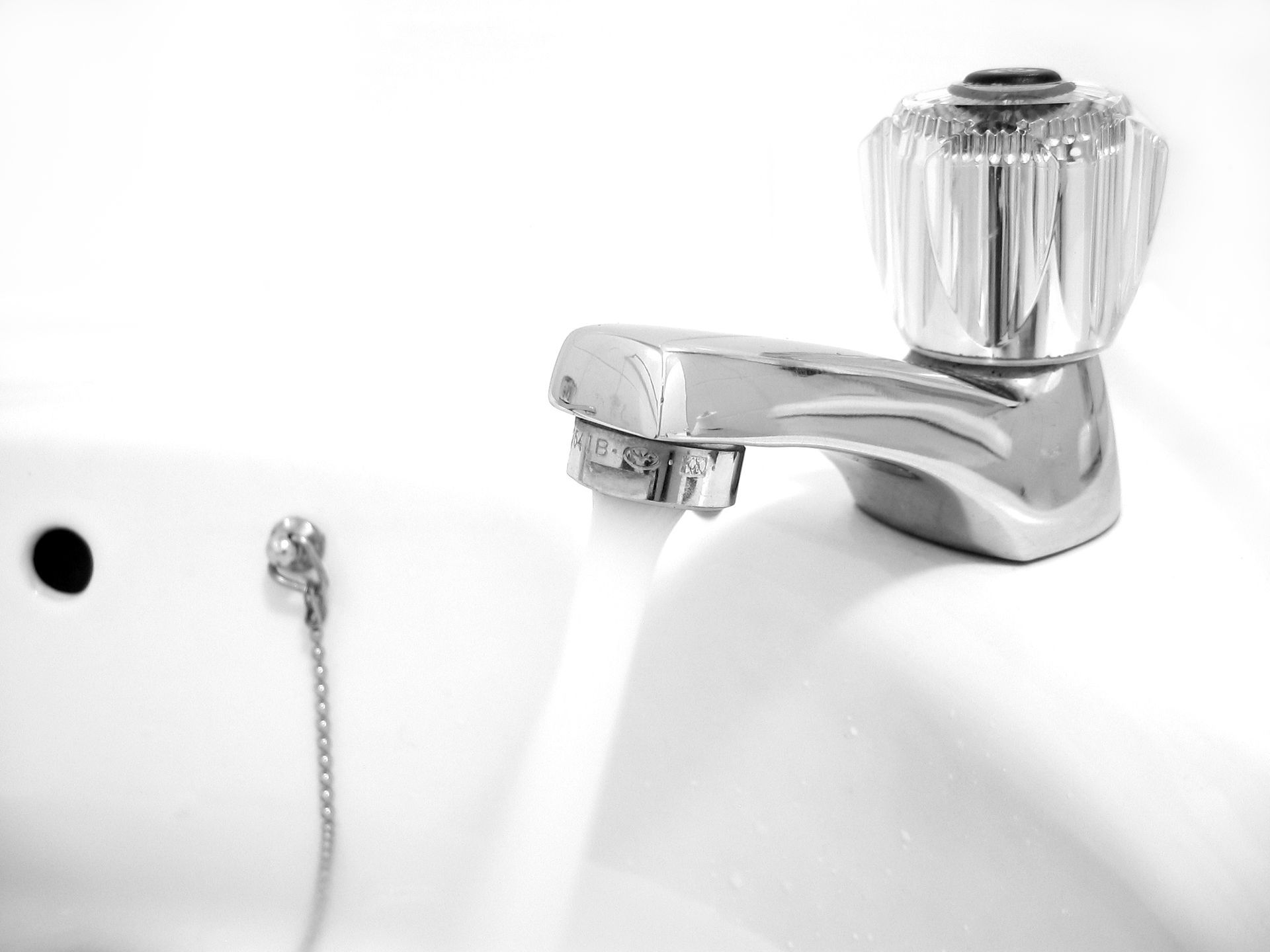
You turn the handle all the way closed. The water stops. Then, five seconds later, drip… drip… drip. It’s easy to shrug off, especially if it eventually stops.
But a faucet dripping after shut off isn’t harmless.
It’s a sign that internal components are worn, misaligned, or failing and in South Florida, those issues progress faster than most homeowners expect.
Let’s break down why that last drip happens, what it means inside the faucet, and when a simple fix prevents a bigger problem.
1. What “After Shut Off” Dripping Actually Means
This isn’t a faucet left slightly open. A drip after shut off usually means:
- water is leaking past an internal seal
- pressure is forcing water through worn components
- the valve can’t fully seat anymore
In other words, the faucet is closed, but not sealed.
2. Worn Washers (Common in Older Faucets)
Compression-style faucets rely on rubber washers to stop water flow.
Over time, washers:
- harden
- crack
- flatten
- lose elasticity
When that happens, water sneaks past even after the handle is closed, causing a delayed drip.
This is especially common in older South Florida homes.
3. Cartridge or Ceramic Disc Wear
Modern faucets often use cartridges or ceramic discs.
When these components wear or get mineral buildup:
- they don’t align perfectly
- micro-gaps remain
- pressure forces water through
The result? A slow, persistent drip after shut off.
4. Mineral Buildup (Accelerated in South Florida)
South Florida’s mineral-heavy water leaves scale behind.
Mineral deposits:
- prevent tight seals
- scratch internal surfaces
- interfere with valve seating
Even a high-quality faucet will drip once minerals build up enough.
5. High Water Pressure Makes Dripping Worse
If your home’s water pressure is high, it pushes harder against worn seals.
This causes:
- delayed dripping
- faster wear of faucet internals
- repeated failures even after DIY fixes
Many homes here operate above recommended pressure without realizing it.
6. Why the Drip Sometimes Stops (Then Comes Back)
You might notice:
- dripping right after shut off
- then it stops
- then returns days or weeks later
That’s because:
- pressure fluctuates
- seals temporarily reseat
- wear continues underneath
Intermittent dripping is still a failure, just an early one.
7. How Much Water a “Small Drip” Wastes
One drip per second can waste:
- 3,000+ gallons per year
- hundreds of dollars over time
- treated drinking water unnecessarily
Multiply that by multiple faucets, and the cost adds up fast.
8. DIY Fixes That Sometimes Work (Short-Term)
You can try:
✔ tightening the handle gently
✔ cleaning mineral buildup at the aerator
✔ checking for loose handle screws
If dripping persists, the issue is internal, and tightening won’t solve it.
9. Why Ignoring the Drip Causes Bigger Problems
A dripping faucet can lead to:
- corrosion inside the faucet body
- damage to the sink or counter-top
- mold growth under sinks
- higher water bills
- premature faucet failure
What starts as a drip often ends as a replacement.
10. When Replacement Makes More Sense Than Repair
Repair may not be worth it if:
- the faucet is very old
- parts are discontinued
- corrosion is present
- multiple repairs have failed
- water pressure issues exist
Modern faucets are more efficient and durable when properly installed.
11. What We Do (Professional Diagnosis & Fix)
At Leading Plumbing Services, we:
- identify the exact faucet type
- inspect internal components
- replace worn washers or cartridges
- descale mineral buildup
- test and adjust water pressure
- recommend repair vs replacement honestly
- ensure a true, drip-free shutoff
We fix the cause, not just the symptom.
12. Prevention Tips
To prevent future dripping:
✔ address minor drips early
✔ avoid overtightening handles
✔ maintain proper water pressure
✔ descale fixtures periodically
✔ replace aging faucets proactively
Small maintenance steps extend fixture life significantly.
South Florida Homeowner Reality
In South Florida, a faucet dripping after shut off is often accelerated by minerals and pressure, not poor quality.
Waiting usually turns a simple repair into a full replacement.
Final Thoughts
If your faucet drips after you shut it off, it’s telling you something inside isn’t sealing anymore.
Fixing it early saves water, money, and frustration, and keeps small problems from becoming big ones.
Call/Text us today for faucet repair or replacement:
(561) 506-6159