

Water Pooling Around the Base of Your Toilet? What That Ring of Moisture Means
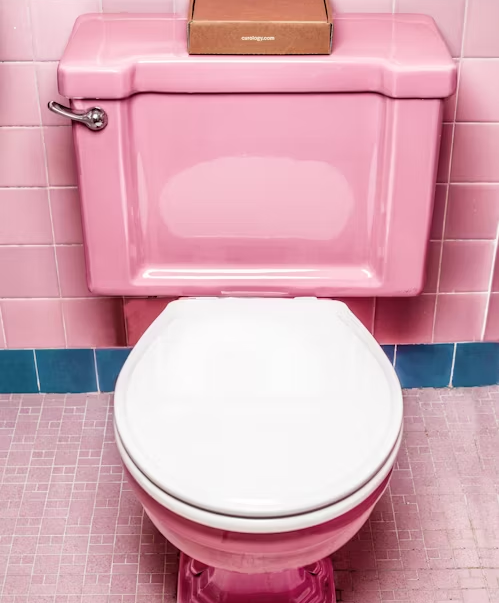
At first, it looks harmless ,a thin ring of water around the toilet base. You wipe it up, it disappears, and for a moment everything seems fine. Then it comes back.
When you see water pooling around the base of a toilet, it’s almost never condensation and rarely something that “just dries up.” It’s usually a sign that water is escaping from where it absolutely shouldn’t, beneath the toilet, inside the floor system.
In South Florida homes, this issue escalates faster than people expect.
1. The Wax Ring Has Failed (Most Common Cause)
Under every toilet is a wax ring that seals the toilet to the drain pipe.
When the wax ring fails:
- water leaks out during flushing
- moisture spreads under the toilet
- water appears at the base
- sewage gases can escape
Wax rings don’t last forever, and once compromised, they cannot reseal themselves.
2. Why Wax Rings Fail in South Florida
Wax ring failures are more common here due to:
- tile floors shifting slightly over time
- humidity softening subfloor materials
- older homes with uneven flanges
- repeated plunging or clogs
- toilets that rock or move
Even minor movement breaks the seal.
3. Cracked Toilet Base
Porcelain toilets can crack , especially at the base.
A hairline crack may:
- leak only when flushed
- seep slowly
- be nearly invisible
- worsen over time
Cracked toilets cannot be repaired safely and must be replaced.
4. Loose Toilet Bolts
If the bolts securing the toilet loosen:
- the toilet shifts
- the wax seal breaks
- leaks form during flushing
This often causes intermittent pooling , one of the most misleading symptoms.
5. Condensation vs a Real Leak
Sometimes homeowners assume condensation.
Here’s the difference:
- Condensation: uniform moisture, dries quickly, no odor
- Leak: pooling water, returns after flushing, may smell musty or foul
If the water returns consistently, it’s not condensation.
6. Why This Is More Serious Than It Looks
Water at the toilet base doesn’t stay on the surface.
It seeps into:
- subflooring
- grout lines
- wood framing
- adjacent rooms
In South Florida’s humidity, this leads to:
- mold growth
- rotting subfloors
- tile loosening
- structural damage
By the time damage is visible, it’s often already advanced.
7. Signs the Problem Is Getting Worse
Call a plumber immediately if you notice:
- soft or spongy flooring
- toilet rocking
- sewage smell
- discoloration around grout
- water after every flush
- recurring moisture even after drying
These indicate active leakage.
8. What You Should Do Right Now
If you see water pooling:
✔ stop flushing the toilet
✔ dry the area and monitor
✔ avoid tightening bolts excessively
✔ do not caulk around the base
✔ schedule an inspection
Caulking traps water and hides damage , it does not fix leaks.
9. Why DIY Fixes Often Fail
Homeowners often try:
- tightening bolts unevenly
- adding caulk
- replacing only surface parts
But if the wax ring or flange is compromised, these fixes delay the inevitable and increase damage underneath.
10. What We Do (Professional Repair)
At Leading Plumbing Services, we:
- remove and reset the toilet properly
- inspect the wax ring and flange
- replace seals with proper materials
- check for subfloor damage
- secure the toilet correctly
- test for leaks before reinstalling
- recommend replacement if cracks are found
We fix the issue at the source , not just what’s visible.
11. When Replacement Is the Safer Option
Replacement is recommended if:
- the toilet base is cracked
- the flange is severely damaged
- repeated wax failures occurred
- subfloor damage is present
- the toilet is very old or unstable
Safety and sanitation always come first.
South Florida Homeowner Reality
In South Florida, water pooling around a toilet base is one of the most common causes of hidden floor damage , because it’s often ignored until it’s too late.
Acting early usually means a simple reset. Waiting often means flooring repairs.
Final Thoughts
If you see water pooling around the base of your toilet, it’s a warning ,not a cleanup issue.
That moisture is telling you the seal below has failed, and the longer it’s ignored, the more damage it causes.
Call/Text us today for toilet leak inspection and repair:
(561) 506-6159