

When Wastewater Has Nowhere to Go, It Comes Back Up
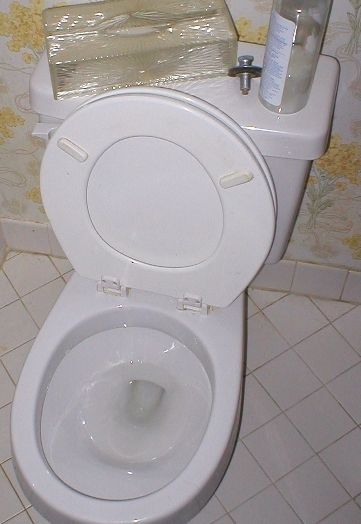
You flush the toilet and it drains slowly.
You notice wet, foul-smelling soil near part of your yard.
Then drains begin backing up inside.
These are not isolated problems.
A septic backup emergency means your septic system can no longer process or disperse wastewater properly. In South Florida, where high groundwater, heavy rain, and sandy soil all affect septic performance, failures can escalate quickly into sanitation and property damage issues.
This guide explains what to do immediately, what causes septic backups, and when this becomes a same-hour emergency.
FIRST: Stop Using All Water Immediately
If you suspect septic failure:
- stop flushing toilets
- stop using sinks, showers, laundry, and dishwashers
- keep people and pets away from wet yard areas
- avoid driving over suspected drain field zones
Every gallon added increases backup pressure.
Signs of a Septic Backup Emergency
Common red flags include:
- multiple drains backing up at once
- gurgling toilets
- sewage smells indoors or outdoors
- standing water near the septic tank or drain field
- unusually lush grass patches over part of the yard
- slow drains throughout the house
If several occur together, assume active septic system failure.
Why Septic Systems Fail in South Florida
1. Saturated Drain Fields
After heavy rain:
- soil becomes waterlogged
- wastewater cannot absorb properly
- effluent rises to the surface
South Florida’s high groundwater makes this especially common.
2. Overfilled or Unpumped Septic Tank
If the tank hasn’t been serviced:
- solids accumulate
- flow becomes restricted
- waste bypasses proper separation
Eventually, backup occurs inside the home.
3. Drain Field Pipe Collapse or Root Intrusion
Underground components can:
- shift in sandy soil
- collapse over time
- become blocked by roots
This prevents wastewater dispersal.
4. Excessive Household Water Use
Simultaneous heavy use (laundry, showers, irrigation) can overwhelm:
- smaller systems
- older tanks
- marginal drain fields
This is common during holidays or storms.
🚫 What NOT to Do During a Septic Backup
❌ Do NOT keep flushing to “clear it”
❌ Do NOT use chemical drain cleaners
❌ Do NOT pump water into the yard
❌ Do NOT ignore standing sewage
❌ Do NOT assume rain alone is the cause
Septic backups worsen with continued water flow.
Health Risks of Septic Failure
Septic backups may expose occupants to:
- bacteria
- parasites
- contaminated groundwater
- hazardous gases
Avoid direct contact with standing water or sewage-contaminated surfaces.
Hidden Damage Septic Backups Cause
Even short septic failures can lead to:
- contaminated flooring
- mold growth
- soil erosion
- structural slab moisture
- recurring backups after rain
Repeated septic stress weakens the entire system.
Why This Escalates Faster in South Florida
South Florida properties are especially vulnerable because:
- high water tables limit drainage
- frequent storms saturate soil
- sandy ground shifts under load
- older septic systems remain common
Here, septic issues rarely stay isolated.
When This Is a SAME-HOUR Emergency
Call an emergency professional immediately if:
- sewage enters the home
- toilets and tubs back up simultaneously
- yard sewage pooling expands
- foul odors intensify
- rain triggers repeat backups
- the system hasn’t been serviced in years
These are active sanitation emergencies.
How Emergency Plumbers Handle Septic Backup Emergencies
At Leading Plumbing Services, emergency response includes:
- identifying system overload vs structural failure
- isolating interior plumbing
- evaluating tank levels and flow
- inspecting drain field behavior
- coordinating pumping or repairs
- preventing recurring pressure backups
We focus on stabilizing the system first, then correcting the cause.
Why Waiting Makes Septic Damage Worse
Homeowners who delay often face:
- indoor sewage contamination
- expensive drain field replacement
- soil instability
- mold remediation
- repeat failures every heavy rain
Early intervention prevents long-term system collapse.
South Florida Emergency Reality
In South Florida, septic backup emergencies are especially common after heavy rainfall or years of deferred maintenance. Many systems function marginally until one event pushes them past capacity.
The first backup is the warning.
Final Emergency Guidance
If sewage is backing up inside or pooling in your yard, stop using water immediately and call a professional. Septic failures are sanitation emergencies, and delay increases contamination risk.
Call/Text Leading Plumbing Services now for 24/7 emergency septic and sewer backup response:
561 506 6159