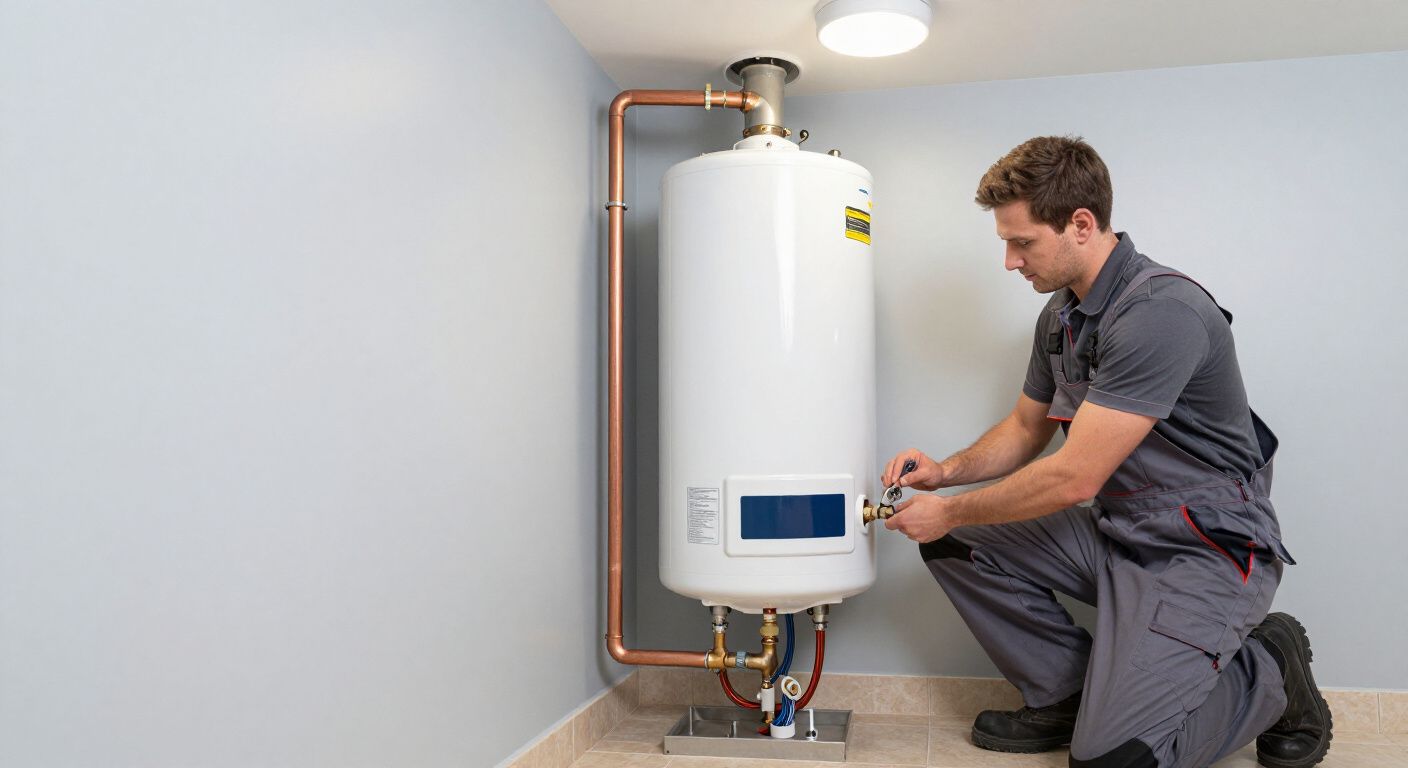


When Water Disappears, or the Yard Starts Flooding, It’s Usually the Main Line
Nathanael Jolteus • February 11, 2026

You turn on the faucet and barely anything comes out.


Or worse, you walk outside and see a section of your yard turning into mud.

These are not small plumbing issues.


A main water line break emergency means the primary pipe delivering water from the meter to your home has failed. This line runs underground, often beneath driveways, landscaping, or slabs , and when it ruptures, damage can escalate quickly and invisibly.


In South Florida, where sandy soil shifts and high pressure is common, underground supply failures are more frequent than most homeowners realize.


This guide explains what to do immediately, what causes main water line breaks, and when this becomes a same-hour emergency.


FIRST: Shut Off the Main Water Supply Immediately

If you suspect a main line break:

  • locate your main shutoff valve (inside or near the meter)

  • turn it fully OFF

  • avoid running any fixtures

  • check if the water meter is spinning rapidly

Stopping the water prevents continued erosion and structural damage.


Signs of a Main Water Line Break

Main supply failures usually show one or more of the following:

  • sudden drop in water pressure everywhere

  • complete loss of water

  • soggy or sunken yard areas

  • unexplained pooling near the driveway or sidewalk

  • water meter spinning fast with all fixtures off

  • spike in water bill

If multiple signs appear at once, assume an active break.


Why Main Water Lines Fail in South Florida

1. Soil Shifting and Erosion

South Florida’s sandy soil:

  • shifts under heavy rain

  • erodes around buried pipes

  • destabilizes underground fittings

When support disappears, pipes crack.


2. High Water Pressure

Excess pressure stresses underground lines continuously.

Over time this leads to:

  • weakened joints

  • fitting separation

  • sudden rupture

Pressure-related failures are extremely common locally.


3. Aging or Corroded Piping

Older homes may have:

  • galvanized steel

  • aging copper

  • early-generation PVC

These materials deteriorate underground, often without warning.


4. Root Intrusion

Tree roots seek moisture.

If a tiny crack forms, roots can:

  • infiltrate the pipe

  • widen the break

  • accelerate failure


🚫 What NOT to Do During a Main Line Break


❌ Do NOT keep the water running

❌ Do NOT ignore yard flooding

❌ Do NOT assume it’s irrigation

❌ Do NOT wait for pressure to return

❌ Do NOT attempt DIY excavation


Underground leaks worsen quickly and unpredictably.


Hidden Damage Main Line Breaks Cause

Even if water is only visible outside, underground breaks can lead to:

  • slab foundation erosion

  • driveway settling or cracking

  • landscaping collapse

  • sinkholes forming

  • water entering the home from below

The longer water runs, the greater the structural risk.


Why This Escalates Faster in South Florida

South Florida properties are especially vulnerable because:

  • sandy soil erodes rapidly

  • groundwater levels are high

  • slab foundations conceal early damage

  • year-round pressure use stresses lines

Here, a small underground leak can destabilize soil quickly.


When This Is a SAME-HOUR Emergency

Call an emergency plumber immediately if:

  • water pressure drops suddenly everywhere

  • water is pooling rapidly in the yard

  • the meter spins rapidly with fixtures off

  • you hear rushing water underground

  • the ground near the foundation softens

  • the home has older plumbing

These indicate active underground failure.


How Emergency Plumbers Handle Main Water Line Breaks

At Leading Plumbing Services, emergency response includes:

  • confirming the leak location

  • isolating the damaged section

  • minimizing excavation

  • repairing or replacing the failed line

  • pressure testing the system

  • restoring stable, safe water supply

We focus on containment, structural protection, and long-term durability.


Why Waiting Makes Repairs More Expensive

Homeowners who delay often face:

  • larger excavation areas

  • foundation instability

  • driveway or patio damage

  • mold from sub-slab moisture

  • significantly higher water bills

Repairing a break early is controlled. Repairing structural damage is not.


South Florida Emergency Reality

In South Florida, main water line break emergencies are one of the leading causes of sudden pressure loss and yard flooding. Many begin with subtle signs that escalate within hours.


Water disappearing, or pooling where it shouldn’t,  is never random.


Final Emergency Guidance


If your water pressure suddenly drops or your yard becomes saturated without explanation, shut off the main water supply and call a professional immediately. Underground breaks don’t fix themselves, and erosion worsens by the minute.


Call/Text Leading Plumbing Services now for 24/7 emergency main water line repair:


561 506 6159

By Nathanael Jolteus September 5, 2026
You reach under the sink for something and notice a puddle. Then you see it: water collecting around the small shutoff valve coming out of the wall. It may only be dripping now, but a leaking shutoff valve, also called an angle stop, deserves attention because it's connected directly to your home's pressurized water supply. Here's what to do. FIRST: Figure Out How Serious the Leak Is A few drops around the valve stem is different from water spraying from the connection. If it's actively spraying or the leak is getting worse: -Stop using the fixture. -Put a container or towels underneath if safe. -Don't repeatedly open and close an old or corroded valve. -Shut off the home's main water supply if you cannot control the leak locally. If water is reaching an electrical outlet or appliance, keep away from affected area and address the electrical hazard safely. WHY Do Shutoff Valves Start Leaking? These valves can sit untouched for years. Then one day they're operated and suddenly begin dripping. Possible causes include: A worn valve stem or seal. Internal components deteriorate with age. A leaking connection. Water may be escaping where the valve connects to the supply pipe or fixture supply line. Corrosion. An older valve or connection can weaken enough to begin leaking. A failing supply line nearby. Sometimes the valve isn't actually the source. Water from the flexible supply line above it runs downward and makes the valve appear responsible. That last possbility is why finding the exact leak point matters. When Is This an Emergency? Call a plumber promptly if: -water is spraying instead of dripping -the valve won't completely shut off; - the valve looks heavily corroded; -the leak suddenly becomes worse; -the wall or cabinet is getting wet; -the connected supply line is bulging or damaged; or - you can't stop the water A slow drip may not require a middle-of-the-night response, but it shouldn't be forgotten either. Water leaking inside a cabinet can damage wood, drywall and flooring before the problem looks serious from the outside. DON'T DO THIS If an old valve feels stuck, don't put excessive force on it with pliers. The goal is to stop a leak, not turn an aging valve or connection into a broken pressurized line. If you're unsure, isolate the home's water supply and have the valve inspected. A Small Part Can Still Cause a Big Mess Shutoff Valves are easy to overlook because they're small. But they're also supposed to be your first line of defense when a toilet, faucet or appliance develops a leak. If the shutoff itself doesn't work when you need it, you lose that protection. That's a good reason to repair a leaking or unreliable valve before the next plumbing problem happens. Need a Plumber for a Leaking Shutoff Valve in South Florida? Leading Plumbing Services can identify whether the leak is coming from the valve, connection or supply line and repair the actual source. Call or text Leading Plumbing Services @ 561 506 6159 If water is actively escaping and the fixture valve won't stop it, shut off the main water supply if you can safely do so and get plumbing help as soon as possible. Author: Nathanael Jolteus
By Nathanael Jolteus September 4, 2026
You turn the shower handle to OFF. The water keeps running. You try it again. Nothing. Ugh so annoying. If your shower won't turn off, don't keep forcing the handle. A failed cartridge, valve , or internal component may be preventing the water from shutting off, and a small repair can become a much bigger problem if something breaks behind the wall. Here's what to do. FIRST: STOP the Water If the shower is running normally into an open drain, you have a little time. But you still want to stop the flow as soon as possible. If you know where your home's main water shut off valve is, turn it off. Then: - Keep the shower drain clear -Move anything that could block the drain. -Don't remove the shower handle or valve while the water is still on. -Don't force a stuck handle with tools. If water is escaping outside the shower or entering a wall, treat it as an active plumbing emergency. Why Won't the Shower Shut OFF? Usually , the problem is inside the shower valve. Common possibilities include: A failed cartridge. The cartridge controls water flow and temperature. When it wears out or breaks, turning the handle may no longer stop the water. A damage valve stem or internal component. The handle can move normally while the parts behind it no longer respond correctly. Mineral buildup. Deposits can interfere with moving components and make an aging valve harder to operate. A broken handle connection. Sometimes the handle turns, but it isn't actually moving the valve mechanism behind the wall. The important part: don't assume you need to replace the entire shower valve until the problem has been properly diagnosed. When Should You Call an Emergency Plumber? Get help quickly if: - the shower is running at full flow and won't stop - the main shutoff doesn't work; -the water is leaking from behind the handle or wall; - the shower is overflowing because the drain can't keep up; -you hear water running inside the wall; or - shutting off the shower affects the rest of the plumbing unexpectedly. If the water is safely draining, you may have time to arrange a repair, but leaving the shower running wastes water and puts unnecessary stress on the situation. ONE Mistake to Avoid Don't start taking the valve apart while the plumbing is pressurized. Removing the wrong component with the water supply is still on can turn a shower that won't shut off into water spraying directly from the wall. Get the water isolated first. Diagnose second. Need Help With a Shower That Won't Turn Off in South Florida? A shower that keep running is frustrating, but the solution may be relatively straightforward when it's handled before additional damage occurs. Leading Plumbing Services LLC can diagnose the valve, determine what actually failed, and make the appropriate repair. Call or text Leading Plumbing Services: 561 506 6159 If water is actively escaping into the bathroom, wall or surrounding rooms, shut off the home's water supply if you can safely do so and get plumbing help right away. Author: Nathanael Jolteus