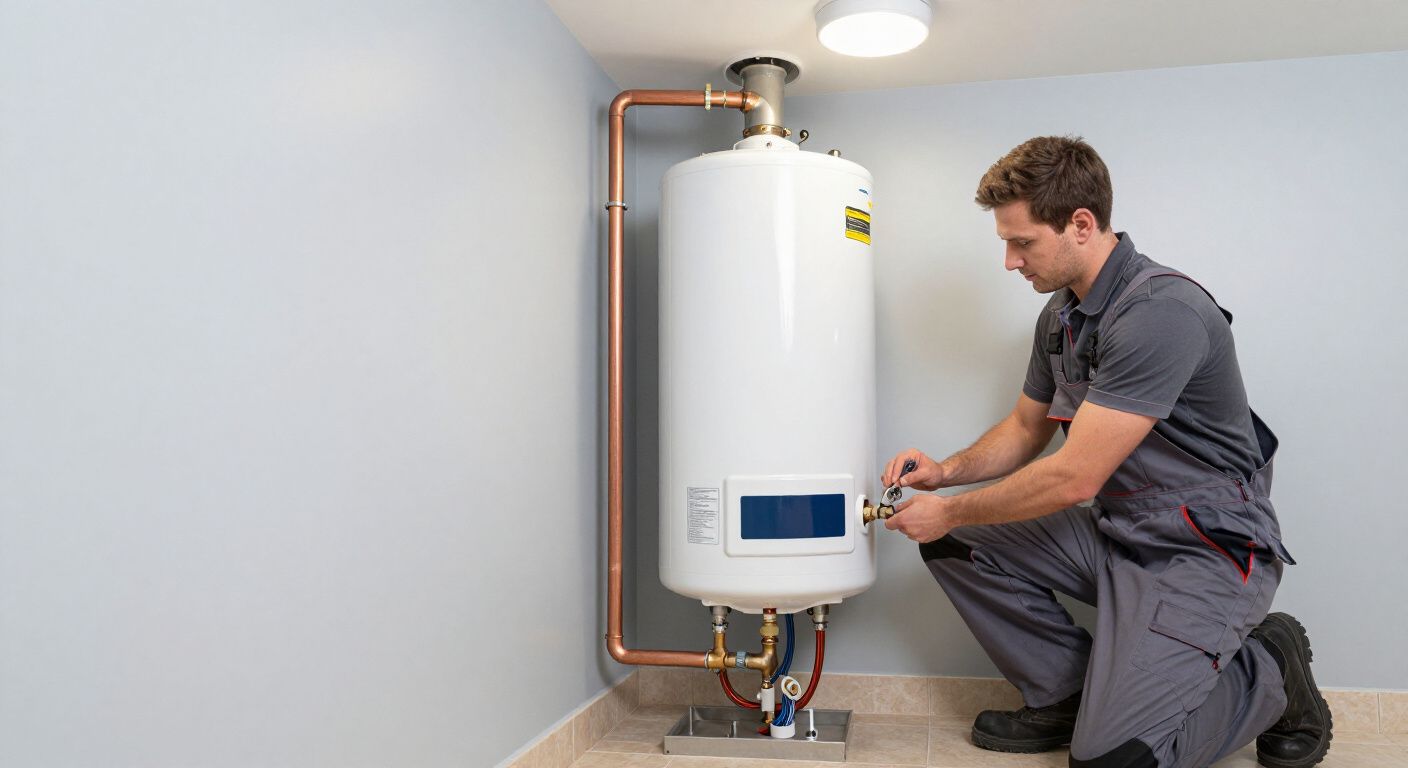


Water Heater Making a Popping Noise? What That Sound Means for Your Home
If your water heater is making a popping noise, banging, or rumbling sound, it’s not just normal operation , it’s a warning sign coming from inside the tank.
In South Florida, this issue is extremely common due to mineral-heavy water and sediment buildup that accelerates wear inside water heaters. Ignoring the noise often leads to reduced efficiency, higher bills, leaks, or full tank failure.
Let’s break down exactly what’s happening and why it matters.
1. The Popping Noise Is Caused by Sediment Buildup
The most common cause of popping or rumbling sounds is sediment buildup at the bottom of the tank.
Over time:
- minerals settle at the base
- sediment hardens into a thick layer
- heating elements or burners heat the sediment
- trapped water turns to steam
- steam bubbles escape suddenly
That sudden release causes the popping or banging sound.
2. Why This Happens Faster in South Florida
South Florida water contains high mineral content.
This causes:
- faster sediment accumulation
- thicker buildup at the tank bottom
- overheating in localized areas
- accelerated tank wear
Many Florida water heaters develop sediment problems years earlier than expected.
3. Popping Noise = Reduced Efficiency
When sediment builds up:
- heat can’t transfer efficiently
- the heater works harder
- hot water takes longer
- energy usage increases
That noise usually comes with higher utility bills and inconsistent hot water.
4. Long-Term Damage Sediment Causes
Ignoring sediment buildup can lead to:
- cracked tank lining
- overheated heating elements
- premature tank corrosion
- leaks at the bottom of the heater
- total tank failure
Once the tank itself is damaged, replacement is the only option.
5. Gas vs Electric Water Heaters
- Gas heaters: popping comes from burner heating sediment
- Electric heaters: popping comes from heating elements buried in mineral scale
Both types suffer damage when sediment is left unchecked.
6. When the Noise Gets Louder Over Time
A noise that increases means:
- sediment layer is growing
- overheating is worsening
- internal stress is increasing
Louder noise = less time before failure.
7. Is a Popping Water Heater Dangerous?
Usually it’s not an immediate explosion risk , but it can become dangerous if ignored.
Risks include:
- sudden tank rupture
- leaking hot water
- flooding
- scalding hazards
- damage to nearby property
It’s a problem that escalates quietly.
8. DIY Fixes That Don’t Work
Homeowners often try:
- turning temperature down
- ignoring the noise
- draining a small amount of water
Partial draining doesn’t remove hardened sediment and rarely solves the problem.
9. When a Flush Can Help
If the heater is:
- relatively new
- not leaking
- not heavily corroded
A professional flush can remove sediment and stop the noise.
However, flushing an old, weakened tank can sometimes reveal leaks , which means replacement is near anyway.
10. Signs Replacement Is the Better Option
Replacement is usually recommended if:
- heater is 8–12 years old
- popping is loud and constant
- tank shows rust
- water heater leaks
- hot water quality is poor
- energy bills increased suddenly
At this stage, repairs are often temporary.
11. What We Do (Professional Service)
At Leading Plumbing Services, we:
- inspect water heater condition
- identify sediment severity
- safely flush tanks when appropriate
- test heating elements or burners
- inspect tank integrity
- recommend repair vs replacement honestly
- install high-efficiency replacements if needed
We focus on safety and long-term value.
12. How to Prevent Popping in the Future
✔ flush water heater annually
✔ install a water softening solution if needed
✔ replace anode rods regularly
✔ address noise early
✔ avoid overheating settings
Preventive maintenance can add years to heater life.
South Florida Homeowner Reality
In South Florida, a water heater making popping noise is almost always caused by sediment buildup , and it’s one of the clearest early warnings before leaks and tank failure occur.
Ignoring it usually means replacing the heater sooner than planned.
Final Thoughts
If your water heater is making popping noises, it’s telling you sediment has taken over the bottom of the tank.
Addressing it early can save money, improve efficiency, and prevent flooding.
Call/Text us today for water heater inspection, flushing, or replacement:
(561) 506-6159