

Water Pressure Suddenly Dropped? Here’s What It Means and What to Check First
If your water pressure suddenly dropped throughout your home, that’s not normal , and it’s rarely caused by the city supply alone.
Sudden pressure loss usually means something in your plumbing system has failed or is actively failing right now.
In South Florida, pressure drops are often tied to hidden leaks, aging pipes, valve failures, or slab leaks that escalate quickly if ignored.
Let’s break down the most likely causes, from most urgent to least.
1. Hidden Pipe Leak (Most Serious Cause)
A sudden drop in pressure is one of the earliest signs of a hidden pipe leak.
When water escapes from a pipe:
- less water reaches fixtures
- pressure drops instantly
- water may be leaking inside walls or under the slab
If pressure dropped overnight or suddenly mid-day, a leak is very likely.
2. Slab Leak Under the Foundation
Slab leaks cause pressure drops because water is escaping before it reaches the house.
Common slab leak indicators:
- sudden pressure loss
- warm spots on flooring
- sound of running water when off
- rising water bill
Slab leaks are extremely common in South Florida homes with older copper piping.
3. Failing Pressure Reducing Valve (PRV)
Many homes have a PRV that regulates incoming water pressure.
When a PRV fails:
- pressure can suddenly drop
- flow becomes inconsistent
- fixtures may sputter
PRVs wear out over time and often fail without warning.
4. Main Shutoff Valve Partially Closed or Failing
The main water shutoff valve can:
- corrode internally
- partially close
- restrict flow suddenly
This is especially common with older gate-style valves found in many Florida homes.
5. Pipe Corrosion or Internal Collapse
Older pipes (especially galvanized or cast iron) can corrode internally.
When corrosion flakes off:
- pipe diameter narrows
- flow drops suddenly
- debris blocks water movement
This can affect the entire home or specific sections.
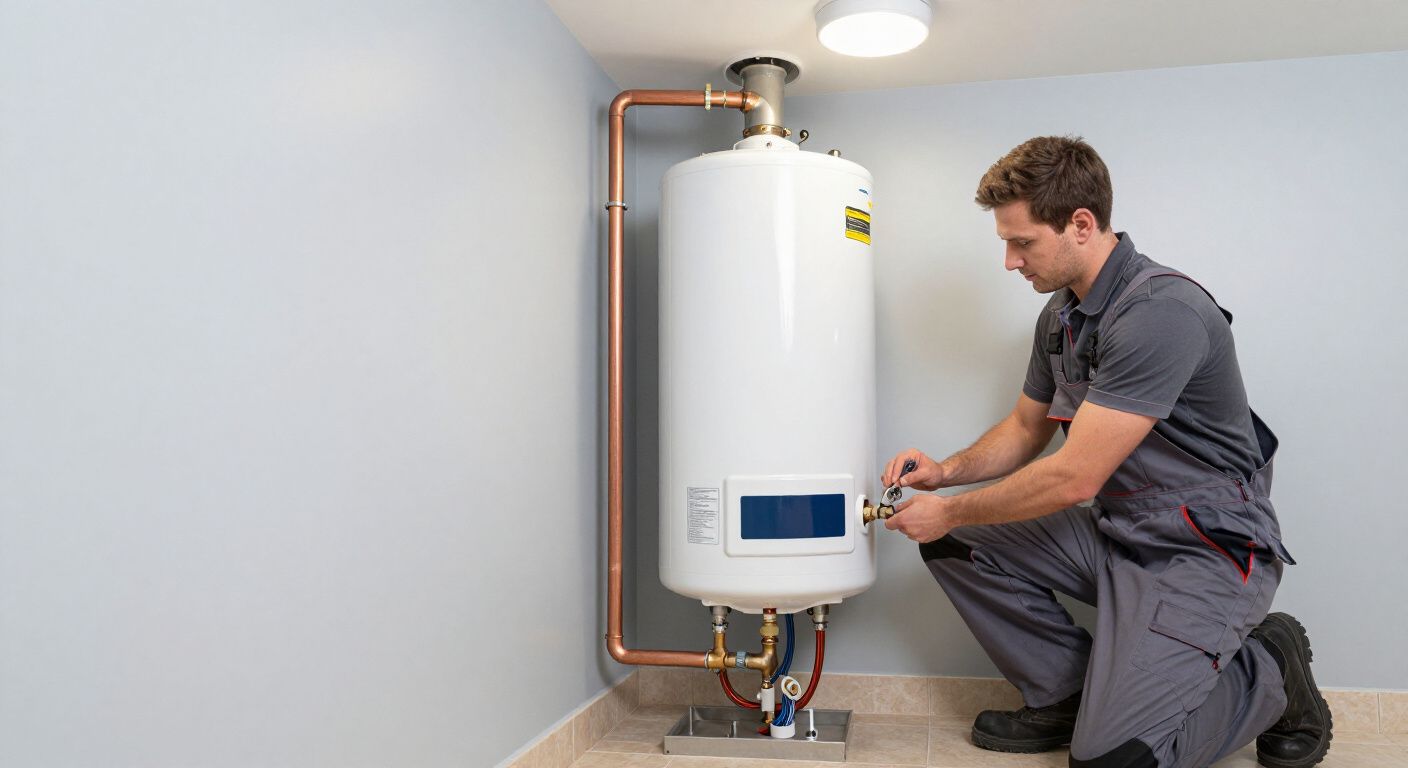
6. Water Heater or Hot-Water-Side Pressure Drop
If pressure dropped mainly on the hot water side, the issue may be:
- sediment clogging the water heater
- failing dip tube
- internal heater restriction
Testing hot vs cold pressure helps narrow the cause.
7. City Supply Issues (Least Common, But Possible)
Municipal issues do happen, but they’re far less common than homeowners assume.
If:
- neighbors have normal pressure
- the issue persists for hours
- no notice was given
…the problem is likely inside your home.
8. DIY Checks You Can Do Immediately
✔ test multiple fixtures
✔ check hot vs cold pressure
✔ inspect the main shutoff valve
✔ listen for water sounds when off
✔ check the water meter for movement
If the meter moves when everything is off → you have a leak.
9. Why Sudden Pressure Drops Shouldn’t Be Ignored
Ignoring pressure loss can lead to:
- worsening leaks
- wall or slab damage
- mold growth
- pipe bursts
- emergency repairs
Pressure loss is often the first warning, not the last.
10. When to Call a Plumber Immediately
Call a professional if:
- pressure dropped suddenly
- pressure is low everywhere
- you hear water when off
- water bill rises
- damp spots appear
- warm floors are present
These signs point to active system failure.
11. What We Do (Professional Diagnosis)
At Leading Plumbing Services, we:
- test system pressure
- inspect shutoff valves and PRVs
- locate hidden leaks
- perform leak detection
- inspect slab and wall piping
- isolate and repair the issue
- restore proper pressure safely
We don’t guess , we diagnose.
12. South Florida Homeowner Reality
In South Florida, a sudden water pressure drop is often tied to:
- aging plumbing
- mineral corrosion
- slab construction
- high water pressure stress
- shifting sandy soil
Waiting usually makes the repair more expensive.
Final Thoughts
If your water pressure suddenly dropped, your plumbing system is telling you something has changed , and it needs attention.
Catching the cause early can prevent:
- major water damage
- foundation issues
- mold remediation
- emergency pipe failures
Call/Text us today for immediate water pressure and leak diagnostics:
(561) 506-6159